Arius Technology: Fine Art Preservation & Digital Innovation
How Arius is using sub-micron 3D scanning and Arctic permafrost to preserve the physical truth of fine art for centuries.
This October, a quiet convergence of optical laser engineering and polar storage will offer a new opportunity for cultural resilience. Deep inside a decommissioned coal mine in the demilitarized permafrost of Svalbard, Norway, Arius is preparing to deposit ultra-high-resolution Art Digital Master Files (ADMFs) into the Arctic World Archive (AWA).
This pioneering move comes as physical masterpieces across museums, private galleries, and heritage sites face growing threats from humidity shifts, natural disasters, geopolitical conflict, and natural material decay. Every painting carries stories told by its surface color, the physical footprint of its creation, the height of an impasto peak, the stress cracks in old varnish, and the distinct pressure of an artist’s brush. Using world-leading technology, we want to preserve and protect the world’s cultural heritage like never before.
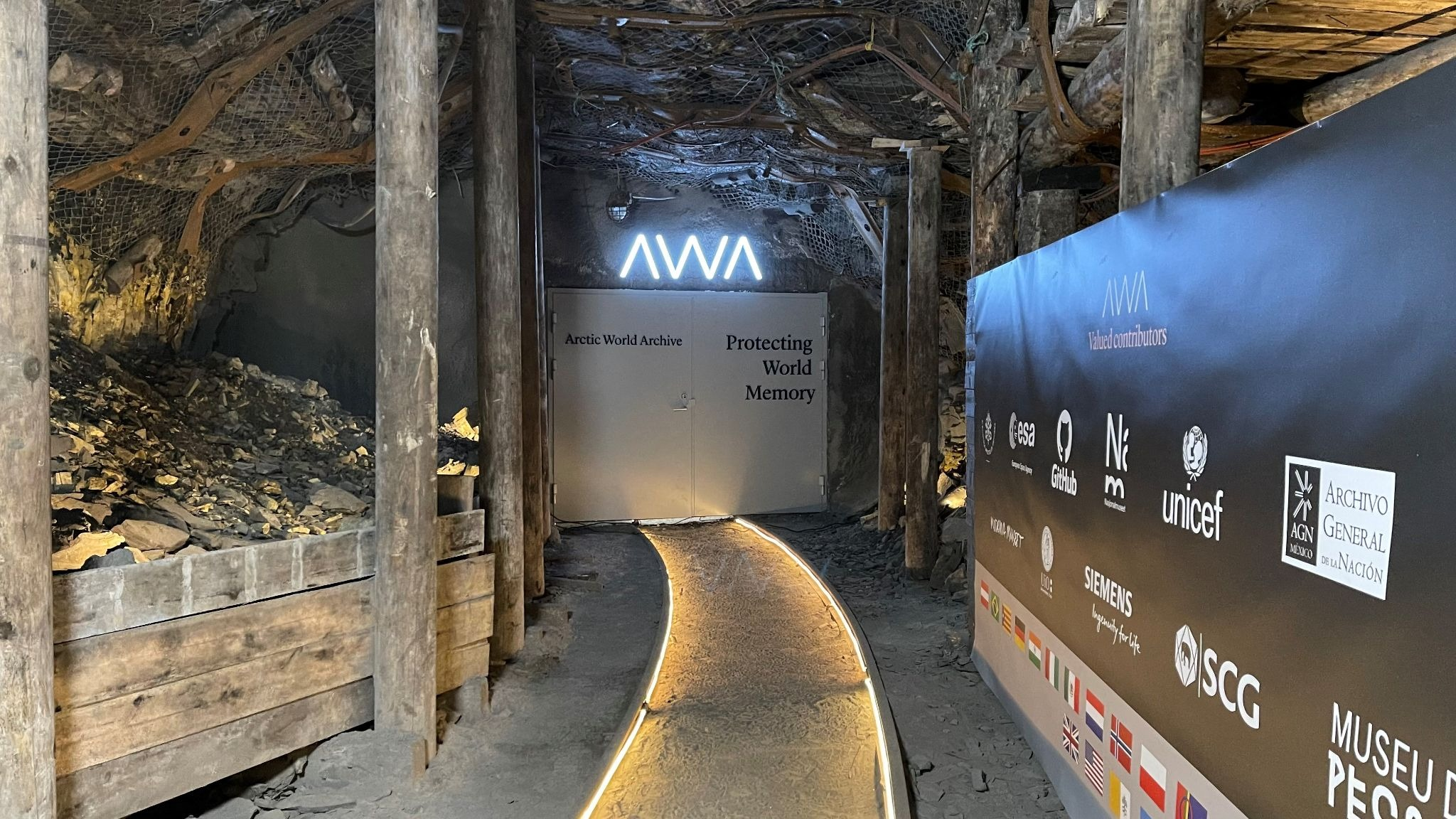
Arctic World Archive Main Entrance in Svalbard
Capturing the True Topography of Fine Art
Traditional digital archiving relies on flat, high-resolution photography, capturing color while losing the three-dimensional geometry of an object. Arius takes a radically different approach. Using their fully mobile, proprietary, non-contact 3D laser scanning, Arius’ revolutionary new scanner “Moneta” measures canvas and panel surfaces at a sub-micron scale, in any location, under any lighting conditions.
The resulting "Art Digital Master File" acts as a digital twin of an artwork. By mapping the exact color, geometry, and surface elevation down to 10 microns (one hundredth of a millimeter), each Arius scan safely captures the physical truth of an artwork without ever touching its surface. While Arius ADMF™ data is digitally stored with the most stringent security protocols, this partnership presents the ultimate solution for protecting the world’s most precious assets.
When transferred to the Piql’s specialized, light-sensitive silver-halide ‘PiqlFilm’, Arius’ sub-micron data is rendered immutable. Stored hundreds of meters inside the Arctic permafrost, the AWA archives require no electricity to remain stable and are protected from cyber threats, electromagnetic pulses, and extreme environmental fluctuations for over 1,000 years.
A Global Imperative for Cultural Protection
The initiative comes at a moment when cultural institutions worldwide are re-evaluating how to safeguard irreplaceable assets against rapid environmental shifts and unpredictable regional instability.
"Cultural preservation can no longer rely solely on physical walls and climate-controlled galleries," says Marco Antonio Soriano, CEO of Arius Europe. "In an increasingly unpredictable world, backing up human creativity requires structural precision. By pairing our sub-micron scanning capabilities with the absolute security of Svalbard’s permafrost, we are giving fine art an unalterable digital refuge. It ensures that no matter what transpires on the surface, the physical truth of global heritage remains protected for centuries."
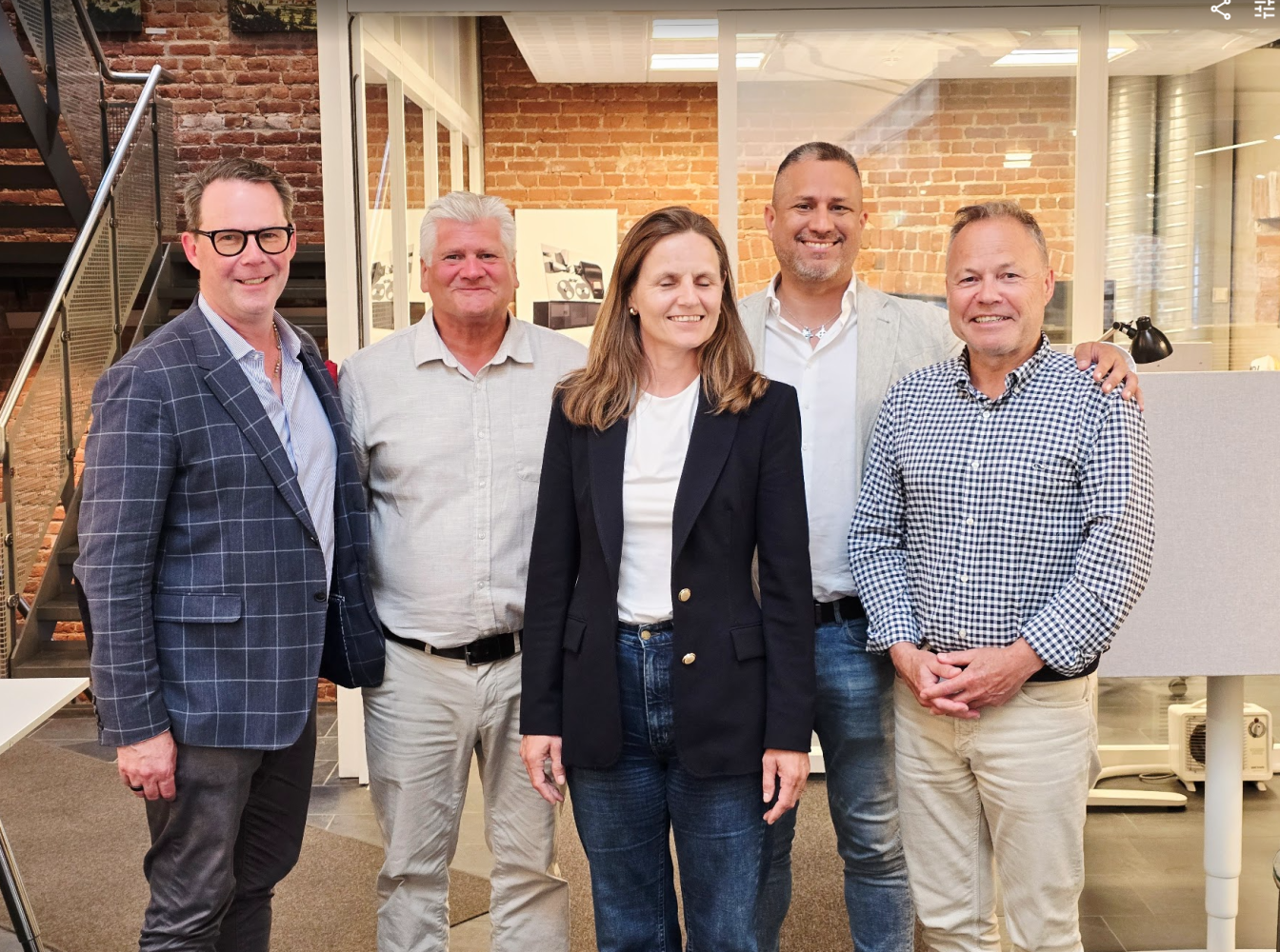
Arius Chief Revenue Officer, Patrick Bruce-Lockhart (left) and CEO of Arius EU, Marco Antonio Soriano (back right) meeting the AWA Leadership team in Norway: Rune Bjerkestrand (right), Katrine Loen (middle) and Bendik Bryde (left).
Restorative Precision for the Future
Beyond catastrophe insurance, the integration of sub-micron scan data into long-term polar storage opens practical applications for conservation and art historical research:
Sub-Micron Topography: Documents paint layers, craquelure patterns, and surface relief in absolute structural detail, providing an undeniable record of authenticity and physical condition.
Absolute Geopolitical Security: Stored in an unhackable, offline facility within a neutral international territory, data remains completely isolated from digital warfare and systemic power failures.
Diagnostic & Restorative Utility: Provides future conservators, curators, and researchers with precise structural data to monitor physical degradation over time or assist in high-fidelity restoration efforts.
As fine art shifts into an era of physical objects requiring permanent digital backups, Arius’ upcoming Arctic deposit establishes a concrete standard: preserving not just how art looks, but the stories it holds and the way it was created.
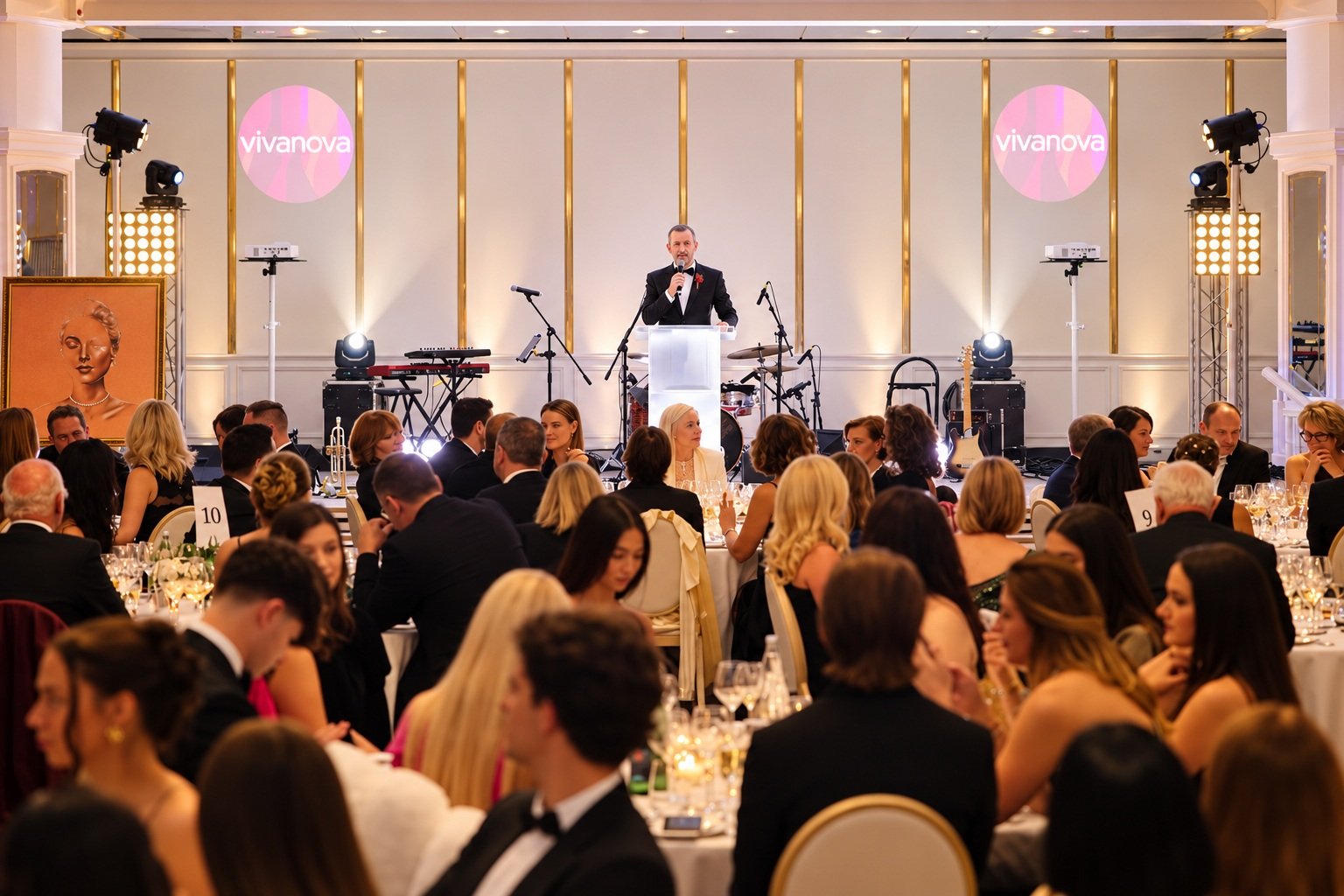
From Svalbard to Monaco: Meet Arius Pioneers at the Club Vivanova Gala
Following the historic Arctic deposit, members of the Arius executive team will attend the Club Vivanova Royal Charity Gala in November. This special event is held under the High Patronage and Presence of H.S.H. Princess Stéphanie of Monaco, who is known for her patronage and love of the arts, and supports two remarkable Monegasque charities: Fight Aids Monaco and Écoute Cancer Réconfort.
We’re honored to support such causes and attend the special gala, which also offers an exclusive opportunity for collectors, cultural leaders, and Club Vivanova members to meet the Arius leadership team. Attendees will gain first-hand insight into Arius' groundbreaking 3D laser technology, explore the future of fine art digital preservation, and discover how sub-micron scanning is transforming both art conservation and luxury asset stewardship.
Learn more about the gala and purchase tickets from Club Vivanova: https://www.clubvivanova-luxurygala.com/