The Price of Luxury: How Much Does a Private Yacht Charter Really Cost?
For anyone considering a luxury yacht charter for the first time, one of the most obvious questions is also one of the hardest to answer: how much does it actually cost?
The short answer is that there is no single price. Yachts vary enormously in size, age, specification, crew, facilities and cruising area, and charter rates reflect those differences. A week on board a smaller, crewed luxury yacht might start at around €30,000–€50,000, while larger superyachts can command €100,000, €250,000, or considerably more per week. At the very top of the market, weekly charter rates can exceed €1 million.
Understanding the headline figure, however, is only the beginning.
What does the charter rate include?
The advertised weekly charter rate generally covers the yacht itself, its equipment and facilities, and the professional crew who look after guests throughout the charter.
That crew is an important part of what you are paying for. Depending on the yacht, it may include a captain, deck crew, interior team, engineers and one or more chefs. From planning a day ashore to preparing dinner around individual preferences, the experience is tailored around the guests on board.
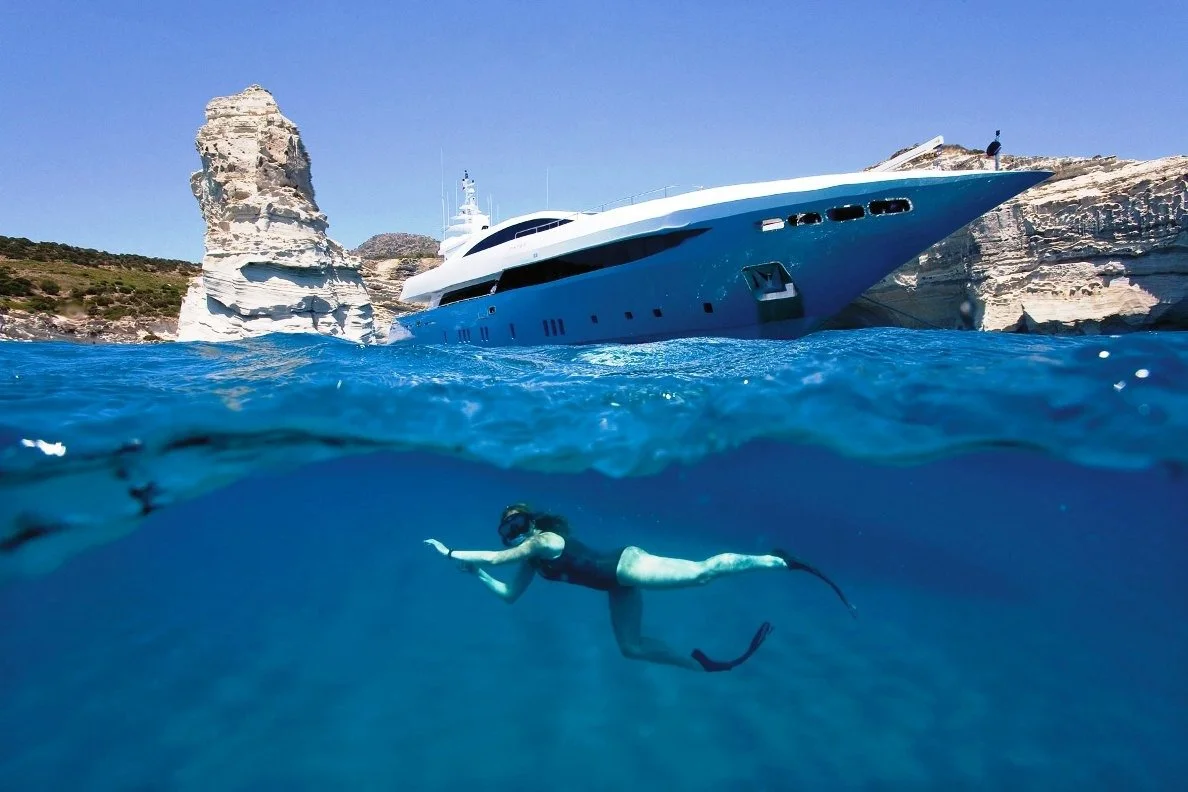
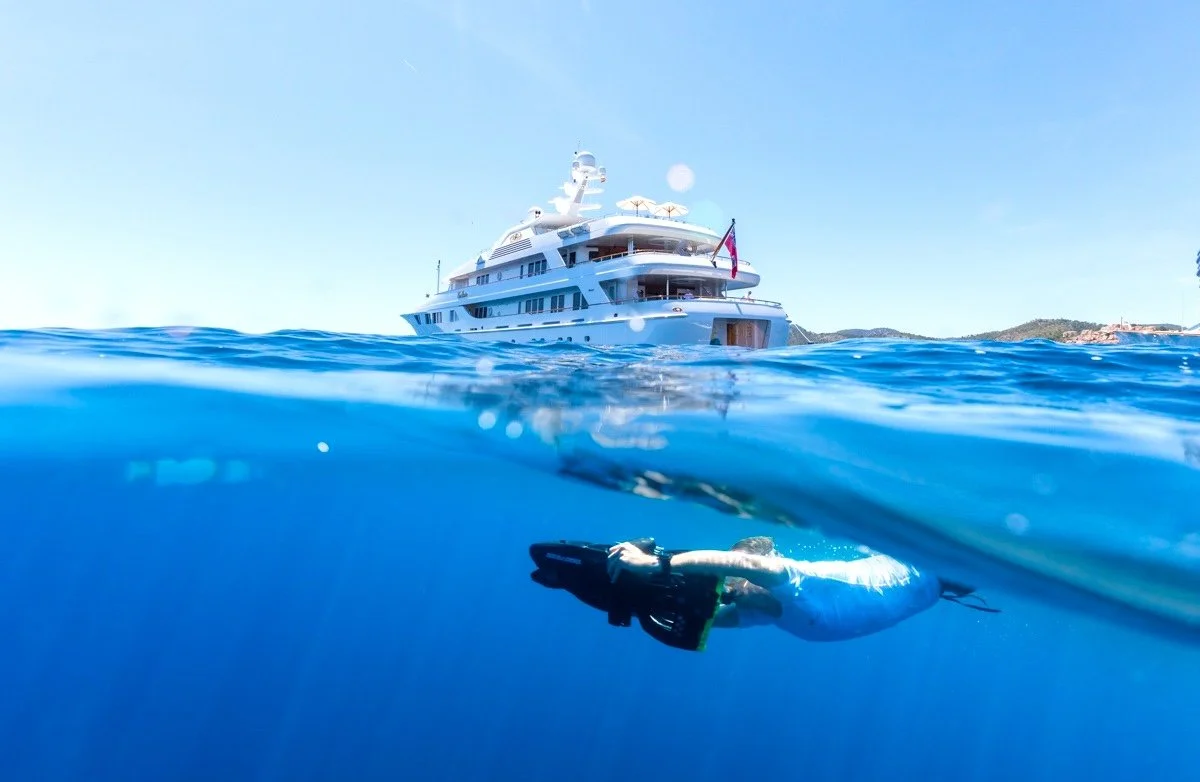
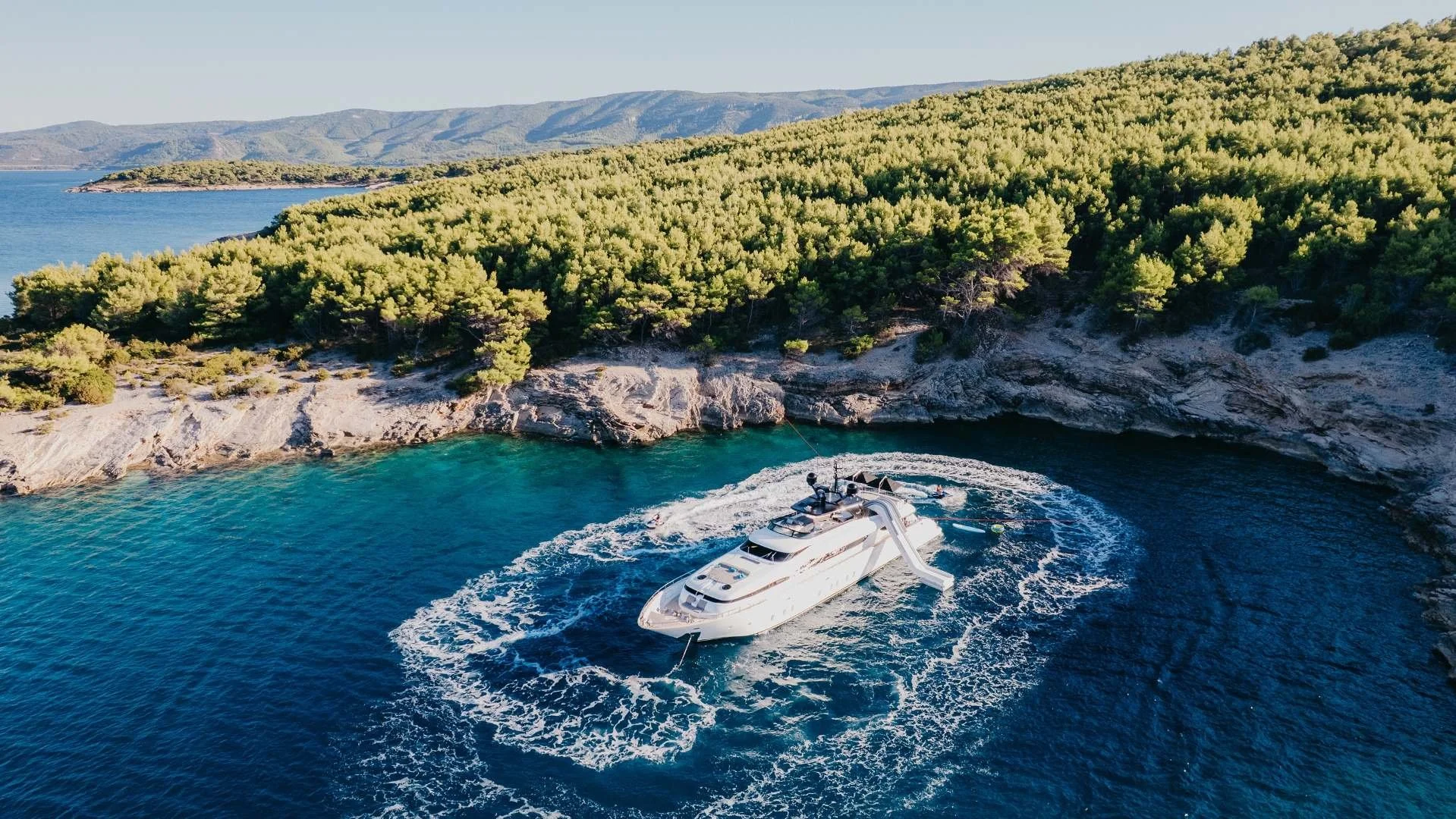
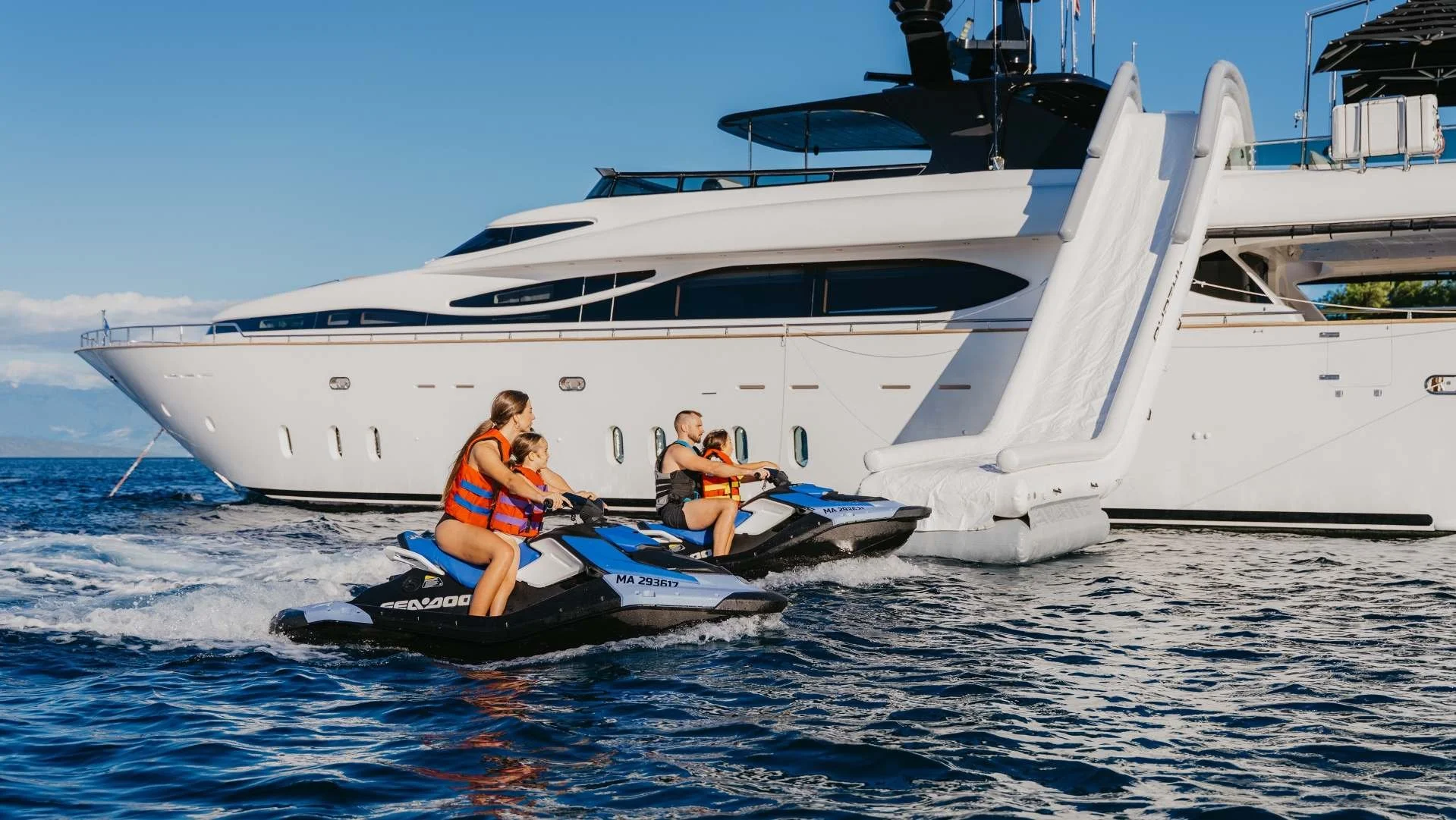
Water toys and leisure equipment are also available to guests, although what is carried varies considerably. Each yacht has its own selection, which might include sea bobs, paddleboards, kayaks, jet skis, e-Foils, diving equipment, inflatable water parks and tenders for exploring ashore.
But the advertised rate is not the total cost of the holiday.
“The headline charter rate only tells part of the story. A good broker will give you a realistic picture of the total cost from the outset, so there are no surprises along the way,” says CharterWorld Founder and Director Reia Stannard.

What costs extra?
Most charters operate with an Advance Provisioning Allowance (APA), usually calculated as a percentage of the charter fee. This creates a fund from which the captain pays the yacht's operating expenses during your trip.
These can include fuel, food and beverages, marina fees, local taxes, communications and other extras requested by guests. The amount spent will depend greatly on how you choose to use the yacht. A charter covering significant distances and spending nights in prestigious marinas will have different operating costs from one travelling shorter distances and spending more time at anchor.
The APA is not an additional fee retained by the yacht. The captain keeps an account of expenditure, with any unused balance returned at the end of the charter and any additional expenditure settled accordingly.
Gratuity for the crew is also separate and discretionary, with customary practices varying between cruising regions.
Taxes and VAT can also apply depending on where the charter takes place, so it is important to understand the complete anticipated cost rather than focusing solely on the advertised weekly rate.
Looking beyond the weekly rate
Comparing yacht charter with a conventional luxury holiday isn't always straightforward. Consider what might be required to create a comparable land-based trip for a family or group of friends: several suites in exceptional hotels, private transfers, restaurant reservations, private chefs or dining, excursions, water sports, boat trips and concierge services. A yacht brings many of these elements together in one private environment, exclusively for your group.
Your accommodation travels with you. There is no packing and unpacking as you move between destinations, no transfers between hotels and no need to plan every meal or activity many weeks in advance. Breakfast might be served on deck before a morning swim, lunch prepared by the chef while the yacht cruises to the next destination, and dinner arranged on board or ashore depending on what everyone feels like doing.
For families and groups travelling together, that combination of privacy, flexibility and personal service is an important part of understanding the value of a charter.
“When you consider the accommodation, private chef, dedicated crew, transport between destinations and experiences all included within one private setting, you begin to understand where the value of a yacht charter lies,” says CharterWorld Senior Broker Trina Howes.
The right yacht isn't necessarily the most expensive
A higher charter rate does not automatically mean a yacht will be better suited to you.
A family travelling with children and young adults may place a premium on spacious decks, water toys and a crew experienced with families. A group of friends might prioritise outdoor entertaining, a large beach club and an exciting cruising itinerary. Others may care most about food, wellness facilities, design or complete privacy.
This is where working with an experienced charter broker becomes particularly valuable. A broker can compare yachts across the market; explain the true costs involved and identify where your budget will have the greatest impact on the experience.
At CharterWorld, the starting point is understanding how you want to spend your time, who you are travelling with and what matters most to you. From there, the yacht, destination and itinerary can be brought together around those priorities.
Because ultimately, the cost of a yacht charter is about considerably more than the price of a yacht for a week. It is the cost of creating a private journey, designed around you, with the freedom to experience some of the world's most extraordinary destinations entirely on your own terms.
Start your luxury yacht charter journey at charterworld.com
Social Media