The World as Your Portfolio: Why International Families Are Turning to Trusts
by NTL Trust
Monaco has long attracted internationally minded individuals and families. Entrepreneurs, investors, executives, and business owners from around the world choose the Principality for its security, stability, connectivity, and exceptional quality of life.
Yet as lives become increasingly international, so do the challenges associated with managing wealth.
A Monaco resident may own a family business in Europe, hold investment accounts in Switzerland, invest in real estate in Greece, maintain interests in the Middle East, and have children studying or living abroad. While such diversification creates opportunities, it also raises an important question:
Who owns everything, and what happens next?
For many high-net-worth families, this is where trusts enter the conversation.
The Challenge of International Wealth
Building wealth and preserving wealth are often two very different disciplines.
Many successful individuals spend decades creating businesses, acquiring property, building investment portfolios, and establishing international networks. However, relatively few spend the same amount of time considering how those assets will be governed and transferred in the future.
As wealth becomes more international, succession planning often becomes more complicated.
Different countries apply different inheritance rules. Family members may reside under different legal systems. Businesses may operate across multiple jurisdictions. Assets can become fragmented across generations if there is no clear framework governing ownership and succession.
Trusts were developed to address precisely these challenges.
What Is a Trust?
In simple terms, a trust is a legal arrangement that separates ownership from benefit.
Assets are transferred into a trust and managed by a trustee according to instructions established by the person creating the trust, known as the settlor.
The trust then operates according to predetermined rules regarding how assets are managed, protected, and ultimately distributed to beneficiaries.
For international families, this structure can provide continuity that extends well beyond a single generation.
Why Wealthy Families Use Trusts
While trusts are often associated with asset protection, many families establish them for entirely different reasons.
Succession planning remains one of the most common motivations.
A trust can help ensure that family businesses remain intact, that assets pass according to the founder's wishes, and that future generations benefit from wealth without immediately gaining unrestricted control over it.
In many cases, trusts are used to avoid fragmentation of family assets over time.
Rather than dividing ownership across multiple heirs, a trust can provide a framework through which assets continue to be managed as part of a coherent long-term strategy.
For business-owning families, this can be particularly valuable.
A successful company may represent decades of work and significant family wealth. Without proper planning, ownership disputes, differing interests among heirs, or succession uncertainty can threaten the long-term stability of the enterprise.
Global Assets Require Global Structures
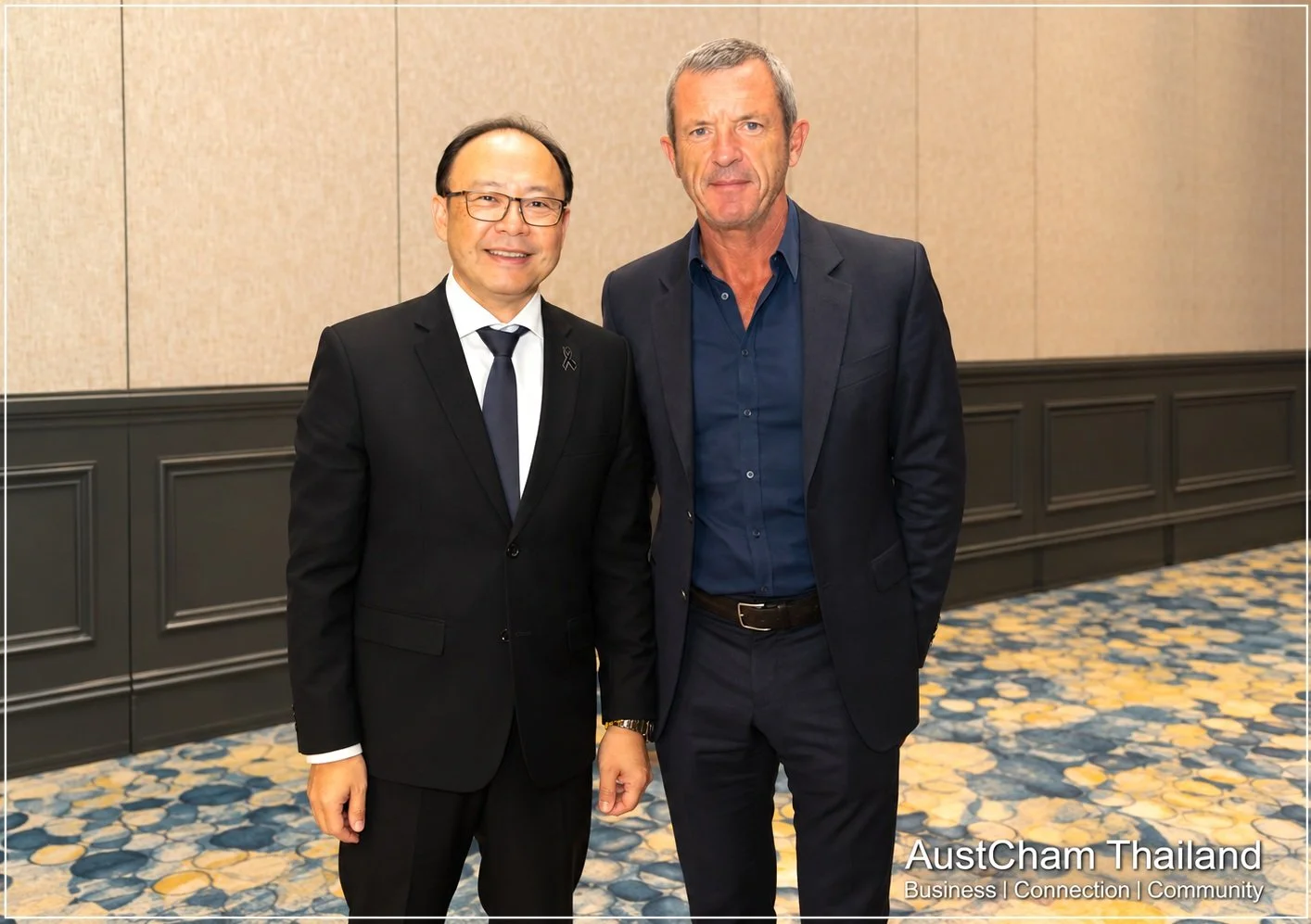
Richard Moir, Strategic Advisor to NTL Trust and a long-time advocate of international business development and cross-border investment, believes international families increasingly recognize the need for structures that match the way they live.
"For many years, diversification meant spreading risk across industries, markets, and asset classes. Today, the conversation has become broader. Investors are increasingly diversifying across jurisdictions, legal systems, and economic regions.
The world has become more connected, but also more complex. As a result, many successful families are looking beyond a single country when planning their long-term wealth strategy. They are seeking opportunities globally while ensuring their structures are capable of supporting assets, businesses, and future generations across borders."
For globally mobile families, trusts often provide the governance framework that allows international assets to function as part of a unified strategy.
More Than Cash and Investments
Trusts can hold a wide variety of assets.
These may include investment portfolios, private companies, international real estate, intellectual property, family offices, aircraft, yachts, precious metals, digital assets, and other alternative investments.
The objective is not simply to hold wealth.
The objective is to create a structure capable of managing that wealth efficiently across generations.
In some cases, families use trusts to support education, charitable initiatives, family governance, or specific long-term objectives that extend beyond financial returns.
The Rise of International Trust Jurisdictions
As wealth becomes more international, many families choose to establish trusts in jurisdictions specifically designed for international wealth planning.
These jurisdictions often offer modern trust legislation, political stability, professional trustee services, and legal frameworks developed to support cross-border families.
Jurisdictions such as Nevis have become particularly well known for their trust laws, which are designed to provide clarity, flexibility, confidentiality, and long-term continuity for international families.
The choice of jurisdiction ultimately depends on the family's objectives, residency, tax circumstances, and long-term planning requirements.
Planning for the Next Generation
The biggest asset within a family portfolio is often not a property, business, or investment account.
It is a continuity.
Trusts are not designed to make families wealthy. They are designed to help families remain wealthy.
As international families become increasingly mobile and assets become increasingly global, structures that provide governance, succession planning, and long-term stability are becoming an essential part of modern wealth management.
Monaco remains one of the world's premier destinations for global citizens. For many of those families, the next step is ensuring that their wealth structures are just as international as the lives they lead.
NTL Trust
Email
Website
Facebook
Instagram
Twitter
LinkedIn
YouTube