Property & Finance

A Basic U.S. Tax Compliance Guide for Investing Through a Delaware Limited Partnership

A Basic U.S. Tax Compliance Guide for Investing Through a Delaware Limited Partnership (For non-U.S. investors)

Financial investments through U.S. limited partnerships are common, and they are often used to access private equity, real estate, private credit, and other strategies that are typically less accessible to individual investors. Thanks to the flexibility of U.S. entity law, many of these investment vehicles are structured as limited partnerships formed in Delaware (a “Delaware LP”). These partnerships generally operate as pooling vehicles (often effectively “unregulated funds”) that raise capital from investors worldwide and allocate income, gains, deductions, and credits to partners under the U.S. “pass-through” tax regime.

In a typical structure, investors acquire limited partner interests, while the investment manager (or an affiliated entity) serves as the general partner. Under Delaware law, limited partners generally benefit from limited liability, while the general partner has broader management authority and bears responsibility for the partnership’s obligations (subject to the specifics of the structure and agreements). The limited partnership agreement is critical: it governs economic allocations, distributions, and many investor rights—often with significant flexibility—so it should always be reviewed carefully before investing.

Do non-U.S. investors always have to file a U.S. tax return?

It depends.

Because a partnership is generally treated as a pass-through entity for U.S. federal income tax purposes, each partner is typically treated as earning its share of the partnership’s income. The key question is whether the partnership is considered engaged in a U.S. trade or business (USTB). If it is, the partnership’s income is often effectively connected income (ECI), and a non-U.S. investor will usually have a U.S. filing obligation:

  • Nonresident alien individuals: typically file Form 1040-NR

  • Foreign corporations: typically file Form 1120-F

If the partnership is not engaged in a USTB, non-U.S. investors may have no U.S. return-filing obligation, because the partnership’s income may be:

  • Foreign-source income (generally not taxable to a foreign person for U.S. purposes), or

  • U.S.-source FDAP income (e.g., certain interest/dividends/royalties), for which tax is typically collected via withholding at source (often 30%, subject to treaty reductions).

How can a non-U.S. investor know whether a U.S. return is required?

The primary document is Schedule K-1, which reports each partner’s share of the partnership’s tax items for the year. Many partnerships also provide Schedules K-2 / K-3 when international tax items are present.

Timing note: partnerships generally must furnish K-1s to partners by the due date of Form 1065 (often March 15 for calendar-year partnerships), but partnerships can extend their filing deadline (often to September 15), which can also affect when K-1s are delivered.

What to look for:

  • If the K-1 shows ordinary business income (loss) and the underlying activity is treated as ECI, that is a strong indicator a U.S. return is required.

  • The “U.S. vs foreign” character of items can sometimes be clarified in supplemental statements or, where applicable, Schedule K-3.

  • Special situations can change the analysis (for example, certain U.S. real estate structures and dispositions can trigger distinct withholding and filing rules), so professional review is prudent—especially when the partnership invests in U.S. real property.

Also, if the partnership has ECI allocable to foreign partners, it is generally required to withhold under Internal Revenue Code Section 1446 at the applicable highest rate (often cited at 37% for individuals and 21% for corporations, depending on the year and facts). This withholding is often a practical “red flag” that a return filing will be needed to reconcile the final tax liability.

What is the filing deadline for Form 1040-NR (if a return is required)?

The deadline depends on whether the nonresident alien had U.S. wages subject to withholding:

  • If you had U.S. wages subject to withholding: generally April 15 (for calendar-year taxpayers).

  • If you did not have U.S. wages subject to withholding: generally June 15 (for calendar-year taxpayers).

An extension to file is typically available (commonly via Form 4868 for individuals), but an extension to file is not an extension to pay.

Do you need to file even if the Delaware LP allocated a loss?

Often, yes.

If the partnership is engaged in a U.S. trade or business and allocates ECI items to a foreign partner, filing may be required even if the net result is a loss. Filing can also be beneficial because properly reported losses may be available to offset future income (subject to limitations and the taxpayer’s facts). If you don’t file when required, you can lose strategic positions (e.g., loss of deductions against future taxable income) and potentially expose yourself to compliance issues.

How can a non-U.S. investor obtain an ITIN?

A nonresident alien who must file a U.S. federal income tax return and does not qualify for an SSN will generally need an ITIN (Individual Taxpayer Identification Number).

A common approach is:

  • File Form W-7 together with the Form 1040-NR (typically by mail), unless you qualify for an exception that allows a standalone W-7.

  • Provide required identification documentation. The IRS generally requires either the original passport or an acceptable certified copy (e.g., certified by the issuing agency), unless you use a Certifying Acceptance Agent (CAA) who can verify documents and help you avoid mailing original passports.

How can a non-U.S. investor receive a refund from the IRS?

Refund situations are common when withholding exceeds the investor’s actual U.S. tax liability—often in real estate and ECI contexts due to high withholding rates. To claim a refund, the investor typically files the required return (e.g., 1040-NR) and reports the withholding as a prepayment.

From a practical standpoint:

  • Having a U.S. bank account is strongly recommended to avoid common mailing issues related to checks;

  • Some U.S. banks may allow remote account opening with an ITIN, depending on their onboarding policies and the investor’s profile.

Summary

·       Delaware limited partnerships (LPs) are commonly used as pooling vehicles for foreign and domestic investors to access U.S. private equity, real estate, and private credit, with profits/losses generally passed through to partners.

·       Non-U.S. investors file a U.S. return only in certain cases: the key trigger is whether the LP is engaged in a U.S. trade or business, which can create effectively connected income (ECI) reportable on Form 1040-NR(individuals) or Form 1120-F (foreign corporations).

·       If the LP is not engaged in a U.S. trade or business, income is often foreign-source (generally not taxable to foreign persons) or U.S.-source FDAP (generally handled via withholding at source), so a U.S. return may not be required.

·       Investors usually determine their reporting position by reviewing the annual Schedule K-1 (and sometimes K-3), which breaks out the partner’s share of income items and their character.

·       1040-NR deadlines: typically June 15 for NRAs without U.S. wages subject to withholding (and April 15 if they had such wages); extensions may be available.

·       Even if allocated a loss, a filing may still be required when the LP has ECI, and filing can preserve losses for potential carryforward.

·       NRAs who must file typically need an ITIN, often requested by attaching Form W-7 to the first 1040-NR (with passport verification via consulate/issuing agency certified copy or a CAA).

·       Refunds can arise when withholding on ECI exceeds actual tax; filing the U.S. return is how the investor claims a refund.

If you want to obtain professional tax advice on your U.S. tax filing requirements, do not hesitate to contact Andrea Ricci CPA (CPA License # 57269 issued by the Washington State Board of Accountancy).

Website

Email

Linkedin

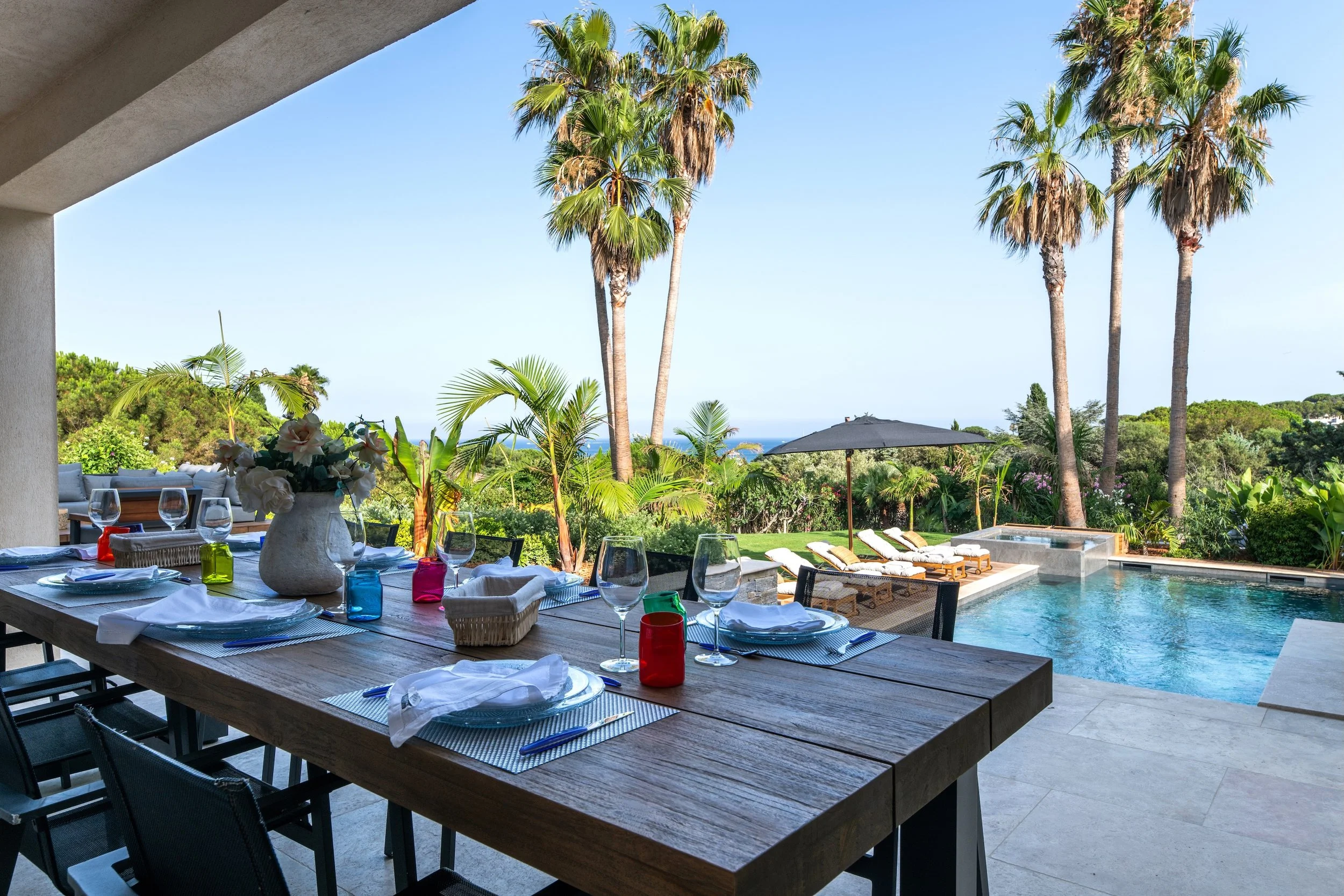
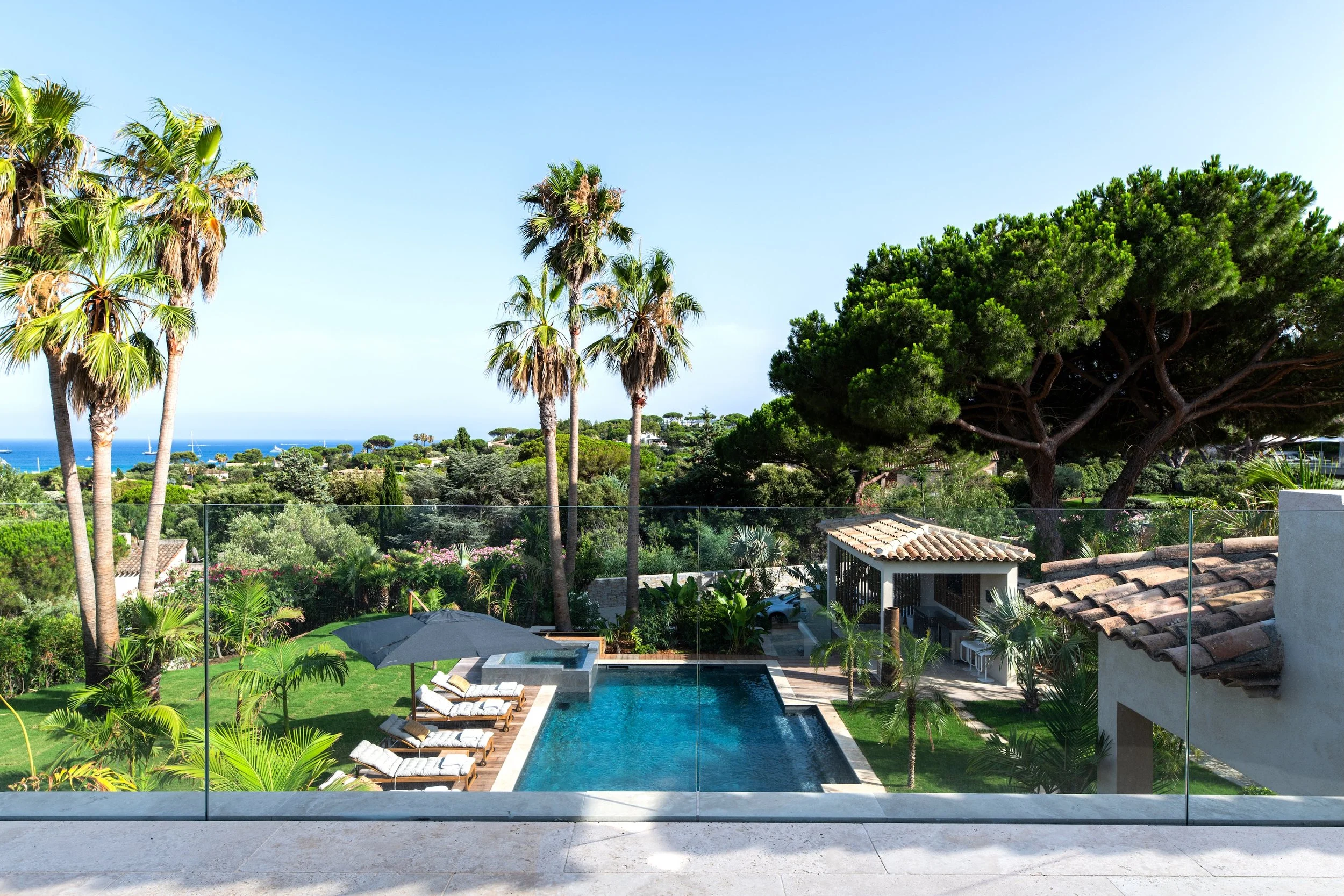
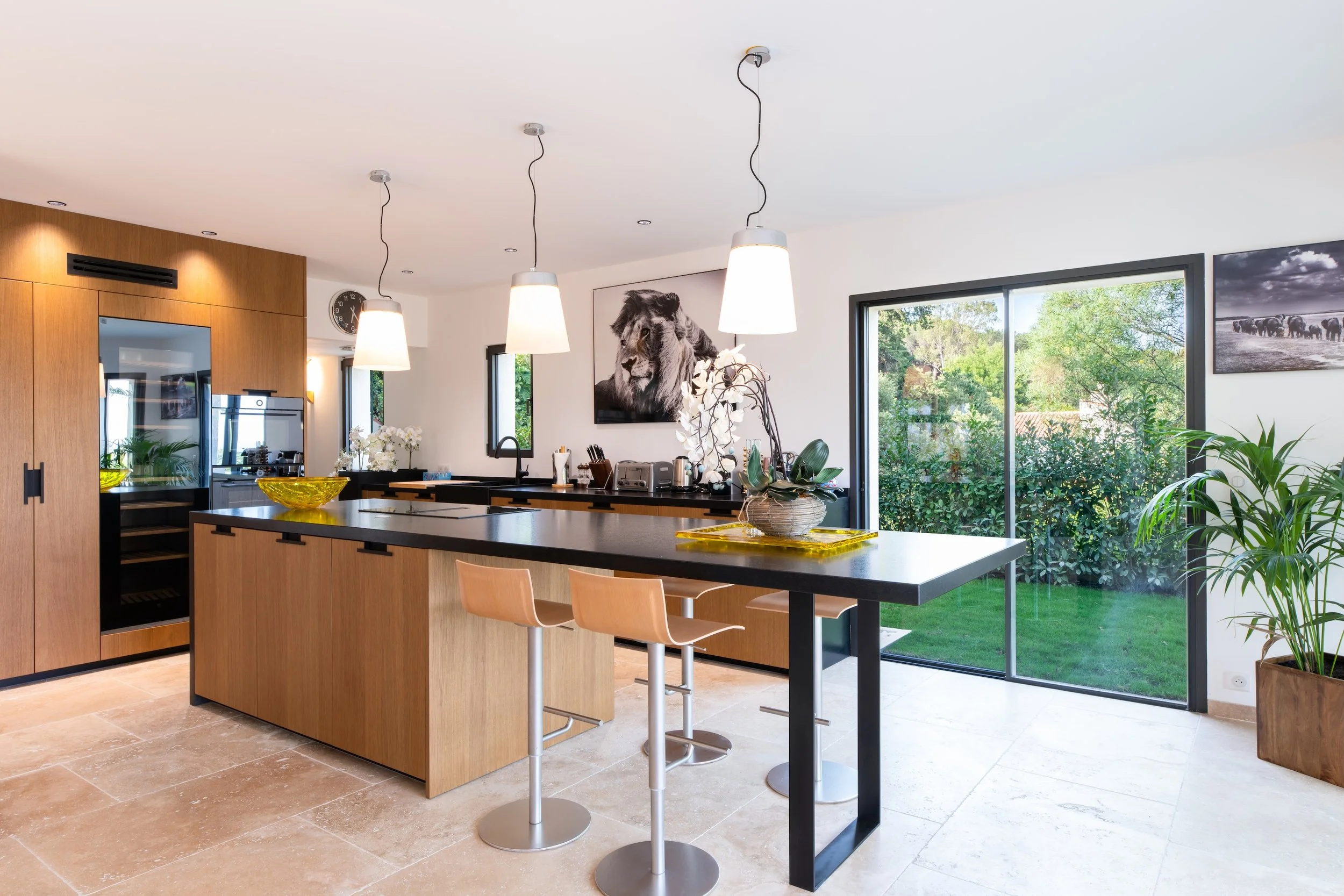
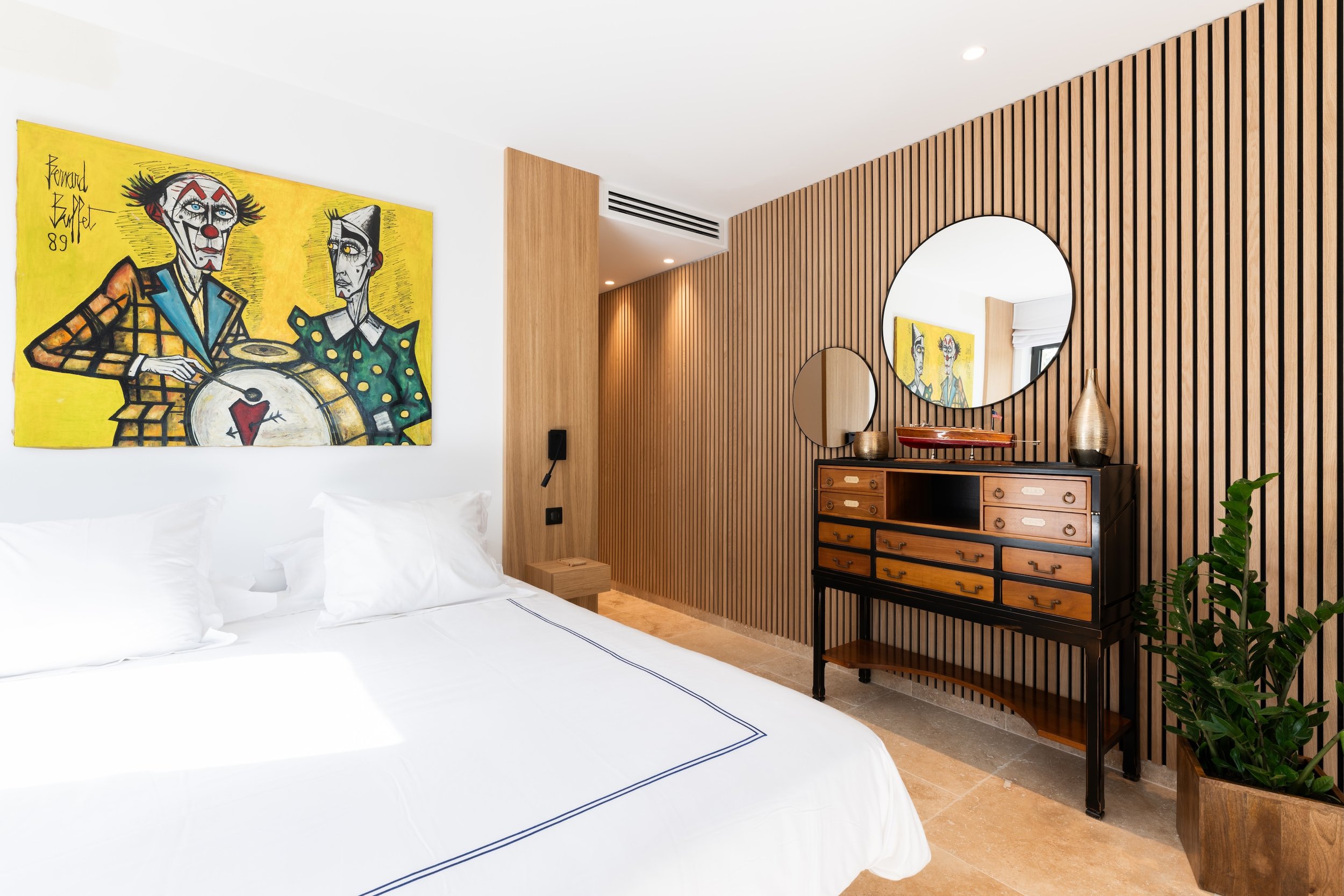
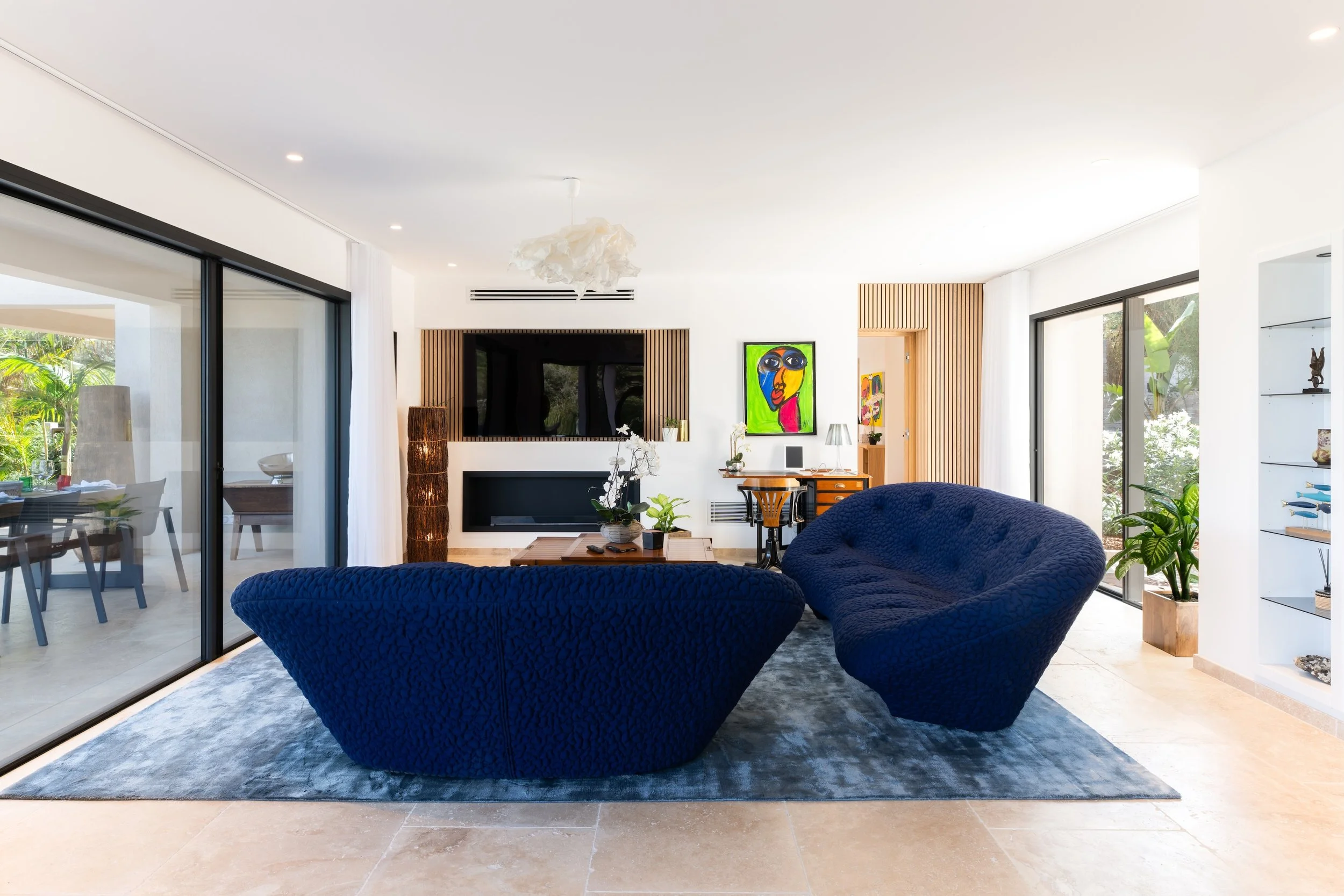
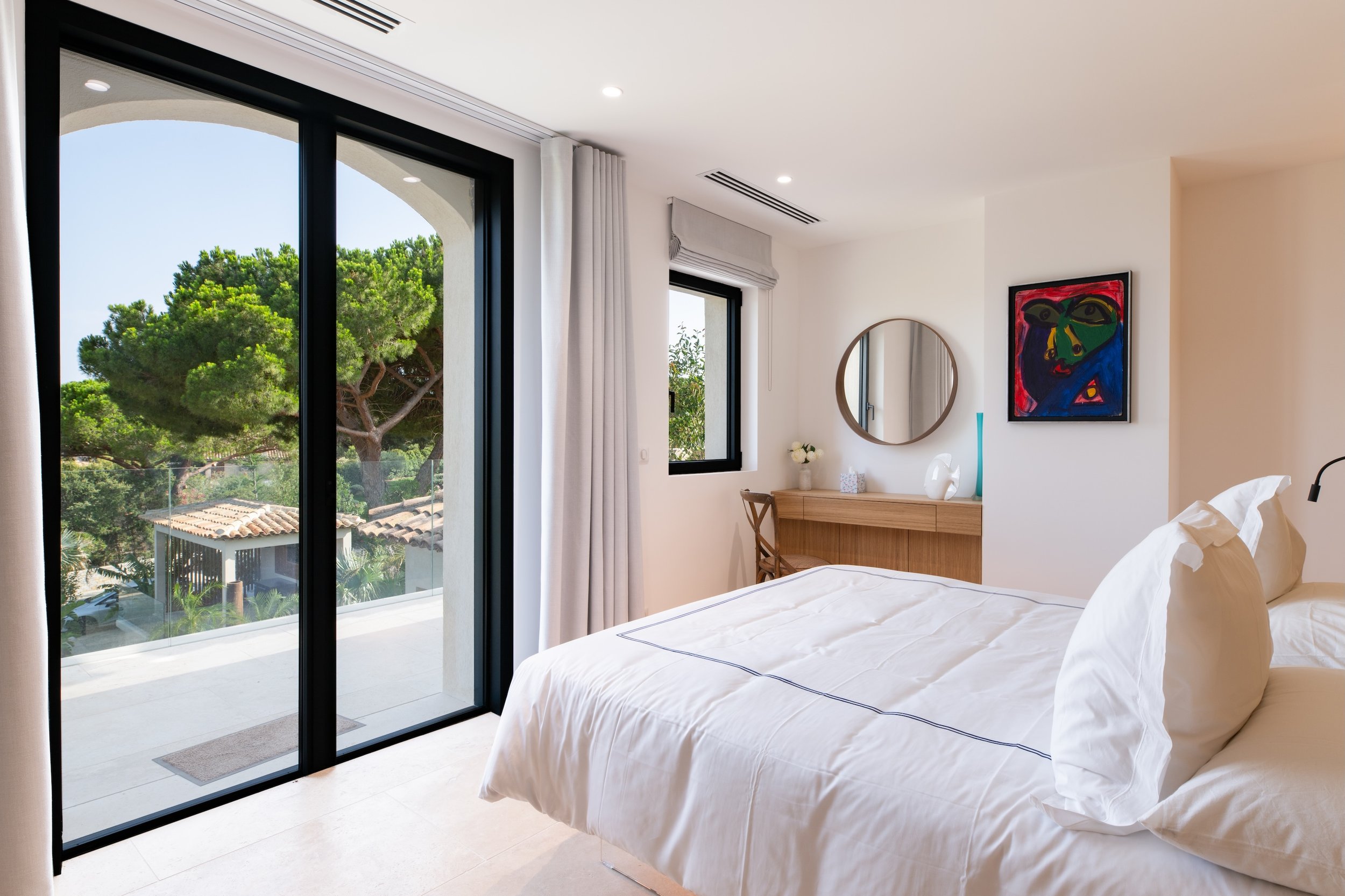
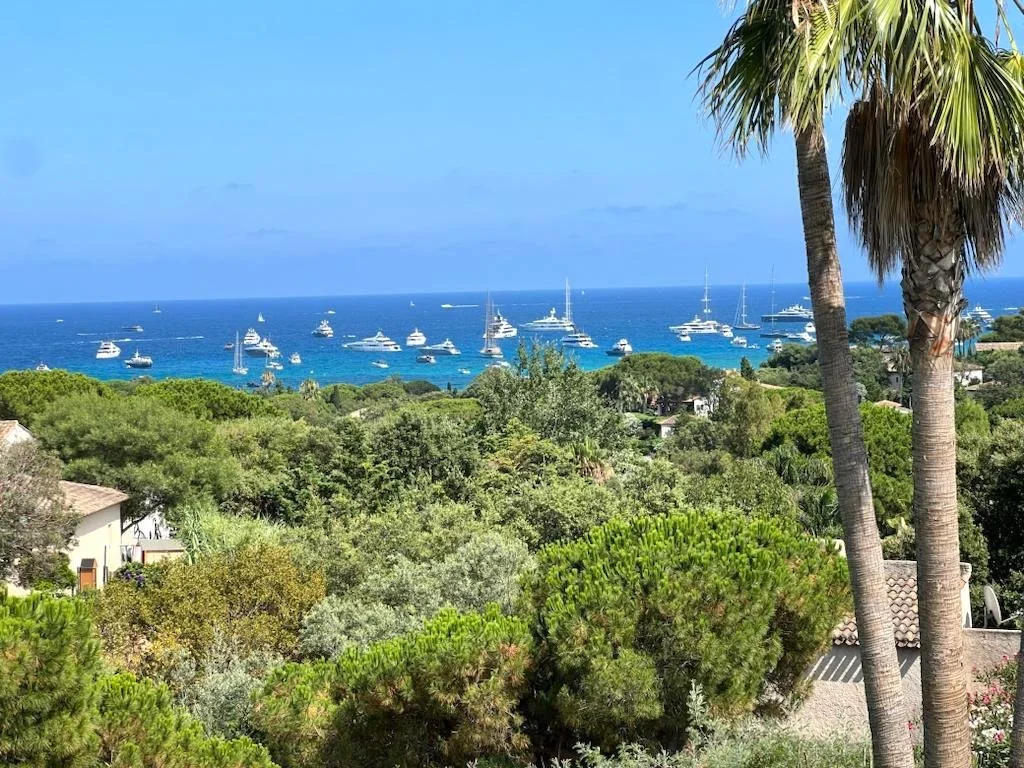
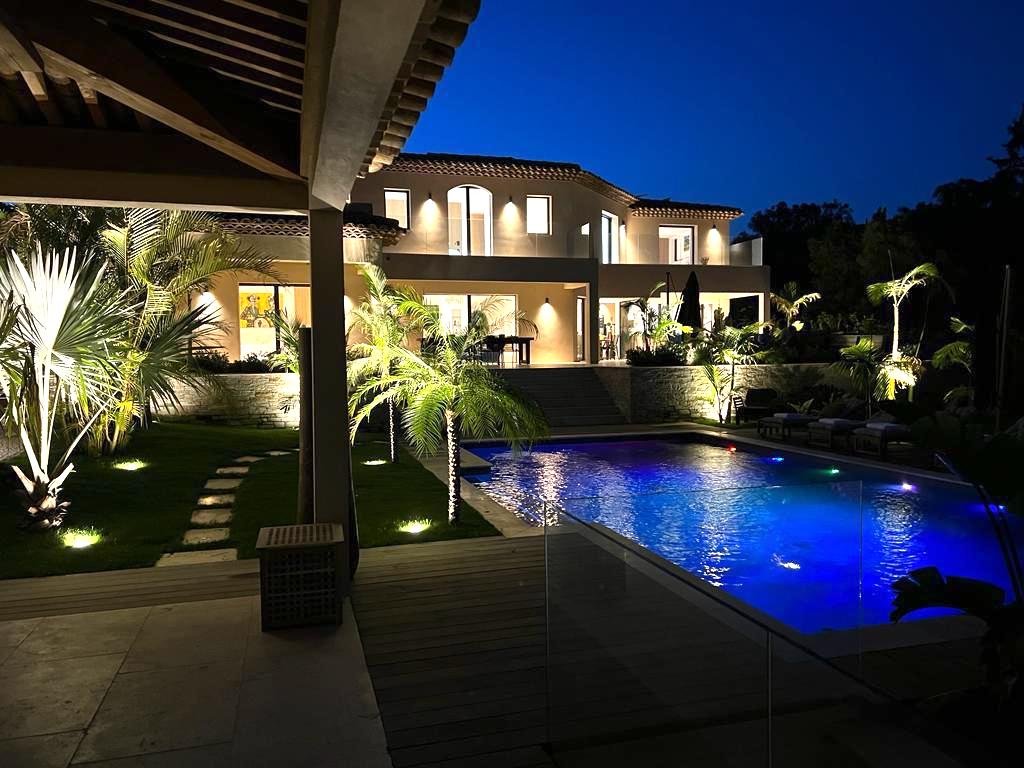
DN Architectes - Property Purchase in France: What Additional Costs Should I Expect?

Property Purchase in France: What Additional Costs Should I Expect?

Buying a property in France is exciting — but if you’re not familiar with the hidden costs, it can also be a bit stressful. Let’s go through them in detail.

Property purchase costs in France

The price of a property naturally depends on its location and type. 

Dynamic coastal cities like Nice, Biarritz, or Bordeaux are very popular, so prices for houses are relatively high — starting around €5,000 per square meter and climbing much higher for luxury properties. On the other hand, rural areas like the picturesque Dordogne or Lot-et-Garonne can offer a beautiful country retreat for much lower prices.

One important detail: check whether the price stated by the seller includes realtor fees. Sometimes, these fees are charged to the buyer, and sometimes to the vendor. Also, look at energy performance diagnostics (DPE), which can affect both comfort and running costs.

Notarial charges in France

Notarial charges, or “frais de notaire,” are set by the French government and depend on a several factors:

- Location of the property: rates can slightly vary from one department to another.

- Property purchase cost in France: the higher the price, the lower the percentage for notarial charges

- Type of property: new houses generally have lower rates than resale properties or vacant land.

Some websites let you estimate notarial charges quite accurately. A reliable one is: ANIL Notarial Fees Calculator 

Example: if you buy a resale property for €1,000,000 in Alpes-Maritimes (Nice, Cannes, Antibes, Roquebrune-Cap-Martin), notarial charges will be around 7% of the property price. In Biarritz or Paris, they can reach about 7.5%. For a new property, expect around 2% in most of France.

Realtor fees / real estate commission

Unlike notarial charges, agency fees are not controlled by the government, so they can vary quite a lot. Typically, they are calculated as a percentage of the purchase price and range between 3% and 8%.

Tip: When dealing with a French agency, clarify upfront if the fees are included in the price or added on top. This avoids surprises later.

Taxes

Once you own the property, you’ll need to pay:

- property tax (taxe foncière): an annual tax paid by the owner.

- Residence tax (taxe d’habitation): applies only if your villa is a secondary residence

- IFI – Impôt sur la Fortune Immobilière: due if the net value of your French property exceeds €1,300,000.

Tip for foreign buyers: Tax rules can be confusing if you’re not French-resident. Consider speaking with a French accountant experienced with international clients.

Property insurance

Your property must be insured from day one. At minimum, you’ll need home insurance (“assurance habitation”). Depending on your needs, additional coverage may be necessary — for example, natural disaster insurance if your villa is in a flood-prone or coastal area.

Condominium fees

If you’re buying an apartment in a co-owned building, condominium fees will also apply.

Construction / Renovation

If you plan to renovate or build on your new property, be aware that there will be many costs involved.

DN Architectes can help you understand all these costs and guide you through every step, making sure your project is carried out efficiently and elegantly.


DN Architectes designs more than homes — we create exceptional living environments shaped around lifestyle, place and long-term value.

Website
Facebook
Instagram
Tiktok
Linkedin

NTL Trust - The Rise of Co-Ownership: Holiday Home Market in 2026

The Rise of Co-Ownership: Holiday Home Market in 2026 

The reality is straightforward. Most luxury vacation homes are used for only a few weeks each year. For the remaining months, owners continue to carry the full cost of an asset that sits empty: taxes, maintenance, staffing, security, and administration included. In the post-boom era, this imbalance has become increasingly difficult to justify. 
 
At the same time, growing geopolitical uncertainty and regulatory fragmentation have made geographical diversification a practical consideration for globally minded families, not just an abstract concept. 

This is how co-ownership has quietly re-emerged, offering prospective buyers an opportunity to legally own a holiday home at a split cost. Not to be mistaken for a time-share, as co-ownership includes a deed share of the property and not just the right to use it. Co-ownership is an optimal middle point timeshare (paying to use holiday home without any legal rights to it) and traditional ownership (being fully responsible for taxes, furnishing and maintenance cost). 

The Appeal of Effortless Holiday Home Ownership 

Beyond financial efficiency, co-ownership addresses another growing priority: time. 

Traditional second-home ownership demands ongoing involvement: maintenance of coordination, staffing oversight, seasonal upkeep, and security management. For globally active individuals, these responsibilities can erode the very sense of escape a holiday home is meant to provide. 

Professionally managed co-ownership structures remove this friction entirely. Properties are maintained to hotel-level standards; expenses are shared transparently, and owners arrive at homes prepared for immediate enjoyment. The experience resembles a private residence supported by five-star infrastructure, rather than an investment requiring constant attention. 

The result is ownership that enhances lifestyle rather than complicates it. 

Why the Caribbean Has Become a Natural Co-Ownership Market 

While co-ownership exists globally, the Caribbean has quietly become one of its most compelling environments. 

The region combines established legal frameworks for foreign ownership, political stability, and a long-standing hospitality culture. Importantly, many Caribbean developments are designed from the outset as integrated resort ecosystems, making them particularly well suited to shared ownership models. 

In destinations such as Antigua and Barbuda, Dominica, Grenada, St. Lucia and St. Kitts and Nevis, co-ownership is often embedded within fully operational five-star resorts. Owners enjoy access to curated amenities: spas, fine dining, wellness facilities, private beaches, without assuming the risks associated with standalone villa ownership. 

Increasingly, buyers are also conscious that these jurisdictions offer long-term optionality beyond lifestyle alone, particularly as global mobility, education access, and healthcare resilience rise in importance. This structure allows buyers to enjoy a refined Caribbean lifestyle while maintaining clarity around costs, management, and long-term planning.  

When Real Estate Ownership Has A Strategic Value 

In select Caribbean jurisdictions, co-ownership extends beyond lifestyle alone. Qualifying real estate investments may also provide eligibility for citizenship by investment programs, granting full legal citizenship rights in an additional country. 
 
Citizenship can support global education pathways, broaden healthcare access, and provide children with greater freedom to build international careers, transforming a holiday home investment into a multi-generational planning tool 

Even if this is not the primary buyer’s motivation, it is increasingly viewed as a meaningful enhancement. Citizenship can offer long-term global mobility, legal diversification, and legacy planning advantages that traditional holiday homes do not provide. 

Three Examples of Modern Caribbean Co-Ownership 

Several developments illustrate how this model has matured across the region. 

In Antigua, Hodges Bay Resort & Spa represents a refined resort-based co-ownership model. Located on the island’s north coast, the fully operational five-star property blends contemporary design with beachfront living. Fractional ownership options provide access to a curated resort environment, professional management, and a clearly defined exit framework embedded within the investment structure. 

In Dominica, the waterfront villas at Secret Bay offer a more nature-centric interpretation. Designed to integrate seamlessly with the surrounding landscape, these residences combine architectural excellence with sustainability. Owners participate in one of the Caribbean’s most acclaimed eco-luxury destinations while benefitingfrom resort-level services and eligibility under Dominica’s citizenship framework. 

Meanwhile, Park Hyatt St. Kitts reflects the appeal of globally recognized hospitality brands within co-ownership structures. Situated on Banana Bay, the resort offers owners exposure to a blue-chip asset managed by an international operator, combining five-star service with long-term asset credibility. 

Across all three examples, the unifying theme is maximizing leisure at one of the world's most prestigious destinations that comes with no year-round maintenance cost and effort. 

To explore curated holiday home co-ownership opportunities and citizenship-by-investment real estate programs in the Caribbean, visit NTL Trust’s Real Estate Hub for in-depth insights, approved developments, and expert guidance. 

NTL Trust

Email
Website
Facebook
Instagram
Twitter
LinkedIn
YouTube

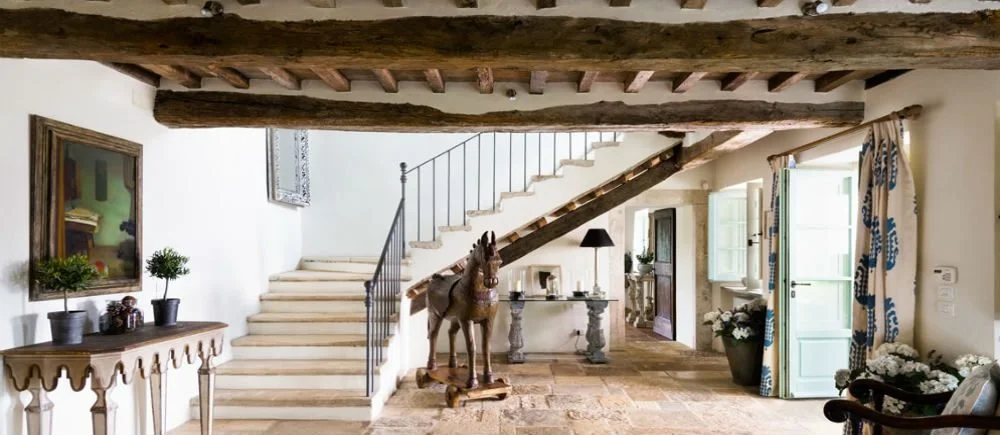
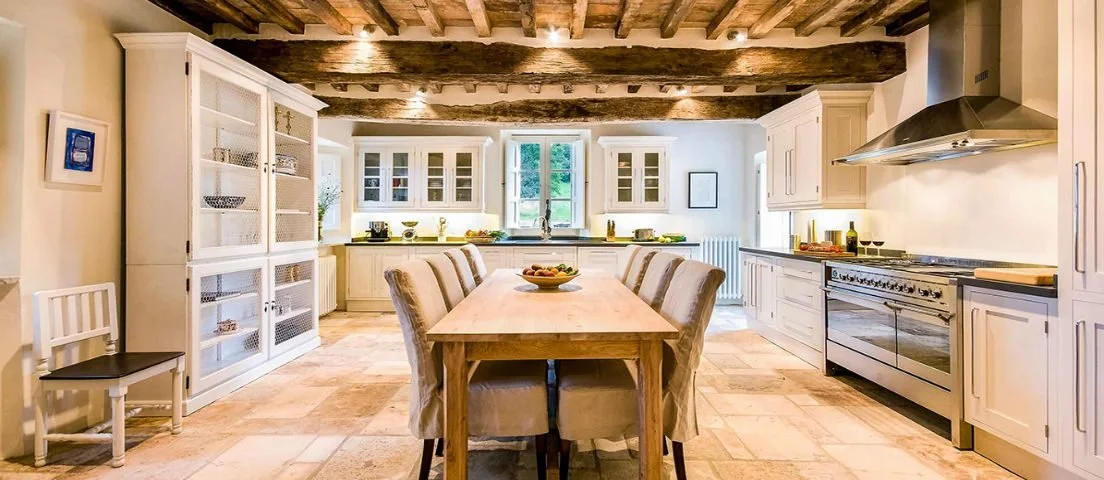
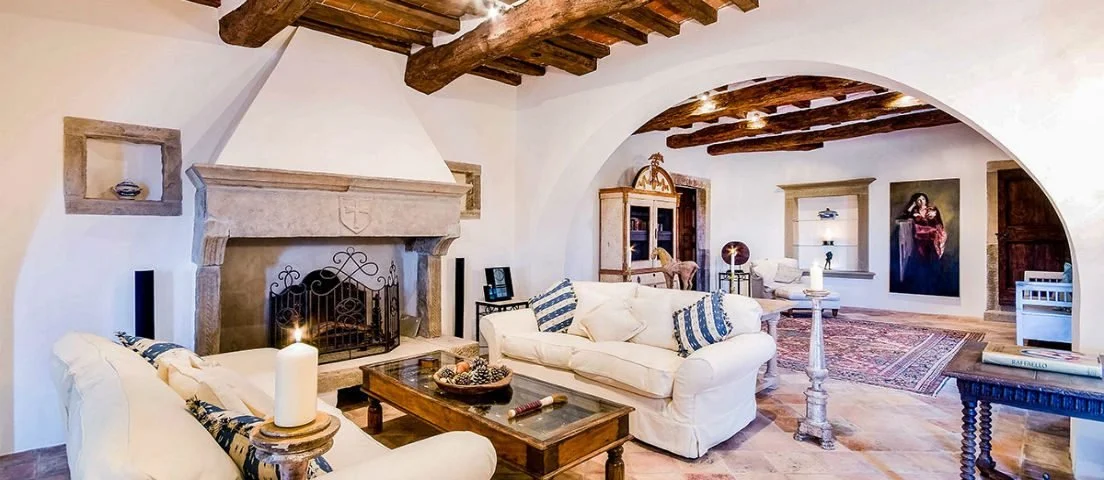
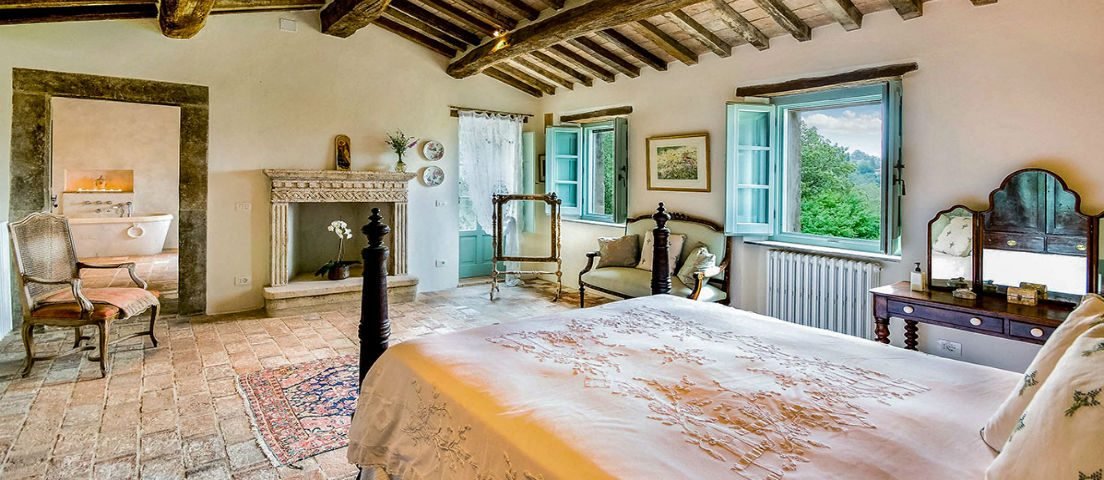
Do I Need To Hire An Architect To Build A Villa In France?

Do I Need To Hire An Architect To Build A Villa In France?

When you start a construction project in France, one of the first questions that comes to mind is whether hiring an architect is truly necessary — or if you can do without one. Let’s look at this question from three perspectives: legal, economic, and qualitative.

Legal perspective

In France, any project that requires a building permit (permis de construire) must, in principle, be designed by an architect.

From the legal point of view, any project that requires a building permit in France must be carried out by an architect.

But there are exceptions. You don’t need an architect if you’re a private individual building for yourself and your floor area is under 150 square meters (about 1,614 square feet). If it’s an agricultural building, the limit goes up to 800 square meters of floor area or building footprint. And if you’re planning an agricultural greenhouse, good news: you’re free to go ahead without an architect unless it exceeds 2,000 square meters.

Also, if your project is just interior modifications that aren’t visible from the outside, you don’t have to hire an architect.

Economic Perspective

From the economical point of view, it’s a double-edged sword.

On one hand, an architect represents a cost. In France, their fee is usually calculated as a percentage of the construction cost. The more expensive the project, the lower the rate — typically around 10–15%.

On the other hand, working with an architect gives you more freedom in choosing construction firms. What you spend on an architect can often be balanced by savings in construction, because all the solutions are optimized and you can create competition among contractors — unlike when you go through a builder (constructeur de maisons individuelles), where options are more fixed.

Qualitative Perspective : hiring an architect in France

From a qualitative standpoint, hiring an architect like DN Architectes guarantees a tailored, custom project, designed to perfectly fit your needs. And honestly, that’s probably the most important point — your architect isn’t just building a house, they’re shaping a home that truly suits you

DN Architectes designs more than homes — we create exceptional living environments shaped around lifestyle, place and long-term value.

Website
Facebook
Instagram
Tiktok
Linkedin

Les Floralies Monaco - Luxurious Turnkey Two Bedroom Apartment in Carre d’Or

Les Floralies Monaco - Luxurious Turnkey Two Bedroom Apartment in Carre d’Or

This magnificent renovated two-bedroom apartment is located in the prestigious Les Floralies residence, in the very heart of Monaco’s Carré d’Or, and benefits from an excellent concierge service. Entirely redesigned by a renowned interior designer, the property is offered as a rare, turnkey residence combining elegance, comfort, and refined craftsmanship.


The apartment features a luminous living area with a fully equipped open-plan Bulthaup kitchen fitted with Miele appliances, opening onto a landscaped terrace with views over Casino Square. Two spacious bedrooms with bespoke storage and marble-finished en-suite bathrooms enjoy a second landscaped terrace, while premium materials such as light oak parquet flooring and underfloor heating enhance the sense of luxury throughout.

Completed with a KNX home automation system, the property offers the highest standards of modern living. A large closed parking space and a cellar are available within the residence at additional cost.

Online Property Presentation
Instagram
Website
Email

Contact address:
Lorenza von Stein Luxury Real Estate Monaco
47 Boulevard du Jardin Exotique
98000 Monaco
Phone: +33 6 07 93 71 82
Tel : +377 97 97 02 77

Savills Monaco - Behind the Scenes: Preparing a Monaco Property for the Market

Savills Monaco welcomes 2026 by sharing insight into the careful preparation behind every property brought to market in the Principality.

Behind the Scenes: Preparing a Monaco Property for the Market

When a property is listed in Monaco, there is far more involved than simply placing it online. Behind every instruction is a strategic process designed to protect value and attract the right buyer.

It begins with an accurate market valuation, based on current demand, comparable sales, and the specific characteristics of the building and location. Correct positioning from the outset is essential in Monaco’s highly competitive market.

Each property is then assessed to define its ideal buyer profile, allowing marketing efforts to be targeted rather than widespread. Presentation also plays a key role, from simple styling advice to professional photography that reflects the expectations of an international clientele.

Depending on the client’s preference, the property may be marketed discreetly off-market or through Savills’ global private client network. Throughout the process, viewings are carefully managed, and feedback is continuously reviewed to ensure the strategy remains aligned with market conditions.

Preparation is key in Monaco’s unique property market. If you are considering selling or renting a property, we invite you to get in touch with the Savills Monaco team to discuss how we can assist.

Contact:
Irene Luke
Partner, Savills Monaco
+377 97 70 42 00

Val de Rian - The Charm of Provence Combined with “La Dolce Vita” of St Tropez

Val de Rian - The Charm of Provence Combined with “La Dolce Vita” of St Tropez

Perched with effortless grace on the sun-drenched hills overlooking St Tropez’s legendary coastline, Val de Rian is where the Riviera reveals its softer, more seductive side. Nestled in one of the peninsula’s most coveted enclaves, this private estate embodies the quintessential Riviera lifestyle: chic, serene and achingly beautiful.

Imagine waking each morning to the warm Provençal light filtering through tall pines, the scent of rosemary and wild thyme carried on a breeze that whispers of sea and sunshine. Just moments from the world-famous beaches of Pampelonne where Club 55 and its cabanas dot an expanse of golden sand. Val de Rian offers the rare promise of privacy within reach of the Riviera’s greatest pleasures.

Here, classic Mediterranean charm melds with contemporary elegance. Val de Rian has a beautiful garden, blooming with bougainvillea and olive trees, creating intimate outdoor rooms shaded by centuries-old pines. Sun-soaked terraces overlook the glinting Mediterranean, while the heated pool reflects the unending azure of sky and sea beyond.

Step inside, and you’ll find open living areas with generous windows draw the outside in, framing views of the coastline like paintings. Bedrooms with en-suite bathrooms offer restful retreats; kitchens equipped for gourmet meals invite evenings of Provençal produce and local rosé savoured late into the summer dusk.

Yet, as captivating as Val de Rian is at dusk, it truly comes alive at dawn. Early risers might wander down to Pampelonne’s tranquil shores while the light is still soft, returning to enjoy a leisurely breakfast under a vine-covered pergola. Or linger by the pool with an espresso, watching the light dance on the Mediterranean, a moment of pure Riviera bliss that defines the season.

For lovers of the Côte d’Azur, Val de Rian represents a dream made real: an address sublimely private and perfectly poised between peaceful countryside and the vibrant heartbeat of St-Tropez offering an invitation to fall in love all over again with the Côte’s timeless allure.

When you book your stay with us, no request is too extravagant. Val-de-rian exemplifies our commitment to delivering the same lavish lifestyle service in all our destinations. Contact by email or +44 207 692 4092.

Spend a Magical Christmas at St Tropez Views - Your Ultimate French Riviera Escape

Spend a Magical Christmas at St Tropez Views - Your Ultimate French Riviera Escape

At the heart of the French Riviera, this magnificent property offers an unforgettable escape. The panoramic views of St. Tropez and its glistening bay feel even more enchanting during the festive season, when the town glows with Christmas lights and quiet winter charm. Perfectly positioned within walking distance of local boutiques, elegant restaurants and stylish bars, experience the refined tranquillity of St. Tropez in winter with its luxurious Christmas markets, glittering decorations and seasonal festivities, while remaining just under two hours away to Monaco.

The villa is a serene holiday retreat. Beautifully landscaped gardens unfold across multiple terraces filled with Mediterranean flora that thrives all year-round. The gentle sound of fountains, shaded pergolas, a charming gazebo and a boules court invite you to enjoy the slower pace of Riviera living. The large pool, which can be heated on winter days, becomes an idyllic spot for crisp morning swims or relaxing afternoons. The spacious pool house, complete with a fully equipped kitchen, welcoming fireplace and stylish dining area, offers the perfect setting for relaxed festive lunches, cosy fireside dinners, and sunset cocktails.

Inside continues to impress with its grand interiors designed for comfort, elegance and celebration. The sweeping staircase and large terraces create an immediate sense of luxury, while the 4 floors, all seamlessly linked by an elevator, make this ideal for families and groups gathering for the holidays. Guests can enjoy the state-of-the-art cinema room for Christmas movie nights, retreat to the gym or games room for leisurely afternoons or simply unwind in the generous living spaces that look out toward the sparkling bay.

At Christmas, St. Tropez reveals a side few ever see. The historic port becomes a festive promenade adorned with twinkling lights and the Christmas Village welcomes visitors with artisan stalls, Provençal delicacies and seasonal treats. Families can enjoy the open-air ice rink in Place des Lices, while food lovers indulge in winter gastronomy - from oysters and truffles to traditional Provençal holiday desserts like the famous 13 Desserts de Noël. Boutique streets offer inspired gift shopping, and winter walks along Pampelonne Beach or the coastal paths provide peaceful moments surrounded by natural beauty. For an added touch of Riviera glamour, Monaco’s spectacular Christmas market and festive atmosphere make for an unforgettable day trip.

With 8 beautifully appointed bedrooms, the villa accommodates up to 16  guests, offering ample space and privacy for a truly luxurious Christmas together. And when you stay at st tropez views, no request is too extravagant. Whether you would like a private chef to prepare your Christmas feast, a decorated tree awaiting your arrival, curated excursions or seamless arrangements for a Monaco visit, every detail can be tailored to create an exceptional holiday experience.

For availability and bookings, including limited remaining dates for the festive season, please contact edward@lemarquisluxury.com

Discover A Private Escape Above Porto Cervo’s Turquoise Coastline in Sardinia

Discover A Private Escape Above Porto Cervo’s Turquoise Coastline in Sardinia

Sitting gracefully above the cerulean sweep of the Sardinian coastline, this seven-bedroom villa in Porto Cervo is more than a holiday home, it’s an experience. A symphony of sea, light and understated luxury, it captures the very essence of Mediterranean living.

From the moment you enter through the gates, the air shifts. The scent of jasmine mingles with the salt of the sea and a sense of calm takes hold. The villa’s 3,000 sq metres of gardens wrap you in privacy and peace, framed by palms and sculpted greenery. It feels secluded, yet never isolated - a sanctuary perched just above one of Europe’s most glamorous coastlines.

Inside, the atmosphere is one of modern refinement. 780 sq meters of airy interiors unfold in soft, sunlit tones. Floor-to-ceiling glass doors open wide to the sea, dissolving the boundary between indoors and out. In the panoramic living room, plush seating invites long, languid hours of conversation or quiet reflection. You can watch the sunlight shift across the water, listen to the whisper of waves and feel Sardinia’s unhurried rhythm seep into your soul.

The kitchen and dining area form the villa’s heart - sleek, contemporary and designed for togetherness. The central island is a natural gathering place, whether for a chef-prepared feast of local seafood and herbs or a simple glass of Vermentino shared among friends.

Step outside and the Mediterranean reveals itself in full, cinematic glory. The infinity pool stretches toward the horizon, reflecting skies of cobalt and coral. The jacuzzi bubbles softly nearby, while an outdoor lounge, dressed in white linens, awaits the golden hour, that fleeting moment when the sea and sky are the same luminous hue, and the day exhales into night.

As dusk falls, Porto Cervo itself begins to sparkle. Founded in the 1960s by the Aga Khan, this enclave on the Costa Smeralda remains a byword for sophistication. Its marina gleams with superyachts; its promenade buzzes with elegant cafés, art galleries, and the murmur of different languages. Yet beyond the glamour lies another Sardinia, wild, soulful, and profoundly beautiful.

Venture beyond the villa’s embrace, and you’ll find hidden coves accessible only by boat, trails lined with wild rosemary, and inland villages where time slows and traditions hold strong. Spend a day exploring the Maddalena Archipelago, whose translucent waters rival the Maldives, or drive inland to enjoy handmade pasta and honey straight from local hives.

Returning home, you’ll find the villa waiting in serene silence, lights glowing softly against the night. It is, at its heart, a place of balance -  between privacy and connection, indulgence and authenticity, elegance and ease.

In Porto Cervo, luxury isn’t loud. It’s the hush of a sea breeze through the palms, the gleam of sunlight on water, the feeling of being utterly, beautifully present.

When you book your stay with us, no request is too extravagant. villa-bellissima

exemplifies our commitment to delivering the same lavish lifestyle service in all our destinations.  Contact edward@lemarquisluxury.com +44 207 692 4092.

Is Now the Time to Buy in London? A Unique Opportunity for Monaco Residents

Is Now the Time to Buy in London? A Unique Opportunity for Monaco Residents

Savills Monaco is proud to be part of the global Savills network. Founded in 1855 in the UK, Savills is now one of the world’s leading property advisors, with over 42,000 experts across 700 offices. Wherever your property interests lie, we have you covered — and one destination that continues to attract our clients is, of course, London.

Why now?
Savills Research shows that the amount of unsold stock on the market has risen, creating a disconnect between supply and demand. As a result, prices have continued to soften. At the end of June, values were on average 3.7% lower than the previous year — and 22.4% below their mid-2014 peak, before the “fiscal climate change” began.

A new tax opportunity
Under the UK’s updated tax rules, people living in Monaco — including British expats — can now spend more time in the UK without triggering UK tax.

As explained by Charles Gothard and Charlie Maydon Grace, wealth structuring specialists at the London law firm Macfarlanes, individuals who have been non-UK resident for ten years can now become UK resident and enjoy a four-year “tax holiday” on their foreign assets. This even applies to British nationals returning to the UK.

This change is proving significant. Charles and Charlie are seeing both British clients returning (perhaps temporarily to be closer to family) and non-UK clients moving to the UK to take advantage of this generous regime. There’s no annual charge to access it, and inheritance tax generally only becomes relevant after ten years of UK residency.

What else to consider
Charles and Charlie also note:

  • Clients are reviewing gift planning around UK assets before the UK Budget (26 November).

  • Major inheritance tax and business changes are expected in April 2026, making early planning wise.

  • Since April 2025, British clients who have not lived in the UK for ten years can now undertake estate planningwithout triggering UK inheritance tax.

As always, personal advice is essential — but this could be welcome news for Monaco residents who are carefully counting their UK days and would like more flexibility.

If you have questions, you can reach out to Charles and Charlie directly:

Email Charles
Email Charlie

Savills Monaco
Le Roqueville, 20 boulevard Princesse Charlotte
Monaco, 98000
Email contact

Investing in U.S. Real Estate Without the FIRPTA Headache

Investing in U.S. Real Estate Without the FIRPTA Headache

A Tax-Efficient Guide for Foreign Investors

Introduction

The United States remains one of the most attractive real estate markets in the world, offering strong fundamentals and diversified investment opportunities. Yet for foreign investors, the allure of U.S. real property often comes with a complex web of tax considerations—chief among them the Foreign Investment in Real Property Tax Act (FIRPTA).

Understanding how the U.S. tax system treats foreign investors—and how to structure investments to minimize exposure—is essential to maximizing returns and maintaining compliance with complex U.S. international tax laws.

1. The Framework of Inbound Taxation

Under U.S. tax law, foreign individuals and entities are taxed only on income sourced within the United States (“inbound taxation”). The classification of income as U.S.-source depends on the nature of the underlying transaction.

When dealing with real estate, income may arise from direct ownership or indirect participation through corporations, partnerships, or funds. Each route carries distinct tax implications, reporting duties, and withholding mechanisms.

2. Direct Ownership of U.S. Real Property

Foreign investors who directly own U.S. real estate—whether residential or commercial—are generally subject to federal and state taxation on income derived from that property.

By default, rental income is considered Fixed, Determinable, Annual, or Periodical (FDAP) income and subject to a 30% withholding tax on the gross amount, with no deductions allowed. This flat withholding satisfies the investor’s U.S. tax liability, removing any filing obligation.

However, most investors elect to treat their rental income as Effectively Connected Income (ECI) under IRC §871(d) or §882(d). This election allows deductions for expenses such as property taxes, maintenance, and depreciation—reducing taxable income and potentially resulting in a lower effective tax rate (up to 37% for individuals or 21% for corporations).

Upon sale of the property, any capital gain is generally treated as ECI under FIRPTA, triggering a 15% withholding on the gross sales price payable by the buyer. The foreign seller may later claim a refund by filing a U.S. tax return (Form 1040-NR or 1120-F).

3. Indirect Ownership Through Corporate Structures

To simplify compliance, many foreign investors establish a “blocker” corporation, typically a U.S. domestic entity, to hold their U.S. real estate.

While this approach may shield the investor from direct filing requirements, it does not eliminate FIRPTA exposure. A domestic corporation holding primarily U.S. real property (more than 50% of the fair market value of its assets) is classified as a U.S. Real Property Holding Corporation (USRPHC). The sale of its shares is treated as a direct sale of real property—subject to FIRPTA withholding.

This structure also introduces double taxation: (1) the corporation pays 21% corporate income tax on its profits; (2) dividends to the foreign shareholder are subject to 30% withholding. While the statutory 30% withholding tax on dividend income is often mitigated by applicable bilateral tax treaties concluded by the United States, such treaty relief is ordinarily unavailable in respect of U.S.-source rental income derived by foreign investors.

4. The REIT Advantage: Structuring Around FIRPTA

An elegant and increasingly popular solution lies in the Real Estate Investment Trust (REIT) structure.

A REIT is a U.S. corporation that owns or finances income-producing real estate and must distribute at least 90% of its taxable income to shareholders each year (among other requirements outlined in §§ 856–859 of the Internal Revenue Code) . Unlike regular domestic U.S. corporations, REITs are allowed a dividend-paid-deduction , thereby avoiding entity-level taxation if they distribute in full their earnings & profits.

For foreign investors, this feature effectively removes the double-tax layer otherwise seen in corporate structures, making REITs a highly efficient investment vehicle.

Unlike ordinary domestic corporations, a REIT can designate distributions of gains recognized on real-property dispositions as capital gain dividends (CGDs) for shareholder-level taxation. Normally, such gains would fall under FIRPTA, but the law provides two key exceptions that can exempt foreign investors from U.S. taxation:

1. Publicly-Traded REIT Exception – Applies if the investor owns 5% or less of the REIT’s publicly traded shares.

2. Domestically Controlled REIT Exception – Applies if the REIT is “domestically controlled,” meaning that less than 50% of its value is held by foreign persons.

5. Practical Takeaways for International Investors

Foreign investors can enjoy substantial tax efficiency through REITs by observing a few practical rules:

- Confirm listing status: Verify that the REIT’s shares are regularly traded on a recognized public exchange (e.g., NYSE, NASDAQ).

- Monitor ownership thresholds: Ensure your total investment remains below 5% of any share class to qualify for the small-shareholder exception. This requirement must be met over the 5-year testing period prior to date of the CGD or of the sale of the shares of the REIT.

- Verify control composition: If exceeding the previously-mentioned 5% threshold, confirm that the REIT qualifies as “domestically controlled.” That piece of information may be available in public filings of the REIT or, alternatively, may be requested from the REIT managers / trustees. Again, this requirement must be met over the 5-year testing period prior to date of the CGD or of the sale of the shares of the REIT.

Under these conditions, investors benefit from:

- No tax at the REIT level on distributed income;

- Withholding at 30% (often reduced to 15% under treaties) on dividends;

- No U.S. tax on capital gain distributions or from share dispositions;

- No U.S. income tax return filing requirement.

Conclusion

While FIRPTA presents a formidable hurdle to non-U.S. investors, thoughtful structuring—particularly through publicly traded REITs—can effectively neutralize much of its impact.

For those seeking U.S. real estate exposure without the compliance burden or double taxation risk, REITs offer a powerful, tax-efficient gateway into the American property market.

Andrea Ricci, CPA (Washington State License No. 57269)

Tradepass International Tax LLC

Email
LinkedIn
Website

Villa Tamarin in Rivière Noire - Where the Mountains Meet the Sea

Villa Tamarin in Rivière Noire - Where the Mountains Meet the Sea

There’s a moment, as you turn off the coastal road in Rivière Noire, when the world seems to exhale. The bustle fades, the air turns salt-sweet and suddenly the view opens wide to a stretch of glittering ocean framed by the green rise of mountains. It’s here, on Mauritius’ sun-drenched west coast, that this large beachfront villa rests, a quiet sanctuary where the rhythm of island life takes over.

Set between the Indian Ocean’s shimmer and the lush folds of Black River’s hills, the villa feels more like a private resort than a mere holiday home. With six bedrooms and enough space to host a family gathering or a group of friends, it manages that rare balance of spaciousness and intimacy, grand in scale yet warm in spirit.

Step inside and the air is filled with light. The interiors whisper understated elegance: crisp linens, pale wood and subtle tropical touches that echo the landscape outside. The ground floor opens into an airy living and dining area that feels made for long, lazy breakfasts and unhurried dinners where conversation lingers well past dessert. The kitchen, sleek and modern, is the kind of space that inspires even reluctant cooks to create: two refrigerators (one American-style with an ice maker), a Nespresso machine for those languid mornings and everything needed for effortless island living. Upstairs, another lounge beckons for quiet moments. Step out onto the terrace and you’re rewarded with one of Mauritius’ finest daily performances: the sunset. As the sun sinks into the ocean, the sky ignites in molten golds and tangerines, mirrored in the water below.

Outside, the villa opens into its most captivating feature: a private world of sea and sky. The swimming pool glimmers like liquid glass, edged by loungers and shaded nooks perfect for an afternoon nap. The veranda, with its twin lounges and large outdoor dining table, invites you to sip coffee to the soundtrack of birdsong, or toast the day’s end with a cocktail as waves lap the shore. Just beyond, a ribbon of soft sand leads you to the warm Mauritian tide, quiet, calm, and impossibly inviting.

Each of the villa’s six air-conditioned bedrooms has its own personality. Downstairs, one room opens to sea views and an ensuite bathroom; another, tucked among the garden greenery, offers its own private haven. Upstairs, the master suite claims the best seat in the house: ocean views, a private balcony and a spa-like ensuite with double vanities. The remaining rooms, two doubles and two twins, share elegant bathrooms, perfect for families or friends traveling together.

Days here unfold at an easy pace. Venture inland to hike the trails of Black River Gorges National Park or explore the coral-rich lagoon that glows turquoise just offshore. Return home sun-drenched and happy, the scent of salt and frangipani in your hair. And when night falls, dine beneath the stars, the warm air humming softly with the sounds of the island.

In Rivière Noire, life moves to a gentler rhythm, measured not by clocks, but by tides and sunsets. This villa is more than a place to stay; it’s a front-row seat to the art of slowing down, to the simple luxury of being exactly where you are.

When you book your stay with us, no request is too extravagant. Villa-Tamarin exemplifies our commitment to delivering the same lavish lifestyle service in all our destinations. 

Email contact
+44 207 692 4092

Le Marquis Luxury: St Tropez Views - Your Ultimate French Riviera Escape

Le Marquis Luxury: St Tropez Views - Your Ultimate French Riviera Escape

At the heart of the French Riviera, this magnificent, recently refurbished property offers an unforgettable escape, with sweeping panoramic views of St. Tropez and its glistening bay. Ideally located, it’s in walking distance to the local shops, chic restaurants and trendy beach bars. The luxurious and spacious accommodation is spread across four expansive floors, all seamlessly connected by an elevator, making this the perfect retreat for family reunions or a group of friends looking to indulge in the South of France’s renowned opulence and charm.

Step into the beautiful garden and you are greeted by an array of vibrant Mediterranean flora, meticulously arranged on multiple terraces. Whether it’s under the shade of a pergola or relaxing by one of the soothing fountains, the garden invites tranquillity and features shaded terraces for lounging, a gazebo, and even a boules court, perfect for embracing the laid-back lifestyle. The large swimming pool, which can be heated on cooler days, serves as the property’s centrepiece, complete with a spacious pool house. Here, you'll find a fully equipped kitchen, a cosy sitting room with a fireplace, and a dining area, making it an ideal spot for al fresco meals and sunset cocktails.

Inside, St Tropez Views is just as inviting, with grand, sun-drenched living spaces. From the ground floor's elegant entrance hall, sweeping staircase, and expansive terrace views to the sophisticated cinema room, gym and games room on the lower level, every corner of this home exudes luxury.

With 8 bedrooms offering comfort and privacy, this Villa can accommodate up to 16 guests and still has some availability for August. Contact edward@lemarquisluxury.com for details.

When you book your stay with us, no request is too extravagant. st tropez views exemplifies our commitment to delivering the same lavish lifestyle service in all our destinations.

Tradepass Review - U.S. Tax Compliance for Monaco Banks and Investment Funds

U.S. Tax Compliance for Monaco Banks and Investment Funds

The Foreign Account Tax Compliance Act (FATCA) imposes comprehensive due diligence, withholding, and reporting obligations on foreign financial institutions (FFIs) that hold U.S. accounts. Since Monaco has not signed an intergovernmental agreement (IGA) with the United States, Monaco banks and investment funds generally fall under the non-IGA FATCA framework, governed by the FFI Agreement outlined in IRS Revenue Procedure 2014-38.

While compliance with U.S. FATCA requirements may seem daunting and expensive, it is important to note that it often leads to significant benefits, including efficient access to American financial markets. In the absence of a specific agreement with the IRS, clients of the Monaco financial institution may be subject to a 30% withholding tax on certain U.S.-source payments. This is technically referred to as “Chapter 4 Withholding” and cannot be overridden by any Income Tax Treaty.

1. Who Must Comply?

All Monegasque entities that qualify as foreign financial institutions (FFIs) must either:

- Enter into an FFI Agreement with the IRS as a Participating FFI, or

- Qualify for and certify as a deemed-compliant FFI, if eligible.

An FFI typically includes:

- Banks and deposit-taking institutions

- Custodians and brokers

- Investment funds

- Certain insurance companies

 2. FATCA Registration Steps for Monegasque FFIs

Step 1: Determine FFI Classification 

Classify your entity according to IRS definitions. Most banks and funds will be classified as FFIs, not NFFEs (non-financial foreign entities).

Step 2: Register with the IRS

- Use Form 8957 through the FATCA Registration Portal. 

- Designate a Responsible Officer (RO). 

- Identify and register all relevant branches, including those in Monaco.

Step 3: Receive a GIIN

Once approved, your institution will receive a Global Intermediary Identification Number (GIIN) and be listed on the IRS FFI List.

 3. Key Compliance Obligations Under the FFI Agreement

As a Participating FFI, you agree to:

Due Diligence 

- Classify all account holders and payees. 

- Identify: 

  - U.S. accounts 

  - Nonparticipating FFIs 

  - Recalcitrant account holders 

- Apply specific documentation and verification procedures (e.g., Form W-8BEN-E, self-certifications).

Withholding

- Impose a 30% withholding tax on U.S.-source payments to: 

  - Recalcitrant account holders 

  - Nonparticipating FFIs 

- Withholding on foreign passthru payments is deferred until regulations are finalized.

Reporting 

- Annually report: 

  - U.S. account holder details (Form 8966) 

  - Aggregate information for recalcitrant accounts 

- File Form 1042 for payments and withholding, as applicable.

Compliance Program 

- Appoint a Compliance Official within your organization (if applicable). 

- Maintain written procedures. 

- Ensure systems to monitor changes in account holder status. 

- Certify compliance every three years (or more frequently if required).

U.S. Treasury Regulations offer several important exceptions specifically designed for smaller Monegasque institutions that may qualify for deemed-compliant status, thereby avoiding the costs associated with a FATCA compliance program:

a)         Certified Deemed-Compliant Local FF 

  Conditions include: 

  - 95% of account holders are Monegasque residents. 

  - No U.S. account holders with balances over $50,000. 

  - No custodial or investment advisory services. 

  - No affiliations with foreign FFIs. 

b)        Owner-Documented FFI 

  Applicable for small entities sponsored by withholding agents, with a transparent ownership structure and no custodial functions.

These exceptions require certification and are valid only if IRS conditions are met and maintained.

 Common Pitfalls to Avoid

- Failing to classify accounts correctly or update documentation.

- Missing deadlines for filing Form 8966 or Form 1042.

- Assuming Monaco’s bank secrecy laws override U.S. tax law—they do not.

- Not identifying and registering limited branches, which exposes the group to risk.

Possible Penalties for Noncompliance with IRS Agreement

It is crucial to understand that U.S. tax laws impose significant penalties for noncompliance if a Monegasque bank or investment fund fails to meet regulations and specifically:

 - Fails to register, or

- Defaults on the FFI Agreement, or

- Does not properly withhold or report,

For more information, contact Andrea Ricci CPA by email or by telephone on +39 3792856765.

Montenegro Properties To Exhibit at the Arab British Economic Summit in London 

Montenegro Properties To Exhibit at the Arab British Economic Summit in London 

Montenegro Properties will participate at the Arab British Economic Summit & EXPO 2025, hosted by the Arab-British Chamber of Commerce, on Monday 23rd June 2025 at the Hilton London Metropole.

This flagship event will bring together senior leaders and professionals from across the UK and the Arab world to explore strategic opportunities for cooperation and growth.

Apart from presenting Montenegro investment opportunities and premium golf villas, Montenegro Properties will also present the Global Citizenship Program they have just launched, being certified by the Investment Migration Council, headquartered in Geneva, Switzerland, which has special consultative status with the Economic and Social Council (ECOSOC) of the United Nations. 

They will also present attractive properties in high-demand areas of Dubai, with high ROI. Dubai offers unparalleled growth, secure returns, and a booming real estate sector. 

📍 Visit Montenegro Properties at Stand No 33 - thWe look forward to connecting with you!

Website
Email 
Tel.: +382 67 237 600  

A Whisper of Provence - The Enchanting Retreat of Bastide de L’Amour

A Whisper of Provence: The Enchanting Retreat of Bastide de L’Amour

There are places that feel less like destinations and more like dreams you once had—half-forgotten, scented with lavender and warmed by the Provençal sun. Bastide de L’Amour is one such dream. Nestled in the heart of Provence, this 500-year-old bastide weaves romance, history and nature into a tapestry of timeless elegance and tranquil indulgence.

Arriving at Bastide de L’Amour feels like stepping into a living painting. Set amid a vast private estate, the property immediately seduces with its manicured lawns, ancient trees, secret fountains, and the gentle murmur of freshwater springs. The main house, a lovingly restored mas, hums with heritage. Its honey-hued stone walls, vine-draped terraces, and shuttered windows evoke a sense of noble rusticity, while inside, modern comforts blend effortlessly with old-world charm.

At Bastide de L’Amour, food is not just nourishment-it’s part of the experience. Mornings begin with a generous continental breakfast, set under the shade of fig trees or in the sun-drenched conservatory. The estate is a gardener’s paradise: pear and plum trees sway in the breeze, while strawberries glisten among rows of basil and wild rocket. Guests are encouraged to pick whatever is ripe, and the hens - true Provençal ladies - offer golden-yolked eggs each morning.

For those seeking an elevated culinary experience, a private chef and butler are just a request away, crafting meals that celebrate the land and season in every bite.

Inside, there is an exceptional sense of space and serenity. The ground floor opens with an elegant entrance hall, flowing into cosy, yet stately living rooms and a charming country kitchen that practically insists you uncork a bottle of local rosé. A king-size suite with its own conservatory lets you step directly into the garden - morning light and birdsong included.

Upstairs, the master suite has a double shower, soaking tub, and views that stretch over the rolling countryside. The eight bedrooms each offer en-suite comforts, antique flourishes, and that uniquely French ability to be both understated and breathtaking. A large terrace off the upper suite is ideal for sunlit siestas or late-night stargazing with a glass of Châteauneuf-du-Pape.

While it would be easy to lose days wandering the grounds or lounging beneath the apricot trees, Bastide de L’Amour is ideally placed for exploration. Avignon, with its papal palace and medieval bridges, is a short drive away. The shimmering Alpilles and the fairytale villages of the Luberon -Gordes, Roussillon, Ménerbes - are close enough for leisurely day trips and long, wine-soaked lunches. A driver can whisk you from the TGV station or airport directly to this Provençal paradise, where time slows down and beauty deepens.

Bastide de L’Amour is more than a holiday destination- it’s an immersion. In nature, in history, and in the gentle art of Provençal living. Whether you come for a family gathering, a romantic escape, or simply to breathe again, the bastide welcomes you not as a guest, but as a beloved part of its ongoing story.

When you book your stay with us, no request is too extravagant. Bastide-de-Lamour exemplifies our commitment to delivering the same lavish lifestyle service in all our destinations. Contact by email or +44 207 692 4092.

2025 First-Quarter Trends Show Long-Term Residents Are Buying into Monaco

2025 First-Quarter Trends Show Long-Term Residents Are Buying into Monaco

As we review the first quarter of 2025, a clear trend is emerging: long-time Monaco residents, many of whom have rented for years, are now choosing to buy. Motivated by market confidence, lifestyle stability, and limited inventory, this shift reflects a deeper commitment to life in the Principality.

New on the Market: Riviera Palace, Monte-Carlo

We’re pleased to present a newly listed apartment in the historic Riviera Palace. Located on the 3rd floor in the heart of Monte-Carlo, this 224 m² residence is undergoing a full luxury renovation, with completion set for September 2025.

With expansive sea and Casino views, elegant living spaces, and timeless Belle Époque architecture, this is a rare opportunity for buyers seeking both heritage and modern refinement.

For more information, please contact Savills Monaco at (+377) 97 70 42 00

View the Savills Monaco feature page

2025 Luxury Real Estate Spotlight: Investing in the Caribbean

2025 Luxury Real Estate Spotlight: Investing in the Caribbean

NTL Trust Launches Real Estate Hub to Meet Growing Demand for Eco-Luxe Properties and Citizenship Options

Caribbean real estate is fast becoming the luxury trend of 2025, drawing attention of high-net-worth individuals seeking both lifestyle and tangible assets. With its blend of eco-conscious developments, beachfront properties, and citizenship opportunities, the Caribbean offers more than just a beautiful escape - it’s a strategic investment. NTL Trust, one of the most established firms in the global investment migration space, has just launched its Real Estate Hub — a curated platform designed to connect investors with government-approved, citizenship-eligible properties across the Caribbean. The Caribbean is fast becoming a must-have on every luxury investor’s real estate map.

Why the Caribbean? Why Now?

In 2025, lifestyle choices are strategic. As political and economic landscapes shift across Europe and beyond, a growing number of global citizens are rethinking their portfolios and their futures. The Caribbean is not just a postcard-perfect destination, but a home to premium selection of luxury resorts, beachfront properties and villas all equipped with high level of infrastructure, luxury amenities and wellness experiences. Whether you’re drawn to fractional ownership in luxury resorts, million-dollar private villas, or eco-residences with wellness programs and sustainability at their core, the Caribbean offers a rare combination of prestige and long-term value.

A Lifestyle Investment with Benefits

The Caribbean is more than a beautiful escape. It’s a lifestyle portfolio addition with multi-dimensional benefits:

• Beachfront real estate with world-class amenities

• Yachting-friendly communities and private marinas• Year-round sunshine and pristine natural beauty

• A culinary scene blending local flavors with global influence

• Wellness retreats and holistic health offerings

• Access to a Plan B through Citizenship by Investment

By investing in government-approved real estate, individuals embark on a path of gaining a second citizenship that comes with its own benefits like enhanced wealth planning advantages and a greater sense of global mobility. And it doesn’t end there. After a mandatory holding period, most properties can be resold, often with strong rental yields in the interim. For those who love the idea of a second home that pays for itself, the Caribbean delivers.

NTL Trust: The Name Behind the Caribbean’s Smartest Investments

Recognizing the surge in demand, NTL Trust launched the Real Estate Hub as a one-stop destination for exploring and comparing citizenship-eligible properties across the five major Caribbean CBI countries: Antigua & Barbuda, Dominica, Grenada, St. Lucia, and St. Kitts & Nevis. Each listing is vetted, each jurisdiction’s requirements clearly explained, and the entire platform is backed by over 30 years of NTL’s experience in the region.
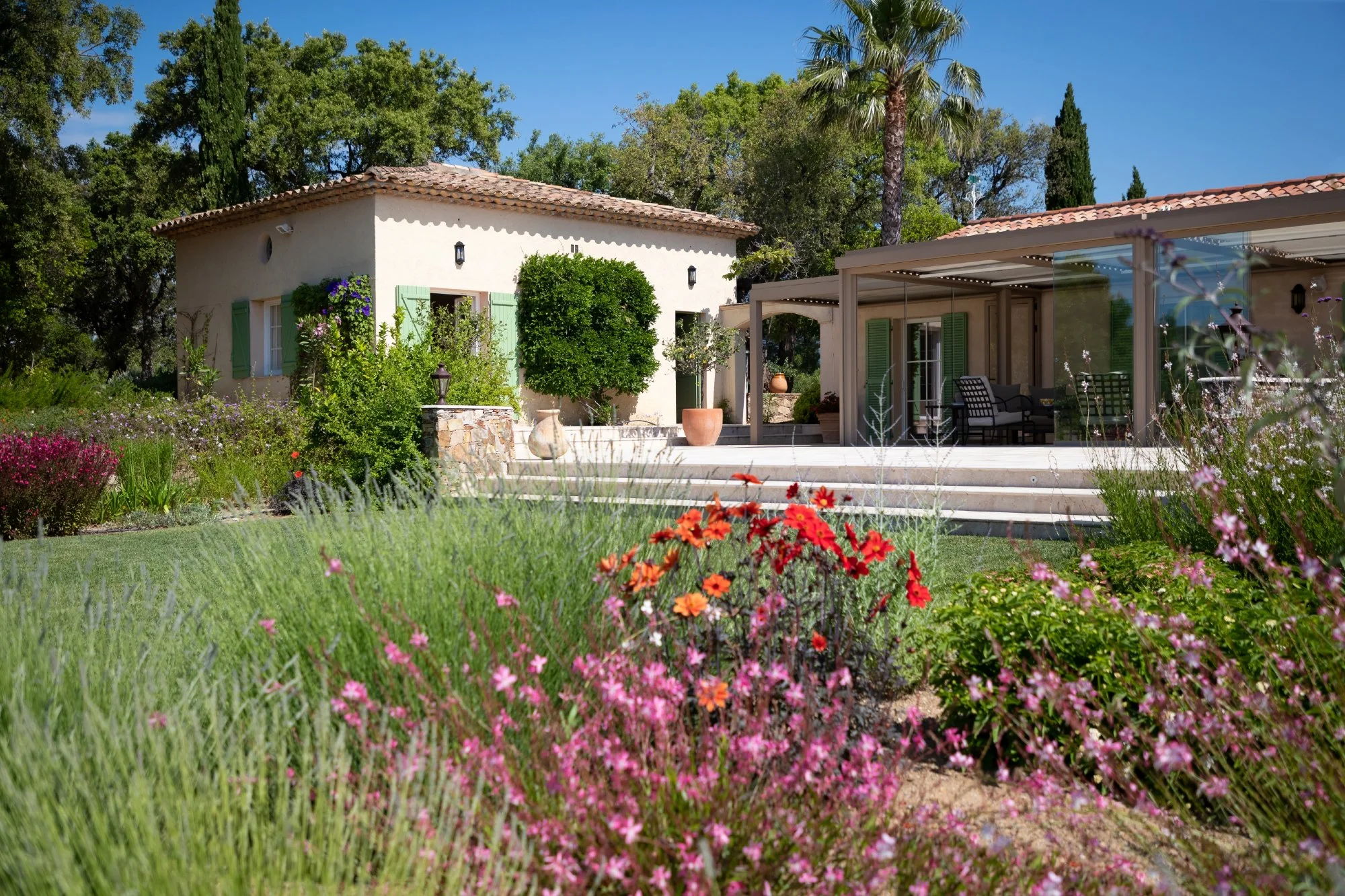
The launch of NTL Trust’s Real Estate Hub is a timely answer to this rising interest: a refined platform for those who are thinking forward in 2025.

Explore the future of luxury real estate at this link

Your Porto Cervo Luxury Haven - A Jewel of Contemporary Luxury

Porto Cervo Luxury Haven - A Jewel of Contemporary Luxury Overlooking Porto Cervo

Perched elegantly above the shimmering waters of Porto Cervo, this exclusive villa is the epitome of refined luxury. Just a leisurely stroll from the heart of the village, it blends modern sophistication with the unmistakable charm of the Mediterranean. Here, natural stone, lush greenery, and breathtaking coastal vistas come together to create an unparalleled retreat along the famed Costa Smeralda.

Spanning an impressive 1,350 square meters and set within 3,000 square meters of meticulously landscaped grounds, the villa offers a seamless balance of grandeur and intimacy. Each level unveils a new dimension of indulgence, designed for both relaxation and entertainment.

At its core, the villa’s open-plan living and dining area radiates effortless elegance. Floor-to-ceiling windows frame sweeping sea views, inviting the beauty of Sardinia indoors. The state-of-the-art kitchen, equipped with a pantry and a discreet staff entrance, makes hosting a dream. Step outside onto the vast verandas, where alfresco dining spaces overlook a cascading, multi-tiered swimming pool - each terrace revealing yet another mesmerising perspective of the coastline. The lower level boasts a private wellness sanctuary, complete with a fully equipped gym, spa, massage rooms and an outdoor Jacuzzi. A dedicated cinema room and an exquisitely stocked wine cellar set the scene for leisurely evenings steeped in comfort and sophistication.

There are 6 lavishly designed bedrooms all with en-suite bathrooms and private terraces, where the gentle Sardinian breeze whispers of endless summer days.
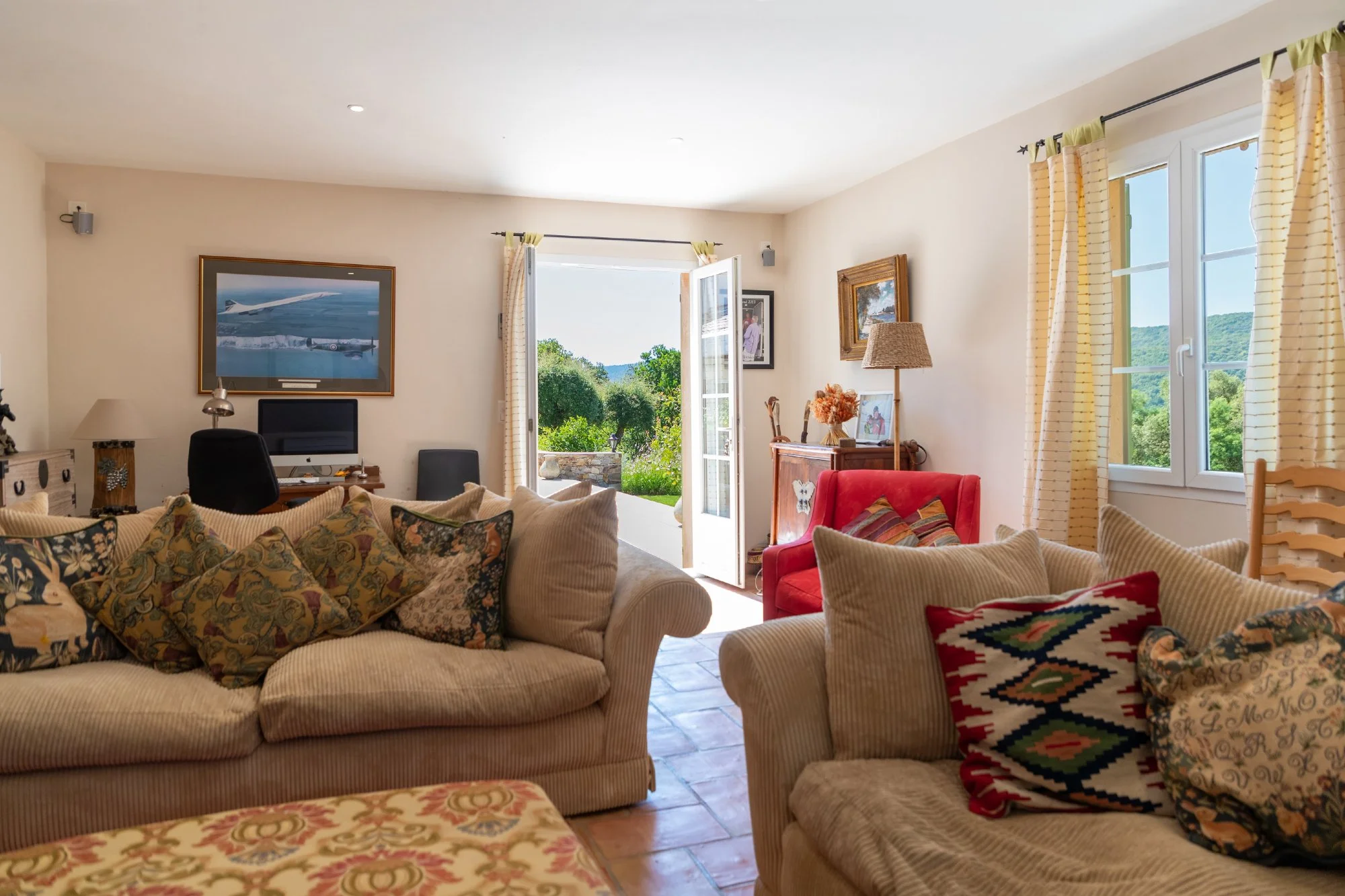
Every detail of this villa has been thoughtfully considered - luxury toiletries and fresh orchids adorn each bathroom, while a professional-grade kitchen and discreet staff quarters ensure seamless hospitality. Whether basking in the Mediterranean sun by the pool, indulging in a spa treatment, or sipping a fine vintage beneath a starlit sky, this villa is an invitation to embrace Porto Cervo at its most exquisite.

When you book your stay with us, no request is too extravagant. Porto Cervo Luxury Haven exemplifies our commitment to delivering the same lavish lifestyle service in all our destinations.

 Website

Savills Monaco's Annual Market Report: Key Drivers Behind Record-Breaking Property Prices in 2025

Savills Monaco's Annual Market Report: Key Drivers Behind Record-Breaking Property Prices in 2025

Uncover the key drivers behind Monaco’s record-breaking property prices in our Monaco Spotlight – Prime Residential 2025. Discover more..

Gain exclusive insights into the trends, demand dynamics, and market influences propelling this luxury destination to new heights, solidifying its position as a destination of choice for prime residential real estate.

For more information, please contact Savills Monaco at (+377) 97 70 42 00