Entrepreneur

Five Critical Risks to Wealth, Reputation and Business Continuity

Five Critical Risks to Wealth, Reputation and Business Continuity

By Richmond Park Associates
The modern international entrepreneur operates within an environment characterised by unprecedented mobility, connectivity and opportunity. Business owners may simultaneously maintain residences in multiple jurisdictions, invest through complex corporate structures, conduct transactions across borders and rely extensively on digital infrastructure to manage commercial affairs. While these developments have created new avenues for wealth generation, they have also generated a corresponding expansion in legal and commercial risk.

Traditionally, high-net-worth individuals have focused their risk management strategies on investment performance, taxation and succession planning. Increasingly, however, some of the most significant threats arise from less visible vulnerabilities. Cyber incidents, reputational harm, inadequate insurance arrangements, transaction fraud and cross-border legal disputes are capable of causing substantial financial and operational disruption even where underlying businesses remain commercially successful.

What distinguishes these risks is their interconnected nature. A cyber breach may trigger regulatory investigations, litigation and reputational damage. A failed transaction may expose weaknesses in contractual protections and payment mechanisms. A public dispute may undermine commercial relationships that have taken years to establish.

Against this background, understanding the principal legal and commercial risks facing internationally mobile entrepreneurs has become an increasingly important component of wealth preservation and business continuity.

Cybersecurity as a legal and commercial risk

Cybersecurity has evolved beyond its traditional role as a technical concern. It is now recognised as a governance issue with significant legal, regulatory and reputational consequences.

The increasing digitisation of commercial activity has expanded the range of potential vulnerabilities available to malicious actors. Business email compromise, ransomware attacks, data theft and executive impersonation schemes have become common features of the modern threat landscape. High-net-worth individuals are particularly attractive targets because they frequently control substantial financial resources and maintain extensive professional networks.

The legal implications of a successful cyberattack may be considerable. Depending upon the jurisdiction involved, businesses may face reporting obligations, regulatory scrutiny and potential civil liability arising from compromised personal or confidential information. Where customer or investor data is affected, claims may arise not only from direct financial losses but also from alleged failures in governance and risk management.

Importantly, cyber incidents rarely remain confined to technical systems. They often become public events that affect stakeholder confidence and commercial relationships. As a result, cybersecurity increasingly occupies a central position within broader corporate risk management frameworks.

Reputation as a commercial asset

For many entrepreneurs, reputation represents one of their most valuable yet least protected assets. Historically, reputational harm developed gradually through traditional media coverage or professional networks. Today, information can be disseminated globally within minutes through social media platforms, online publications and digital communication channels.

The legal dimensions of reputation management have expanded accordingly. Defamation, privacy breaches, misinformation campaigns and unauthorised disclosures of confidential information may all give rise to legal remedies. Nevertheless, successful litigation does not necessarily restore commercial confidence once reputational damage has occurred.

Investors, lenders, business partners and prospective clients routinely conduct extensive due diligence before entering commercial relationships. Public allegations, regulatory investigations or adverse publicity may therefore influence commercial decision-making even where no wrongdoing has been established.

This reality has encouraged organisations to adopt more proactive approaches to reputation management, integrating legal advisers, communications specialists and cybersecurity professionals into broader crisis response strategies.

The continuing importance of transaction security

Cross-border transactions remain a cornerstone of international commerce. Whether involving the acquisition of a business, the purchase of real estate or the transfer of valuable assets, significant transactions often depend upon a high degree of trust between parties operating in different jurisdictions. However, international transactions frequently present legal and practical challenges. Differences in legal systems, regulatory requirements and enforcement mechanisms can complicate even relatively straightforward agreements.

Transaction fraud has become a growing concern. Cybercriminals increasingly target payment processes through email interception, invoice manipulation and identity impersonation schemes. In many cases, substantial funds are transferred before irregularities are identified.

Against this backdrop, escrow arrangements have assumed greater importance as a risk mitigation mechanism. Independent escrow structures can protect by ensuring that funds are released only when specified contractual conditions have been satisfied. While escrow arrangements do not eliminate commercial risk, they may significantly reduce exposure to fraud, non-performance and contractual disputes. For entrepreneurs engaged in high-value cross-border transactions, payment security is increasingly regarded as a fundamental component of transaction planning rather than a secondary administrative consideration.

Insurance and the protection gap

Insurance remains one of the most frequently overlooked aspects of risk management among successful entrepreneurs. Many individuals assume that existing insurance arrangements provide adequate protection against evolving commercial threats. In practice, significant gaps may exist between perceived and actual coverage.

The emergence of cyber risk illustrates this challenge. Traditional insurance policies may not automatically respond to losses arising from ransomware attacks, business interruption following a cyber incident or liability associated with data breaches. Similarly, reputational harm often generates financial consequences that extend beyond the scope of conventional insurance products.

International business operations can further complicate coverage issues. Assets located in multiple jurisdictions may be subject to different regulatory requirements and insurance frameworks. Disputes may arise regarding applicable law, policy interpretation and the territorial scope of coverage. From a legal perspective, inadequate insurance may transform manageable incidents into substantial financial exposures. Consequently, regular review of insurance arrangements has become an increasingly important element of corporate governance and personal wealth protection.

Cross-border legal complexity

The internationalisation of business activity has created legal challenges that extend far beyond traditional commercial disputes. Entrepreneurs frequently operate through multinational corporate structures, maintain assets across several jurisdictions and engage with counterparties governed by different legal systems. While such arrangements may offer commercial advantages, they can also create significant legal uncertainty.

Jurisdictional disputes, conflicting regulatory obligations and enforcement challenges remain common features of cross-border litigation. Questions concerning applicable law, recognition of foreign judgments and dispute resolution mechanisms can materially influence both the duration and outcome of legal proceedings.

These issues become particularly significant during periods of financial distress or commercial conflict. A dispute that appears straightforward within one jurisdiction may become considerably more complex once multiple legal systems are engaged. Effective legal planning therefore, requires consideration not only of domestic legal requirements but also of the broader international environment in which modern businesses operate.

Conclusion

The risk landscape confronting international entrepreneurs has evolved significantly over the past decade. While traditional concerns such as taxation, investment performance and succession planning remain important, newer forms of legal and commercial vulnerability increasingly demand attention. Cybersecurity incidents, reputational threats, transaction fraud, insurance deficiencies and cross-border legal disputes share a common characteristic. Each has the potential to generate consequences extending well beyond the immediate event itself. Financial losses may be accompanied by regulatory scrutiny, litigation exposure and lasting damage to commercial relationships.

For high-net-worth individuals and internationally active businesses, effective risk management is therefore no longer confined to protecting assets. It requires a comprehensive understanding of how legal, technological and commercial risks interact within an increasingly interconnected world.

Richmond Park Associates advises entrepreneurs, family offices and internationally active businesses on identifying and mitigating legal, regulatory and commercial risks, including cybersecurity, reputational threats, transaction security, insurance exposure, and cross-border disputes, with a focus on protecting wealth, preserving business continuity and supporting long-term strategic objectives.

Contact - Richard Park Associates

Email
Website
LinkedIn
Instagram
Twitter

Volta Magazine Exclusive - Irene Vantaraki – Ξ‘ Mastermind Behind Global Networking

An Interview with Irene Vantaraki – International Affairs Strategist - Ξ‘ Mastermind Behind Global Networking

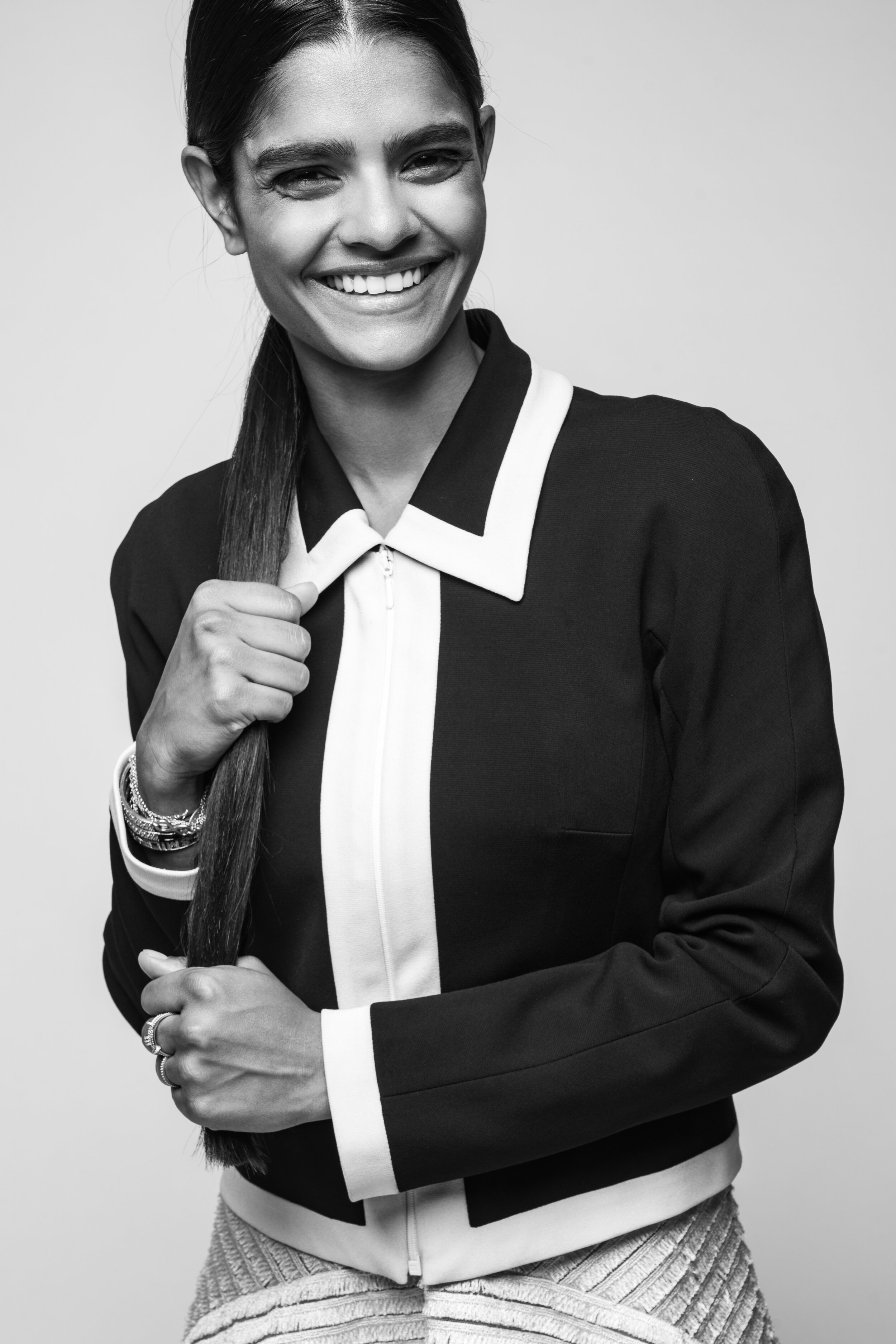
Irene Vantaraki is a pioneering entrepreneur and lobbyist whose vision and determination have earned her international recognition. As the driving force behind "Monaco Day" and the "Greek House" in Davos during the World Economic Forum, Irene has gained a reputation for organizing high-profile events that foster dialogue, innovation, and collaboration. As a single mother who raised her son on her own, Irene's story is one of resilience and perseverance. Through hard work, she managed to establish a successful company that hosts world-class events at the Davos Lodge, bringing together global leaders, politicians, and innovators to tackle critical challenges.

Her leadership in organizing β€œMonaco Day” reflects her commitment to creating platforms that blend economic excellence, sustainability, and technological advancement. Her passion for meaningful discussions and transformative solutions makes her a dynamic figure and an expert in International Affairs Strategy. As she says with the quote by Theodore Roethke: "What we need are more people who specialize in the impossible."

Irene shares with us her journey, the challenges she has faced, and her goals for the future, offering a unique insight into the values and philosophy that guide her work and life.

How was the idea for Greek House Davos born, and what was the biggest obstacle you faced?

The idea for Greek House Davos was born from a deep personal reflection on the direction we want to take for the future of Greece and the next generations. The need to reshape Greece’s image internationally and strengthen its economic position became my goal as well. Through my travels, I observed entrenched perceptions of our country, often seen as economically weak despite its cultural richness. The biggest obstacle was overcoming these stereotypes. The current reality shows that some companies wield more power than certain nations. This raises concerns about Greece's position on the global stage. Greece needs to strengthen economically while addressing environmental and geopolitical challenges, particularly the environmental crisis that will impact the Mediterranean over the next 30 years. At the same time, it must preserve its identity as a bridge between East and West. Greek House aims to promote a resilient Greece, confident and wise in facing modern challenges.

How does Greek House Davos operate, and what is its vision?

Greek House is a successful international organization that, once again, will bring together prominent business leaders with a focus on Greek issues. However, its distinction is twofold, as it has emerged as one of the most influential business hubs at the annual Davos conference. Its success lies primarily in the exceptional individuals who participate and contribute to the development of innovative approaches and solutions to global issues. Furthermore, the true vision driving Greek House strengthens its ability to influence international developments. By creating a platform where leaders can exchange ideas, Greek House facilitates the dissemination of Greek ideas and culture while simultaneously promoting the Greek economy on a global scale.

Monaco Day: What is the main vision behind organizing this event in Davos?

Monaco Day combines Monaco's ambition with its commitment to shaping a better future. The vision is to position Monaco as a dynamic hub of financial leadership, sustainable innovation, and global collaboration. The event highlights Monaco's strategic role in addressing global challengesβ€”whether in finance, sustainability, energy, or technological advancementsβ€”while strengthening its influence as a center of innovation, culture, and luxury.

What were the key milestones in your career, and how did they shape you?

From a very young age, I felt a strong desire for independence and autonomy, and continuous learning has always played a central role in my life. At the age of 19, I combined my studies with working in the family office of a major shipping family, where I worked alongside the vice president. I consider this experience to have defined my professional profile for an international career, offering me knowledge and skills I could not have gained elsewhere. Amid the challenges and difficulties of the work environment, I found a space to grow and improve, building the future I had always dreamed of.

What is the biggest challenge you have faced as a woman in a male-dominated field like lobbying?

The biggest challenge was overcoming the stereotypes associated with my gender and managing doubt. I had to constantly prove my worth through hard work, knowledge, and professionalism. However, these difficulties made me more resilient and determined to achieve my goals and earn respect. Women have made progress in terms of equality and independence, but we still face challenges and stereotypes rooted in past eras.

You communicate and collaborate with internationally renowned entrepreneurs. Can you share the unique qualities of some personalities?

Throughout my extensive career, I have had the great honor of meeting many significant personalities, but none has left as profound an impression on my heart as Ecumenical Patriarch Bartholomew. Dedicated to peace, ecology, and the unity of Churches, his work transcends religious boundaries, influencing societal issues. With wisdom and humility, he unites diverse religious traditions, serving as a model of leadership and a source of inspiration for all. I am grateful to have had the opportunity to stand by him and learn from his gentle yet powerful presence.

Which women do you admire and why?

I admire two women immensely. First, Georgette Moshabaher, founder of La Prairie, diplomat, and successful entrepreneur, who combined the business sector with international diplomacy. She possesses all the qualities I admire in a woman: sharpness, leadership, justice, and a love for life. The second is the wife of a leading entrepreneur, who together with her husband, has built a vast empire, and is the driving force behind his success. These two women, with their unique contributions, showcase the strength and complexity of the female nature.


What are the keys to success? Would you like to share an example from your own life?

Success in the professional world never comes suddenly, and there is certainly no magic key to unlock it. For me, success means having access to numerous opportunities in our career. After years of hard work and effort, we can confidently say that a professional path has stabilized. However, we are fully aware that nothing is guaranteed, and our struggle to stand out on the international stage is ongoing. Our experience from our offices in Switzerland has proven to be crucial, as it has opened the door to a global market and secured the international recognition we sought. This recognition is not the result of chance, but a product of hard work and relentless persistence. The need for continuous development is imperative, as conditions in the global market are constantly changing.

How does a woman, a single mother, manage to succeed in such a demanding professional field?

The strength of a mother is uniqueβ€”she builds a bridge of resilience with every challenge she faces and crosses it with love and determination. A mother raising her child alone can succeed in a demanding professional field by drawing from her inner strength, setting proper priorities, and treating every obstacle as a lesson. My ability to balance roles with grace and persistence is a daily testament to this strength. Finally, my deep faith in God helps me view life as a miracle.

Interview: Fotini Androulaki
Photography: Math Studio/ Marios Theologis
Make up: Maria Vogiatzi

Vivanova People - An Interview with the Creator of Villa Monaco and Serial Entrepreneur Jessica Stockmann and Daughter Nisha Stockmann

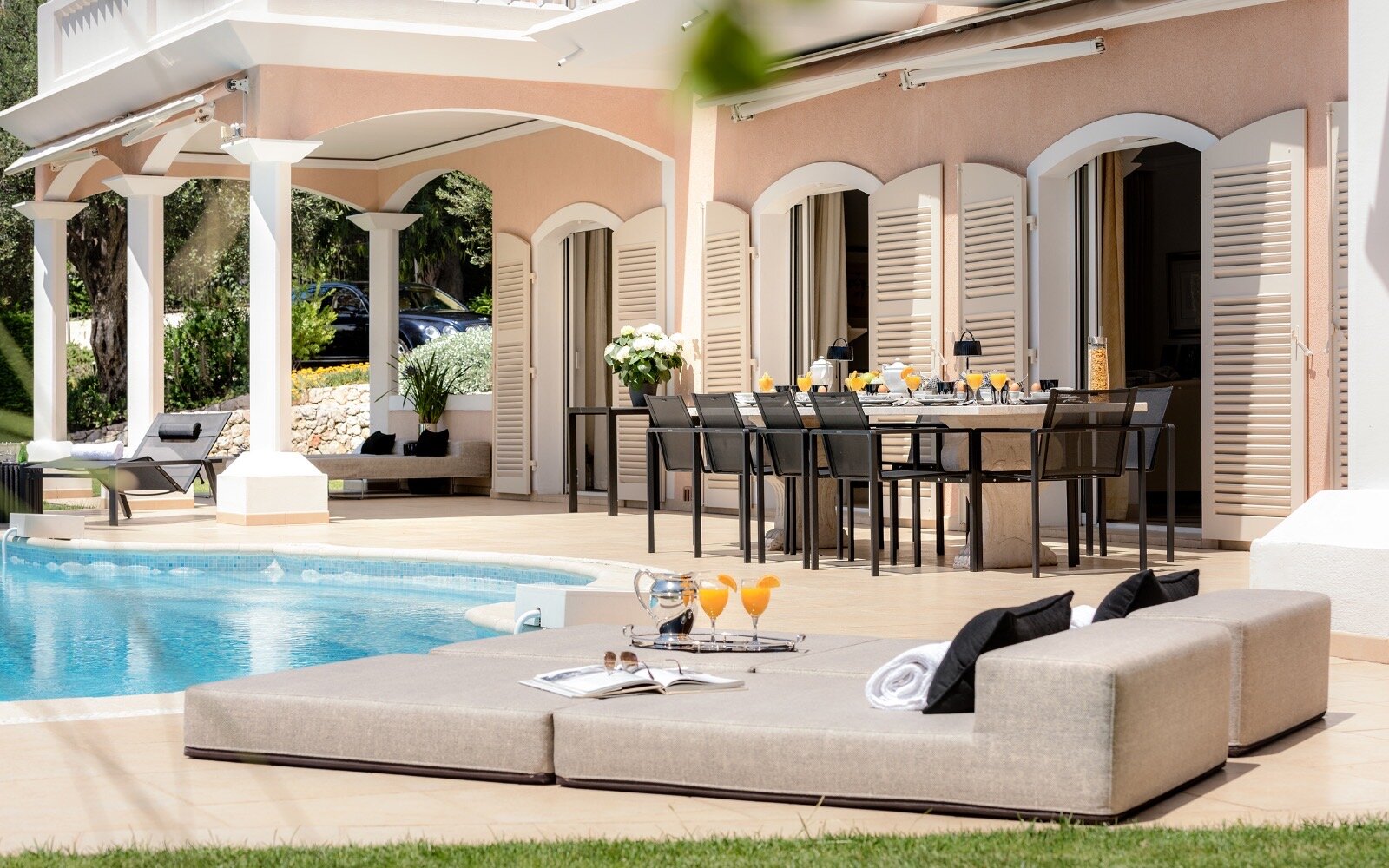
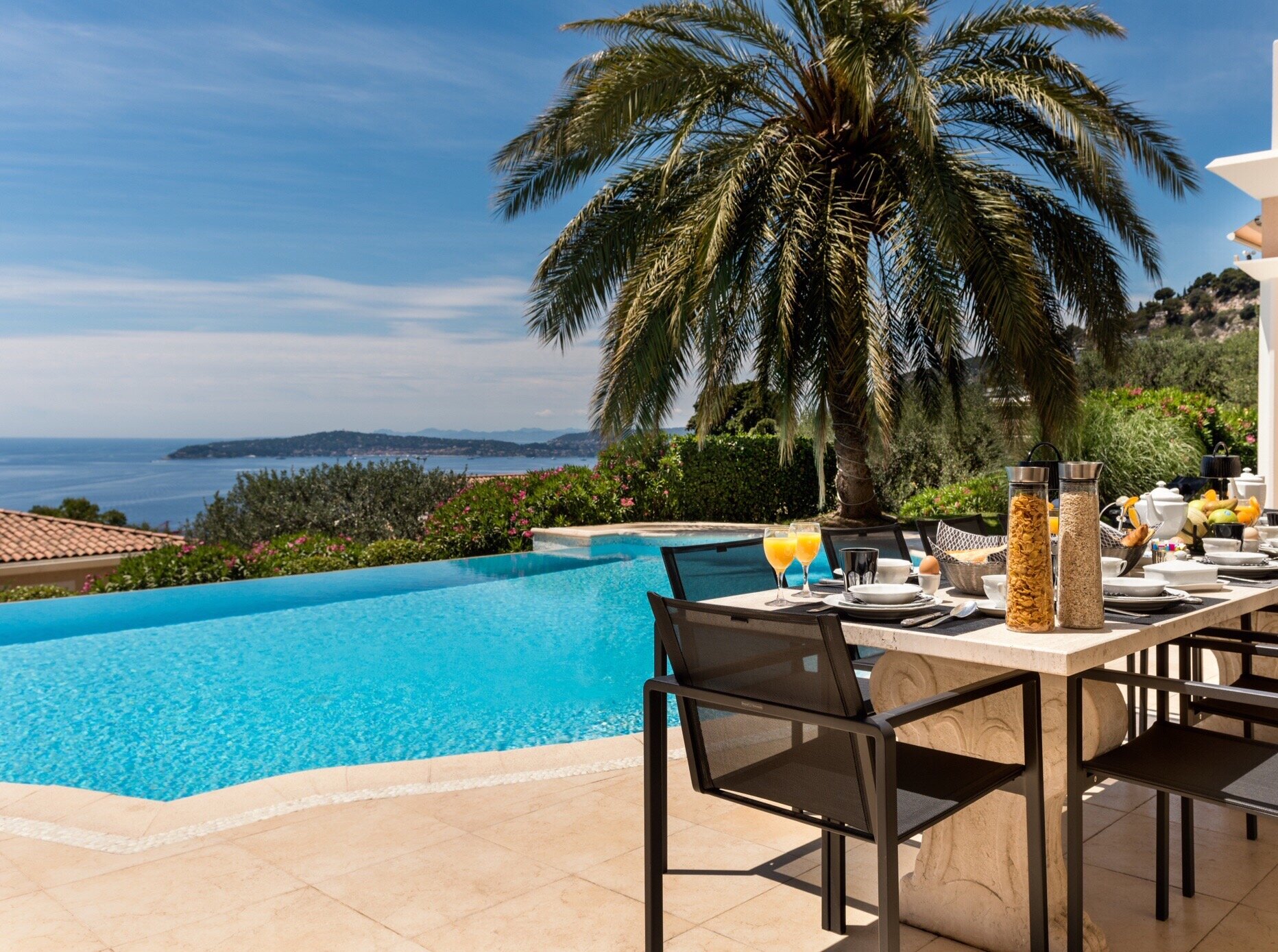
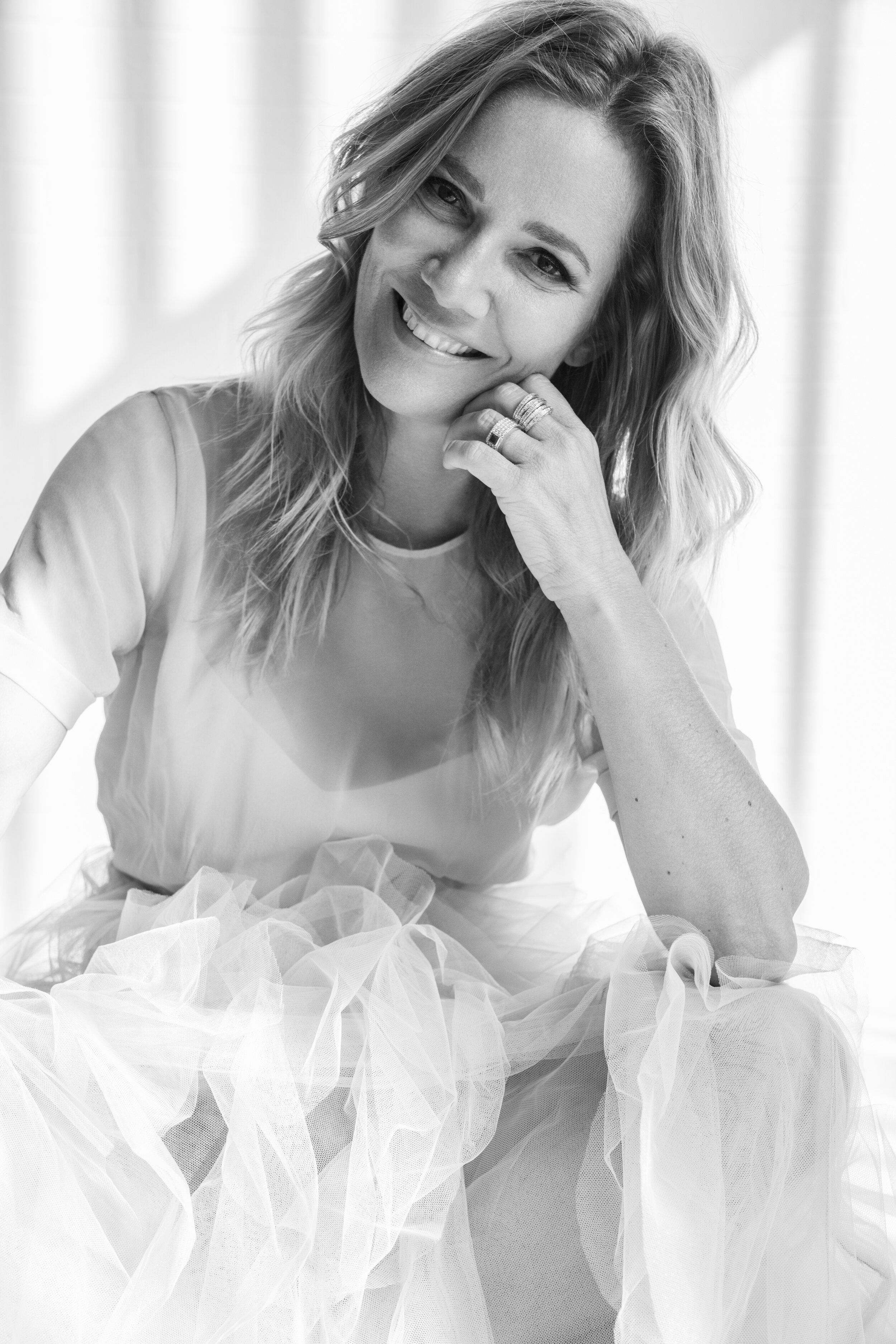
Both Jessica and Nisha Stockmann are incredible women, bound by blood and the strong belief in working hard to achieve greatness. Our Platinum Partner Villa Monaco is the Principality’s neighbour and the brainchild of Jessica Stockmann, a rare property of 4,000 sqm overlooking the Mediterranean Sea. Club Vivanova interviews both Jessica and Nisha to find out more about the passion and drive behind their success.

Jessica Stockmann - could you describe why and how you created and developed Villa Monaco.
Originally I built the Villa for myself meaning my children and my parents and my friends. I wanted to create a holiday hideaway where 3 generations get together, feel at home and spend quality time together. We celebrated many parties and had so many friends staying with us. Constantly a full house but with good vibes only. More and more often I was asked if I could rent Villa Monaco for special occasions or to my celebrity friends who wanted to hide from the paparazzi and just feel good energy and the vibes at our home and that was the beginning of Villa Monaco as 5* luxury hideaway.

Tell us something about you and the motivation behind your successful career.
When I am motivated to create something special, nothing can stop me. I am full of ideas and enjoy the creative ride and am blessed that I am not scared to take risks. If you believe in something then it doesn’t feel risky it only feels right. And if the willpower is big enough then a week of 72 hours of work does not feel wrong. On the contrary, it makes you feel better and you gloom like a flower who suddenly got more sun and more fertilizer than ever before.

What would you suggest to a young woman planning an international career, some tips and advice.
Think outside of the box. Listen to your heart and your soul. Keep your eyes open and use every chance you can get to learn and make experiences. Something you would like to create for your own is not only for you. Also, other people will appreciate it one day and want to have it too but they were maybe not as brave as you are. Being international does not only mean speaking many languages, it also means keeping your eyes and ears open and understand different cultures and traditions and the needs or dreams and wishes people have. Whenever you create something that people need or want then you are on the right track.

What were the challenges you had to face while developing as a female entrepreneur?
Being a woman in a man's world like the real estate business was not easy in the beginning but I also think that it’s easier for a woman to sell dreams than for a man. If you are authentic as a woman and don’t try to behave and act or sell a project as a man would do, you will find your clients easily if you don’t try to pretend to be someone else. Fortunately, in the luxury segment, I believe it’s a plus to be a woman. Women were always known to fall in love with very special jewels. Looking back the past centuries the history taught us that the most extraordinary diamond jewels were made for women and not for men. A luxury real estate is a jewel and who could create and sell it better than a woman?

What goals do you have for the future?
I want to learn from the new generation. I have experience and in some ways β€žknow-howβ€œ but the new technology opens so many doors. I am not afraid of those doors, they fascinate me. I always ask my children what is important for them and I realize they have different interests than I had when I was in my twenties. But I love the way they think and I would never say β€žleave me alone with your ideasβ€œ. The values are still the same, they don’t change, but our life has changed due to the internet, global warming etc. It’s constantly a challenge to stay happy and we can only do so if we listen to the very young and the very old population. In the end, we all live together on this planet. We only need to find a way that we can all live together happily. I believe in traditional ways but I also believe that the future has so much to offer for all of us.

Give us a quote by yourself to put in the article.
Creating a home, a castle, a real hideaway which you never want to leave - that’s real luxury and that’s our goal. I don't measure myself against others, I just want to outdo myself and keep getting better with each property I create.

Nisha Stockmann - briefly tell us about yourself and your career.
When I was six I started to get on my mum's nerves because I always wanted her to take me to her construction sites. Seeing the process of creating a castle made me feel like a princess walking into a wonderland. When I got older I realized that it’s always a team effort. I loved watching people working hand in hand. And new ideas were created. I once said to my mum: β€žimagine a TV would be hidden like a treasure and no parent would know that there is a TV in the kid's roomβ€œ. And you know what my mum did? She built a hidden TV in the ceiling that comes out of the ceiling with an electric remote. It looked like a James Bond movie. And that was the moment where I realized: Everything is possible. You only need to know your desires and dreams and then you can make them happen and that’s what made me decide at a very young age that I wanted to become an architect and designer.

How are you inspired by your mother?
My mum never tried to convince me to go into real estate but she constantly told me to open my eyes and be aware of how to spend my time. She said if you enjoy playing the piano for 10 hours a day then go for it and become a professional piano player. The most important thing is to find something you enjoy-a real passion. Luckily I developed a similar passion as my mum. Being creative but as a new generation. In my generation, we think more about sustainability and what is necessary. It’s not only a trend to look at in the future. It fascinates me what is possible when it comes to sustainable building and at the same time focusing on new designs and technology.

What are your aspirations for the future?
I want to create something that is still usable and modern and up to date even 50 years from now. I know it’s a very high goal but as I learned β€žnothing is impossible if you believe in itβ€œ.

Villa Monaco
9 Chemin des Eucalyptus
06320 Cap d’Ail
+33 680 864 109
Email
Website

Interviewed by Aakash Damani
International University of Monaco