Guide

Building Permit in France: How to Apply in 8 Steps (2026 Guide)

How to Obtain a Building Permit in France: Step-by-Step Guide

First, let’s clarify one thing: not every construction project in France requires a building permit. In some cases, a Déclaration Préalable (DP) is enough, and for minor works, no formal administrative authorization may be necessary. For a detailed comparison, see our article: Building Permit or Déclaration Préalable: Which One Do I Need in France?

If your project does require a building permit, how should you proceed?

Hire an Architect: The Simplest Way to Obtain a Building Permit in France

The easiest and most reliable solution is to hire an architect. An architect will manage all the steps of your project—from preparing the building permit application to handling all communications with local planning authorities, including the municipal technical services and planning department.

At DN Architectes, we not only prepare the entire building permit dossier, but we also ensure smooth coordination with authorities to avoid delays or complications.

If you prefer to handle the process yourself, follow this step-by-step guide

Step 1: Define Your Project

Start by clearly defining your project:

• Is it new construction, a renovation, or an extension?

• What habitable area do you plan?

• How many rooms, parking spaces, or outbuildings?

• Will there be a garden, swimming pool, or other exterior features?

A clear program will make it easier to prepare your building permit application.

Step 2: Check Planning Regulations

Your project must comply with either the PLU (Plan Local d’Urbanisme) or the RNU (Règlement National d’Urbanisme):

• Small villages: Call your city hall to check if a PLU exists. If not, your property falls under the RNU.

• Larger towns/cities: Most have a PLU.

Tip from DN Architectes: Request a Certificat d’Urbanisme (CU). This free certificate lists all planning rules and constraints applicable to your site and is an essential reference for your project.

Step 3: Study Site-Specific Rules (Graphics First, Then Text)

Once you know which regulation applies, study all site-specific rules carefully.

• If under RNU: consult Legifrance – RNU

• If under a PLU: search "PLU + [municipality name]". For example: "PLU Roquebrune-Cap-Martin"

Step 3a – Start with graphic documents:

• Review maps, plans, and diagrams.

• Identify your parcel and note all relevant features: zoning, flood risk areas (PPRI), soil movement risks, protected heritage zones, and any other site-specific conditions.

Step 3b – Then study the written regulations:

• These documents explain the rules that apply to what you see on the graphic plans.

• Carefully note all applicable constraints and requirements.

The examples above are illustrative; your site may have additional constraints. Make sure to review all plans and textual documents in full.

Step 4: Design Your Project

Design your project taking into account all the planning rules and site-specific constraints you have identified. Accurate plans now will save time later in the building permit process.

Step 5: Optional Pre-Consultation

It’s highly recommended to schedule a pre-consultation appointment with local urban planning authorities. Present your project and get feedback before submitting your application. This step can prevent potential issues and speed up approval.

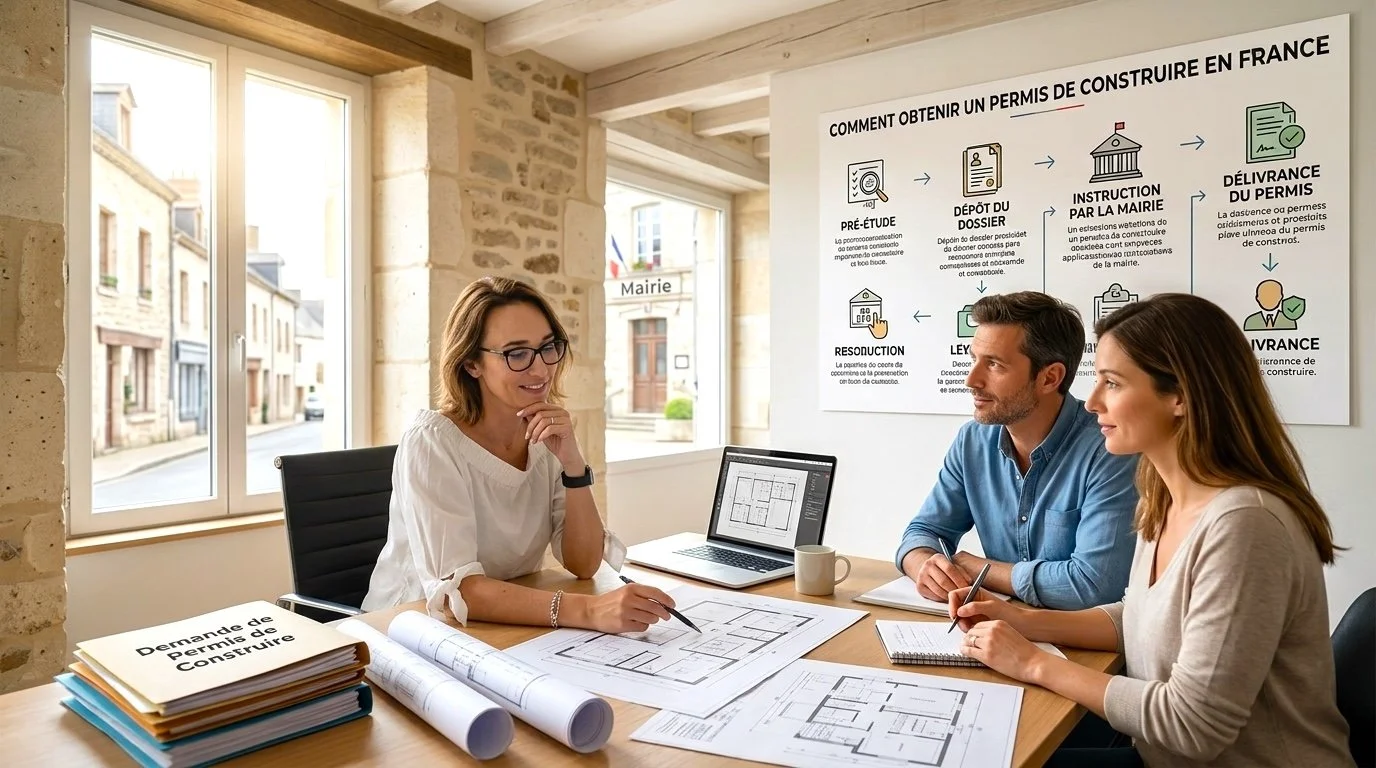
Step 6: Prepare Your Building Permit Application

Your building permit application typically includes:

• Site plans and façades

• Landscape integration section

• 3D visualizations with site integration

• Written project description

• Photos of your property (close-up and distant views)

• Other documents required by local rules

Tip from DN Architectes: Start by downloading the Cerfa form n°13406*, which is the form used for building permits for private houses. The exact number (for example 13406*15) changes regularly because Cerfa forms are often updated, so always download the most recent version from the official government website.

Even if your municipality uses an online submission platform, this Cerfa remains extremely useful: it lists, in one place, all the documents and information the authorities will require you to provide. If your project is not a private house (for example a multi-unit building or a commercial project), you will need to use a different Cerfa, but the same principle applies.

Step 7: Submit Your Application

• Online submission is common in France.

• Some smaller municipalities still require paper submission.

• Ensure the correct number of copies if submitting in paper form, as indicated in the Cerfa form.

Step 8: Wait for Approval

After submission, authorities may request additional documents within the first month. You have 30 days to provide them.

Once your file is complete, you will receive:

• Building permit approval within 2 months for private houses

• 3 months for other projects

In some cases, the process may take longer.

Make the Process Easy with DN Architectes

As you can see, obtaining a building permit in France can be complex.

At DN Architectes, we guide you at every step - ensuring your project meets all legal requirements and receives approval smoothly.
Website
Instagram
Facebook

Your Luxury Yacht Charter Starts Here - With CharterWorld As Your Guide

Your Luxury Yacht Charter Starts Here

With CharterWorld as your Guide

A yacht charter often begins months before you step aboard. Choosing the yacht, exploring destinations and discussing everything from restaurants and watersports to how you enjoy dining on board, all build a sense of anticipation.

And while there are contracts, payments and practicalities involved, an experienced charter broker takes care of the complexity, transforming a yacht booking into an extraordinary, tailor-made journey.

Start with what you want from your charter

You don't need to know which yacht you want – or even exactly where you want to go.

The first conversation with your broker is about you: who you are travelling with, when you want to go, your approximate budget and, most importantly, how you imagine spending your time.

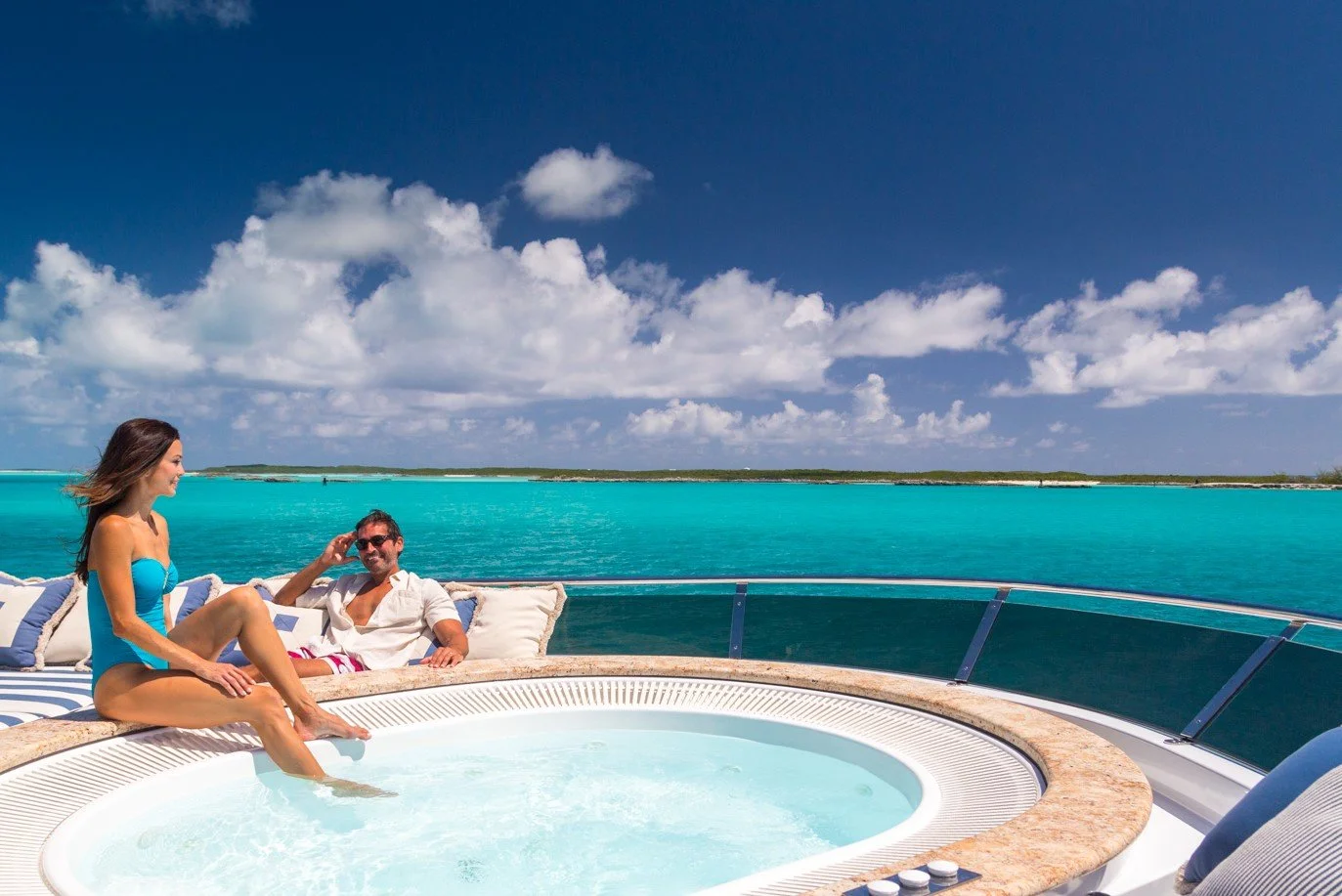
Perhaps it's a family holiday with children and grandparents, a week of watersports and long lunches with friends, or a special celebration. You might already have your heart set on Greece or the Caribbean, or simply know that you want sunshine, beautiful places and plenty to do.

Your broker turns those ideas into a shortlist of yachts and destinations, and this is where the experience starts to take shape.

When should you book?

For the greatest choice, six to twelve months ahead is a good guideline, particularly for popular yachts and peak dates such as July and August in the Mediterranean or Christmas and New Year in the Caribbean.

Booking early gives you time to explore the possibilities rather than simply secure availability. You can compare yachts, discuss different cruising areas and start imagining what you might do once you're there.

But a yacht charter can also be wonderfully spontaneous. Last-minute availability does come up and, if you are flexible about dates, destination or yacht, your broker may be able to uncover an excellent opportunity at short notice.

Finding your yacht

Selecting a yacht is about far more than length, number of cabins or photographs.

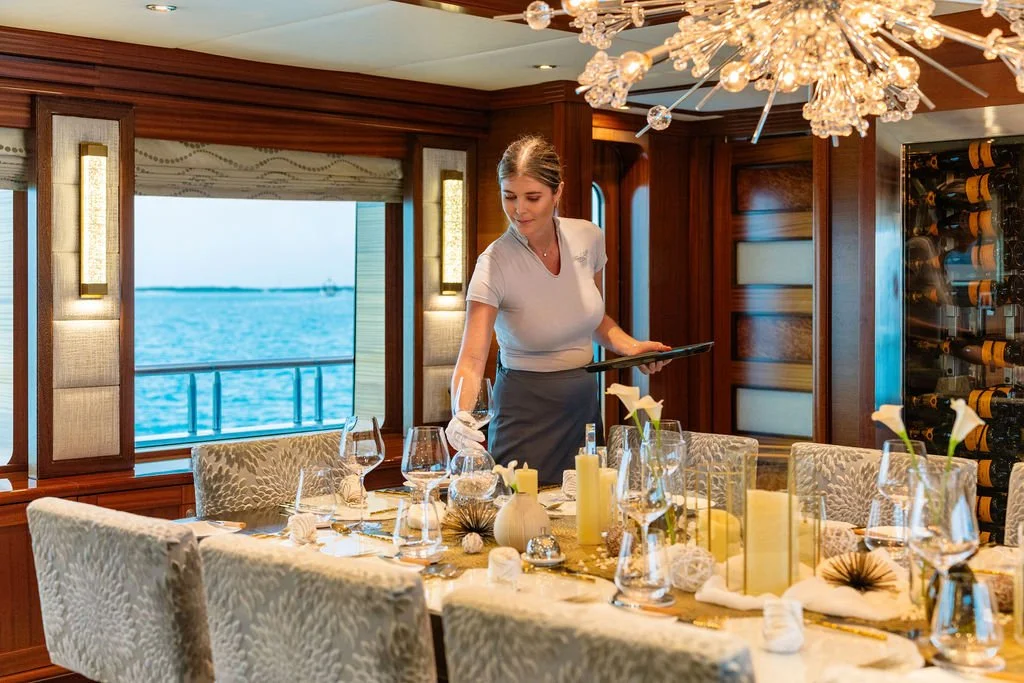
The crew, layout, amenities and atmosphere on board all matter. One yacht might have an exceptional watersports programme, another a brilliant chef or expansive outdoor spaces that make it particularly good for families and entertaining.

A broker's first-hand knowledge is invaluable here. CharterWorld brokers inspect yachts, meet their crews and attend yacht shows around the world, giving clients insight that goes beyond an online listing.

Together, you can narrow down the options until you find the yacht that feels right.

Securing your charter

Once you've chosen, the practical side begins. A charter agreement confirms details including the yacht, dates, cruising area, charter fee and payment schedule.

An initial payment is generally made when the contract is signed to secure the yacht, with the remaining balance and other agreed funds payable before departure. Exact terms vary between charters, and your broker will guide you through the details.

You will also encounter APA – Advance Provisioning Allowance. Usually calculated as a percentage of the charter fee, often around 30–40%, this provides the yacht with funds for expenses incurred during your individual charter, such as fuel, food and drink and marina fees.

APA isn't an additional fee retained by the yacht. The captain manages the account, and any unused funds are returned at the end of the charter.

Perfecting the details

With the yacht secured, the conversation becomes increasingly personal.

Your broker and crew will want to know how you like to travel: favourite foods and drinks, dietary requirements, activities you enjoy, places you'd love to visit and anything you're celebrating while aboard.

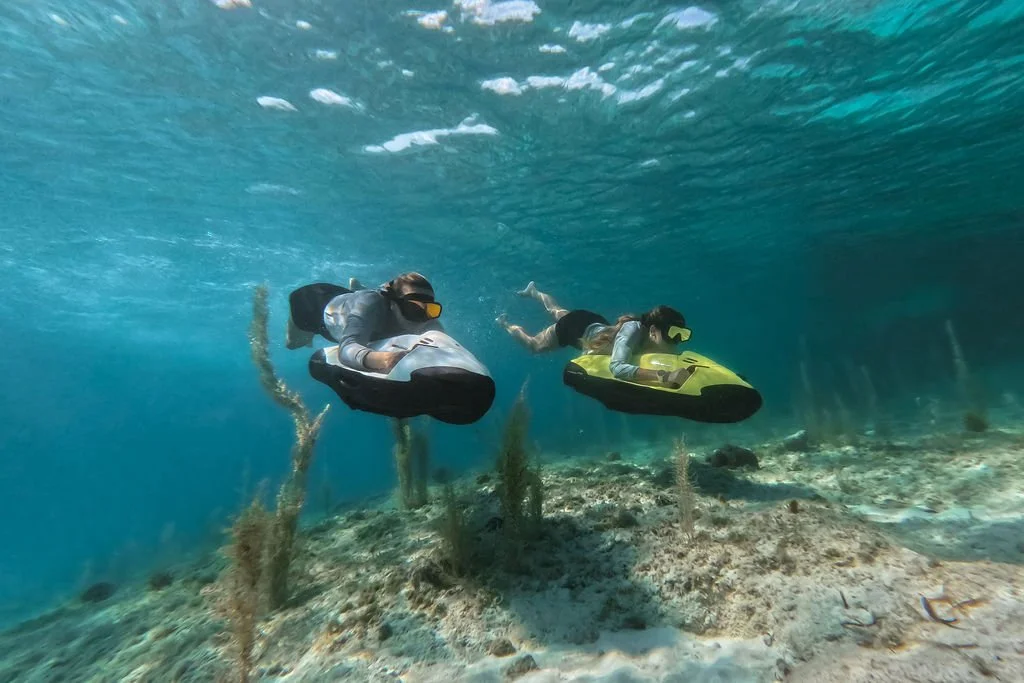
This is also when the itinerary comes together. You might discuss restaurants worth reserving, bays that are particularly good for swimming, beach clubs, historic towns, diving spots or places that are best explored from the yacht's tenders.

The itinerary remains flexible. Weather and sea conditions play their part, but so can your mood. If everyone loves somewhere, you can stay. If another island sounds more appealing, plans can change.

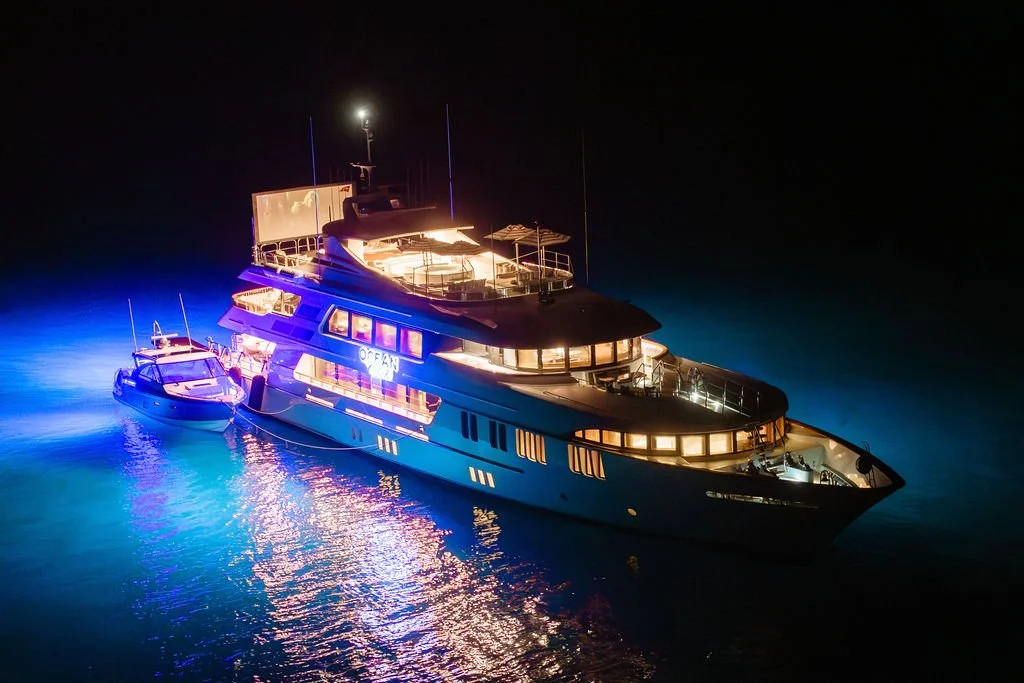
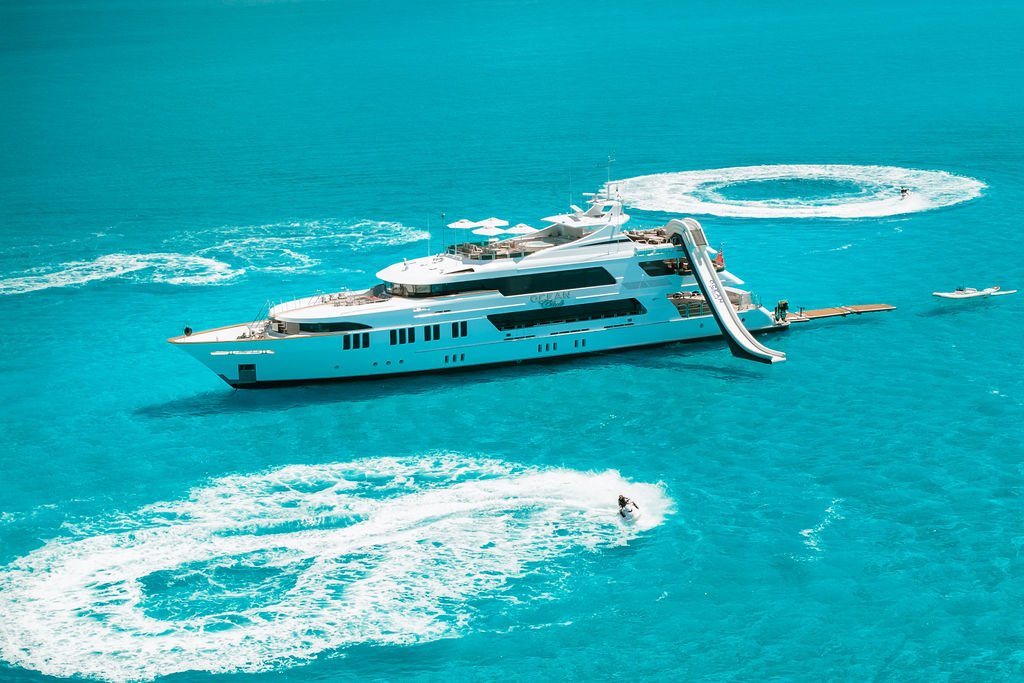
As Captain Leigh Love of motor yacht OCEAN CLUB explains, “We make a point of getting to know each family’s interests before they arrive so that we can tailor activities to suit the ages and personalities of everyone onboard.” She continues, “Whether it’s treasure hunts on a tropical beach, obstacle courses on the yacht, tubing adventures, snorkelling excursions, water sports, or themed meals, we always look for ways to create memorable experiences that bring the whole family together.”

From booking to boarding

As departure approaches, your broker works with the yacht to coordinate final arrangements, from preference information and transfers to embarkation details and special requests. Guests should check passports, visas where applicable and travel insurance, but much of the organisation happens quietly behind the scenes.

For many clients, the relationship with their broker becomes an important part of yacht charter itself. Over time, they learn which yachts you love, how your family travels, the destinations you've enjoyed and the details that matter to you.

The booking process isn't simply about securing a yacht. It's the beginning of the charter: exploring ideas, discovering possibilities and gradually turning them into a holiday created around you.

And when the day finally arrives to step aboard, all that's left is to enjoy it.

Visit charterworld.com for more inspiration.


Caribbean Vacationer? Why not a Caribbean Citizen? Here is a Comparative Guide

CARIBBEAN VACATIONER?
WHY NOT A CARIBBEAN CITIZEN?
HERE IS A COMPARATIVE GUIDE

The Caribbean has long been synonymous with dreamy vacations, boasting pristine beaches, vibrant culture, and warm hospitality. However, as the world evolves, so do our desires and aspirations. Beyond fleeting getaways, many are now considering what it would be like to make the Caribbean their permanent home because sometimes, investments in the long run pay off the most. Let’s do an exploration of the differences between vacationing in the Caribbean and getting their citizenship, uncovering the allure of transitioning from visitor to local. 

Getting there: For the vacationer seeking the perfect escape, the dry season from December to April offers ideal conditions with sunny skies and minimal rainfall. All of Caribbean five: Antigua and Barbuda, St Kitts and Nevis, Grenada, St Lucia and Dominica are well connected to all major world hubs with direct flights from US, Scandinavia, UK and Canada. Yet, this peak season comes with inflated prices for airfare and accommodations. Contrastingly, Caribbean citizenship through real estate opens the door to year-round enjoyment of the region's favorable weather, without the seasonal price spikes. Luxury real estate options like Secret Bay in Dominica cater to residents with flexible stays irrespective of the season, providing a weeklong holiday any time of the year for the investors in this boutique real estate. Wherever you come from in the world having a Caribbean passport allows you an uninterrupted holiday you can plan based solely on your wishes without worrying about paperwork, weather or prices. 

Getting around: Exploring the Caribbean as a tourist often necessitates renting a car for convenient mobility. However, navigating local regulations and obtaining a driving license can prove cumbersome. On the other hand, Caribbean citizens benefit from streamlined processes facilitated by services like NTL Trust, ensuring hassle-free acquisition of local licenses. Moreover, luxury real estate developments like Secret Bay extend their services to include chauffeur-driven transport, offering residents great convenience and comfort. 

Getting on water: Island-hopping and discovering lesser-known gems are integral to the Caribbean vacation experience. Renting a boat and crew for such adventures, while exhilarating, can be cost-prohibitive for many tourists. Conversely, Caribbean citizens enjoy access to a network of marinas and yachting communities, fostering a vibrant boating culture. Antigua, being the world’s yachting capital, offers a wonderful hub for sailing lovers and an attractive community of folk with the same passions as yours. 
With assistance from NTL Trust, you can easily navigate the complexities of boat ownership, ensuring smooth sailing under your new country’s flag. As the Caribbean emerges as a hotspot for yachting enthusiasts, opportunities for exploration abound. 

In contemplating the transition from Caribbean vacationer to a Caribbean citizen, one finds a spectrum of experiences waiting to be embraced. While vacations offer fleeting moments of bliss, citizenship promises a deeper connection and a lifestyle of perpetual adventure. Your citizenship of any of Caribbean five: St. Lucia, Dominica, St Kitts and Nevis, Antigua and Barbuda and Grenada doesn’t need to include full time living in the region it opens so many perks while spending time in your new host country, as well as many of the global perks of second citizenship: global mobility, business opportunities and generational legacy. Your Caribbean citizenship can help you become a global vacationer.  So, whether you're dreaming of a temporary escape or yearning for a permanent paradise, the Caribbean beckons with open arms, inviting you to make it your home. 

NTL Trust is a Club Vivanova Corporate Partner

Email
Website
Facebook
Instagram
Twitter
LinkedIn
YouTube

L’e Marquis Luxury Property Rental Guide - La Bastide Saint Tropez - Nestled in the Heart of a Wine Estate

L’e Marquis Property Guide - La Bastide Saint Tropez - Nestled in the Heart of a Wine Estate
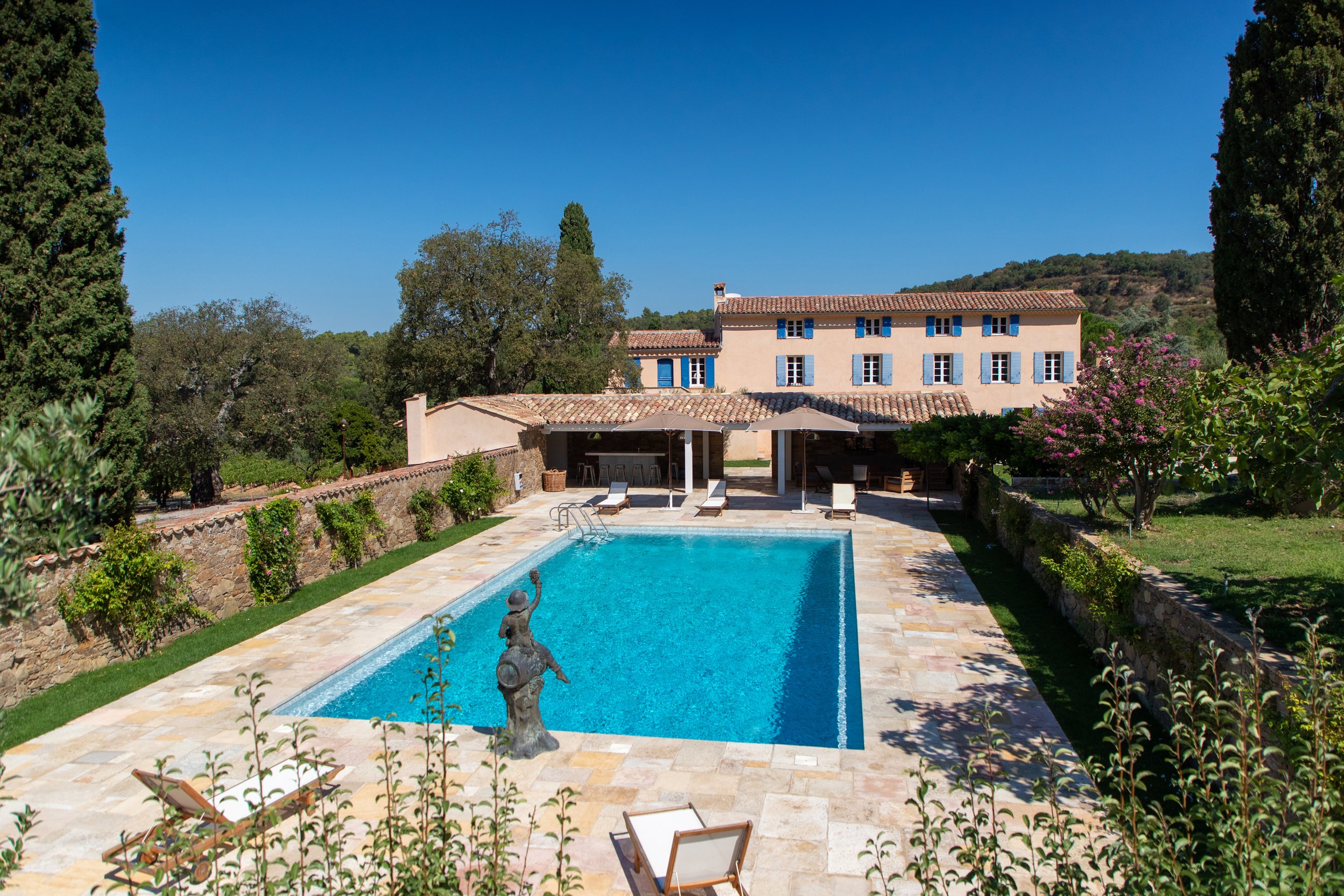
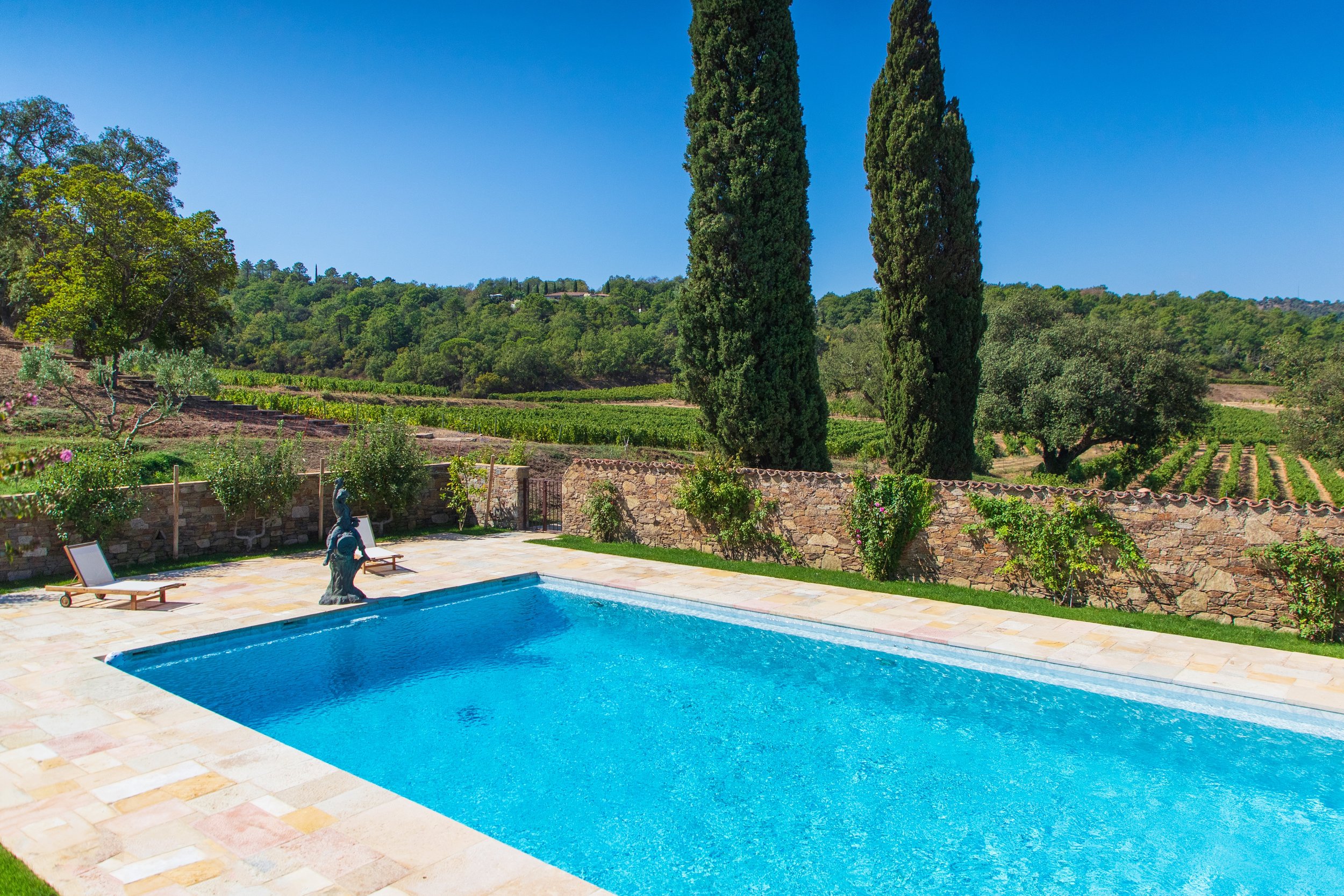
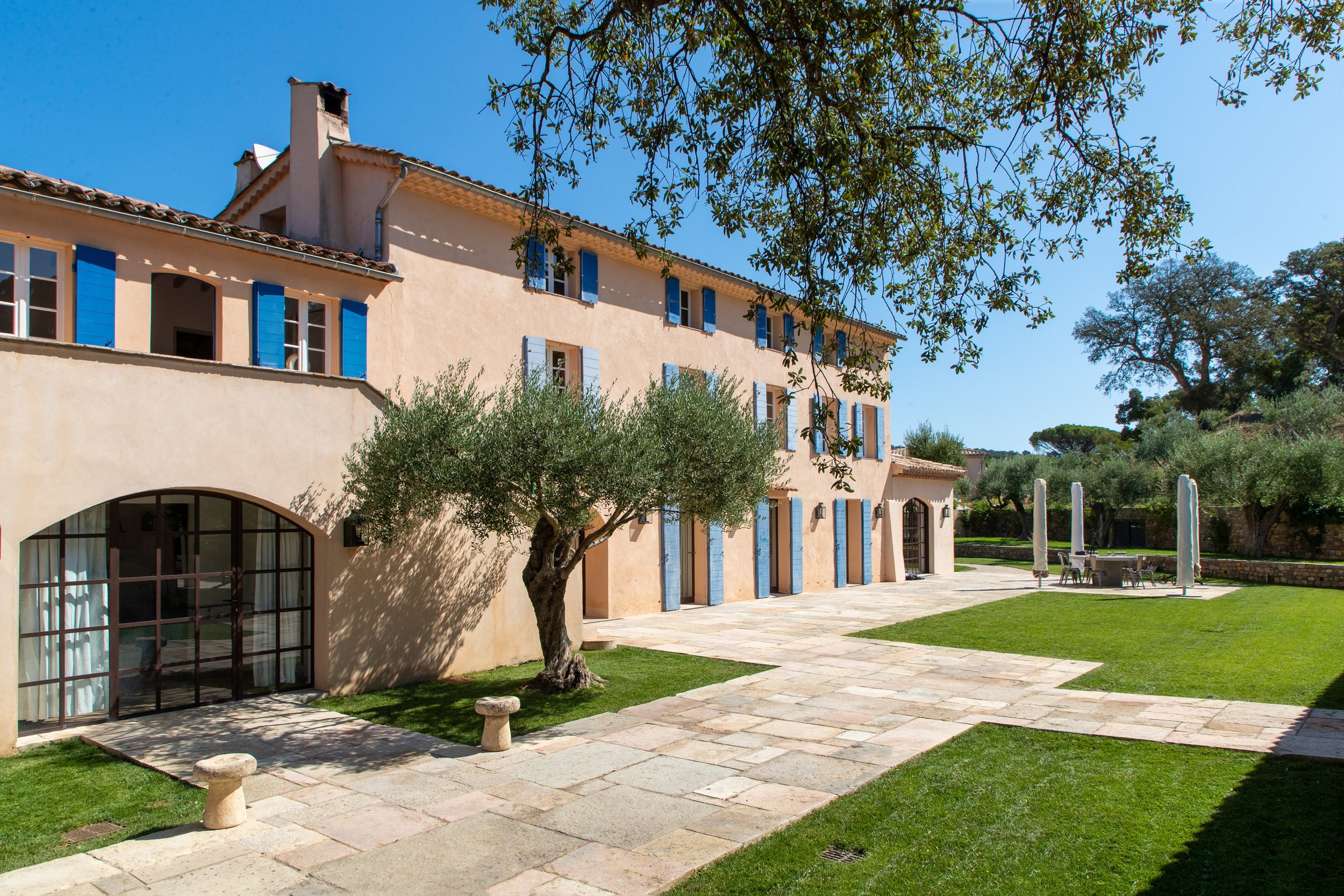
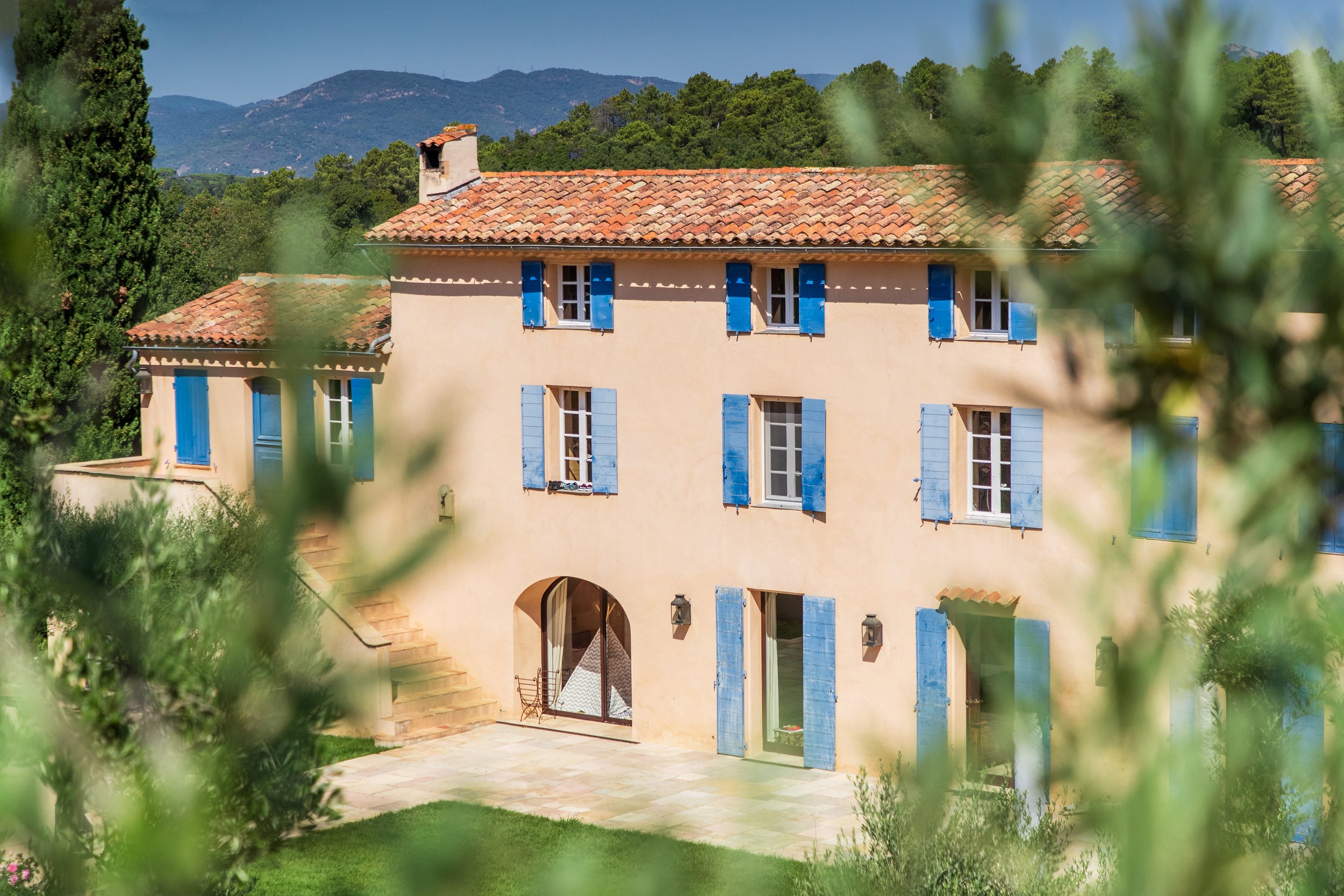
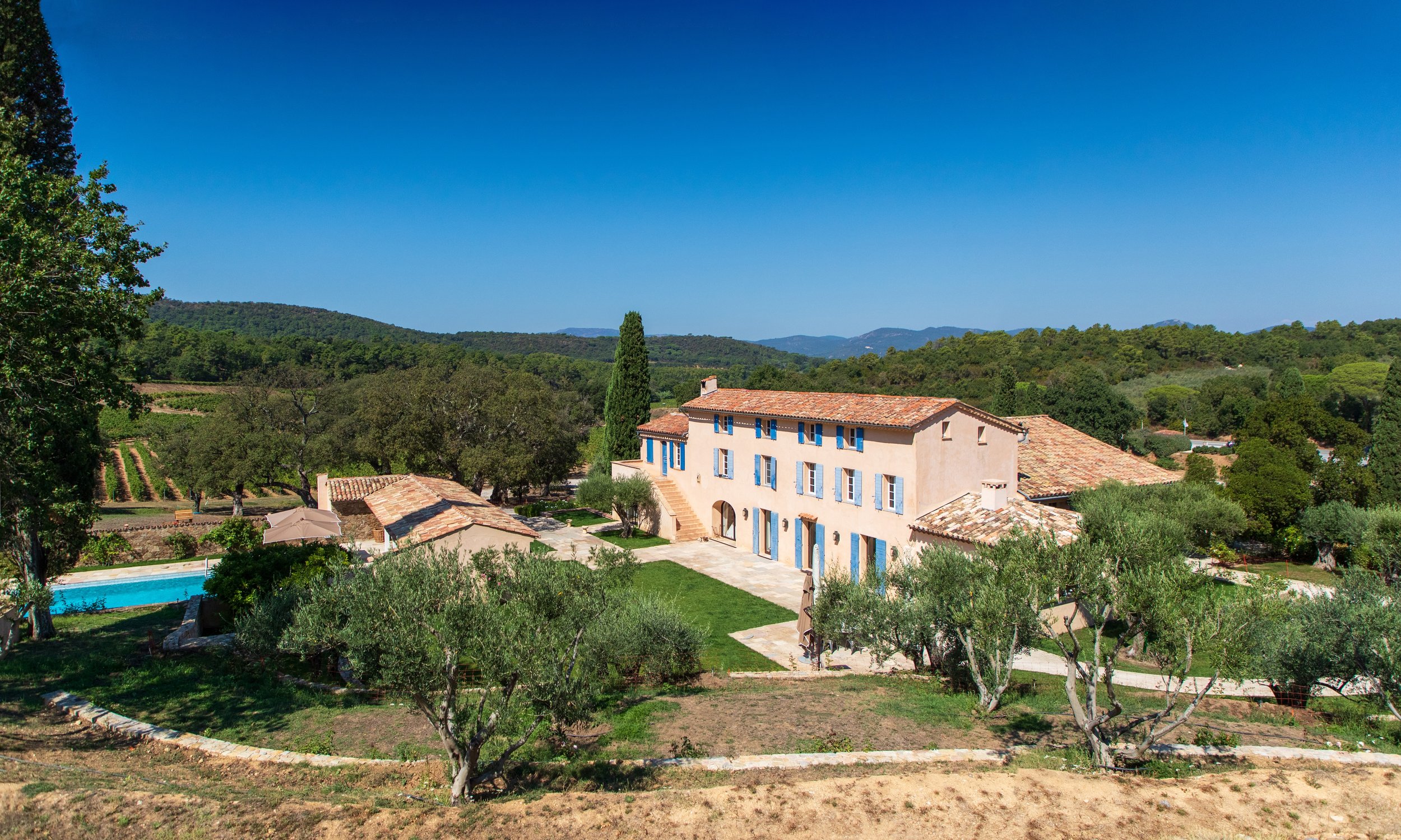
La Bastide is a unique domain nestled in the heart of a lush 230-hectare wine estate, just a 15-minute drive from St Tropez.

This beautiful Provencal Bastide consists of the main house, a small house and an independent apartment, which can be rented together or separately. The Bastide has sole use of the swimming pool when rented on its own.

Close to nature, you can combine oenological discoveries coupled with the beauty of the landscapes, while discovering the most beautiful treasures of the region, just a few minutes from the picturesque villages of Gassin & Ramatuelle, the beaches of Pampelonne and mythical Saint-Tropez.

There is accommodation for up to twenty guests when the whole estate is occupied and there is a private helipad on site too.  Concierge and maid service is included and a Chef and Butler are available on request.

La Bastide

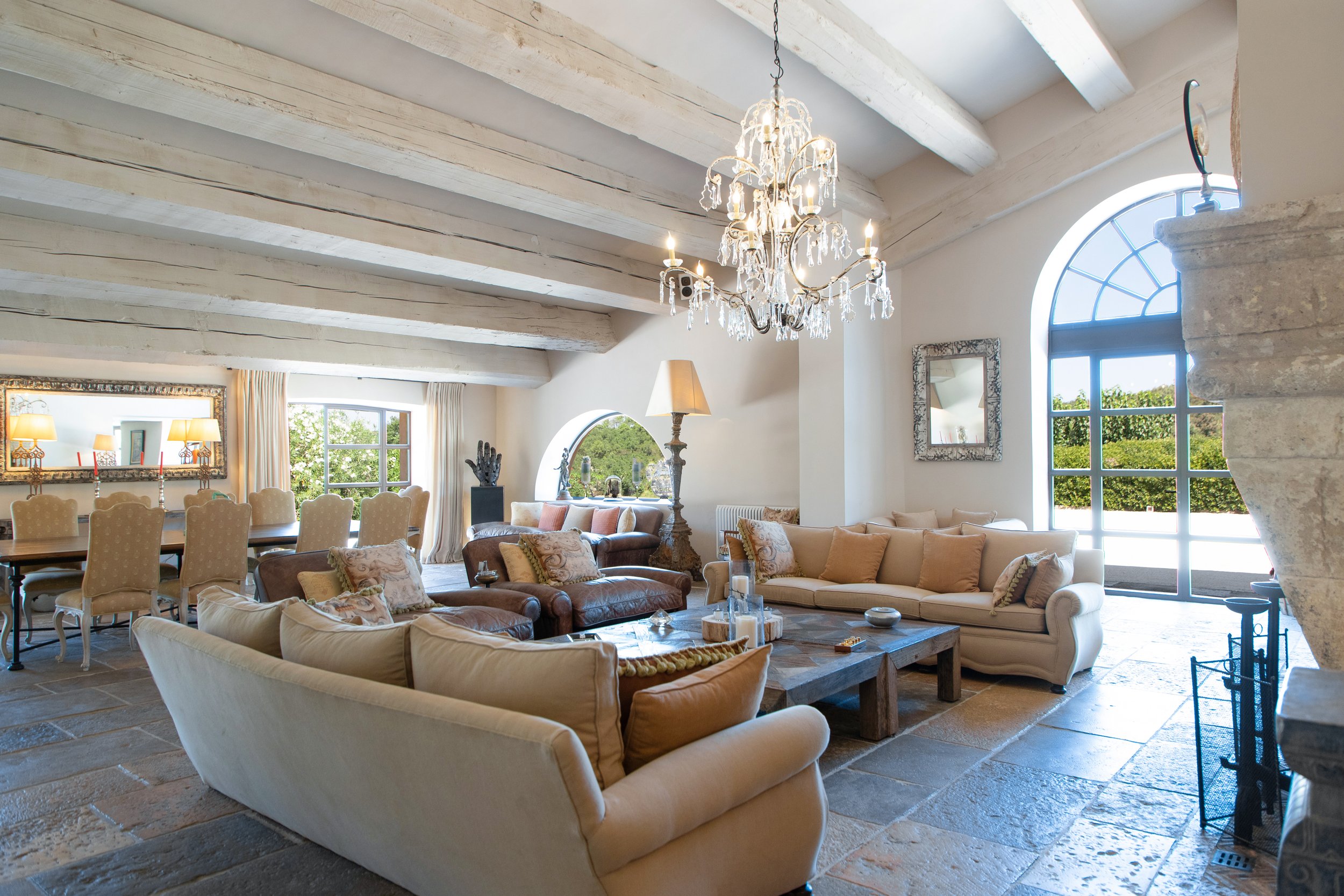
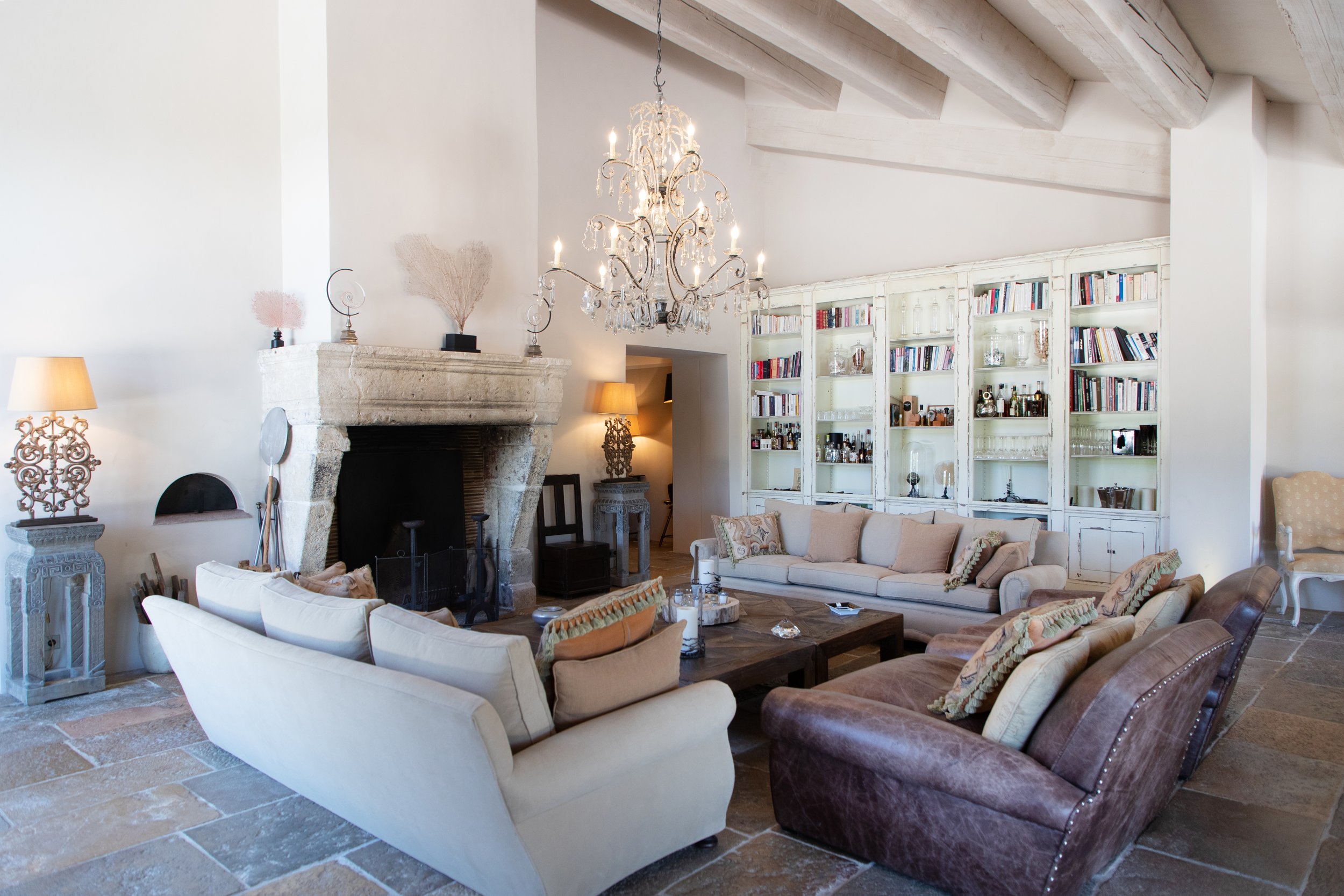
The ground floor has an open-plan dining room, kitchen and living room with a fireplace. On the other side of the property, with large bay windows overlooking the wine estate, there is a spacious lounge with fireplace and bread oven, seating and a large dining table. There is also an office, cellar, a double bedroom with an en-suite shower room and independent access suitable for disabled persons, and a kitchenette.

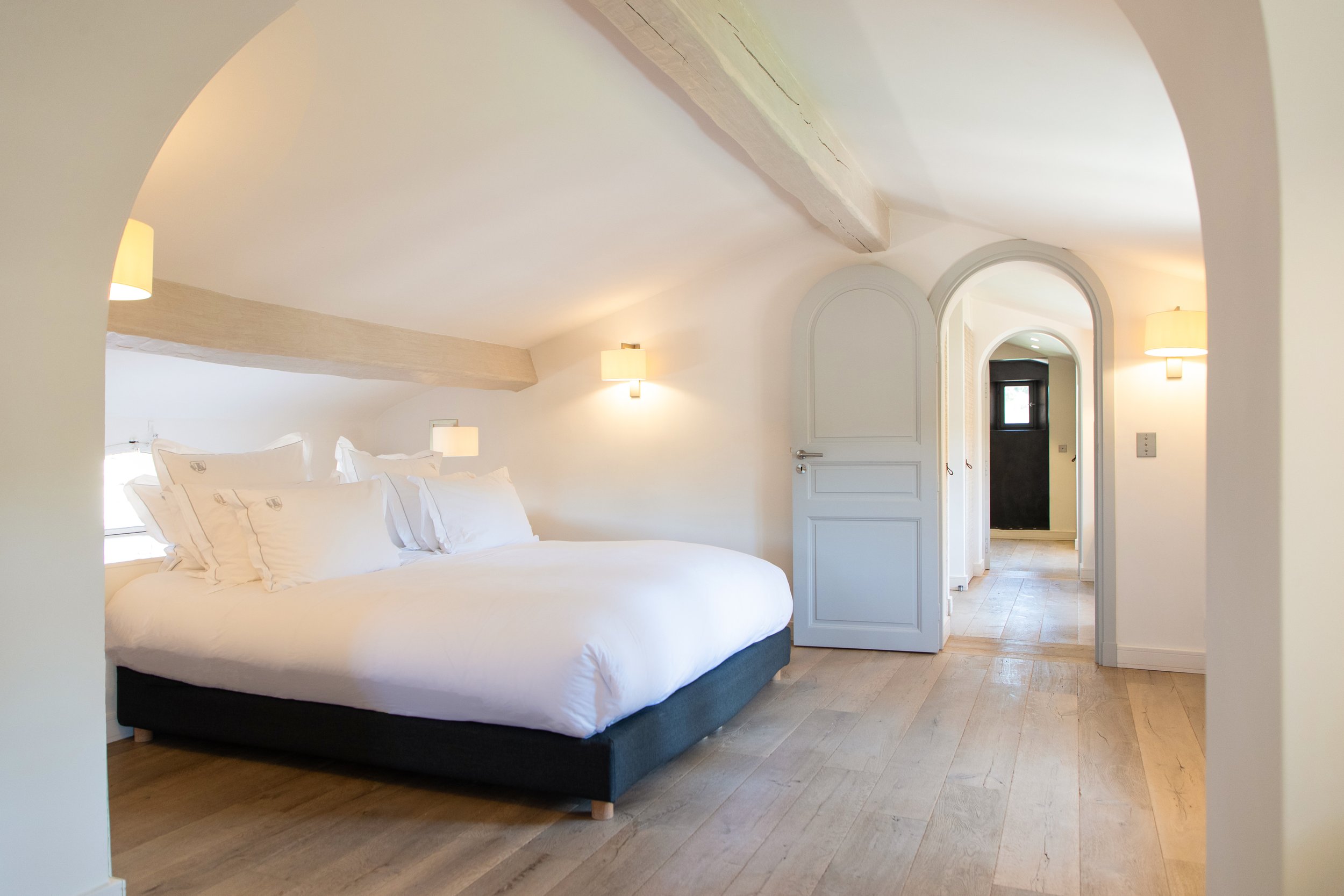
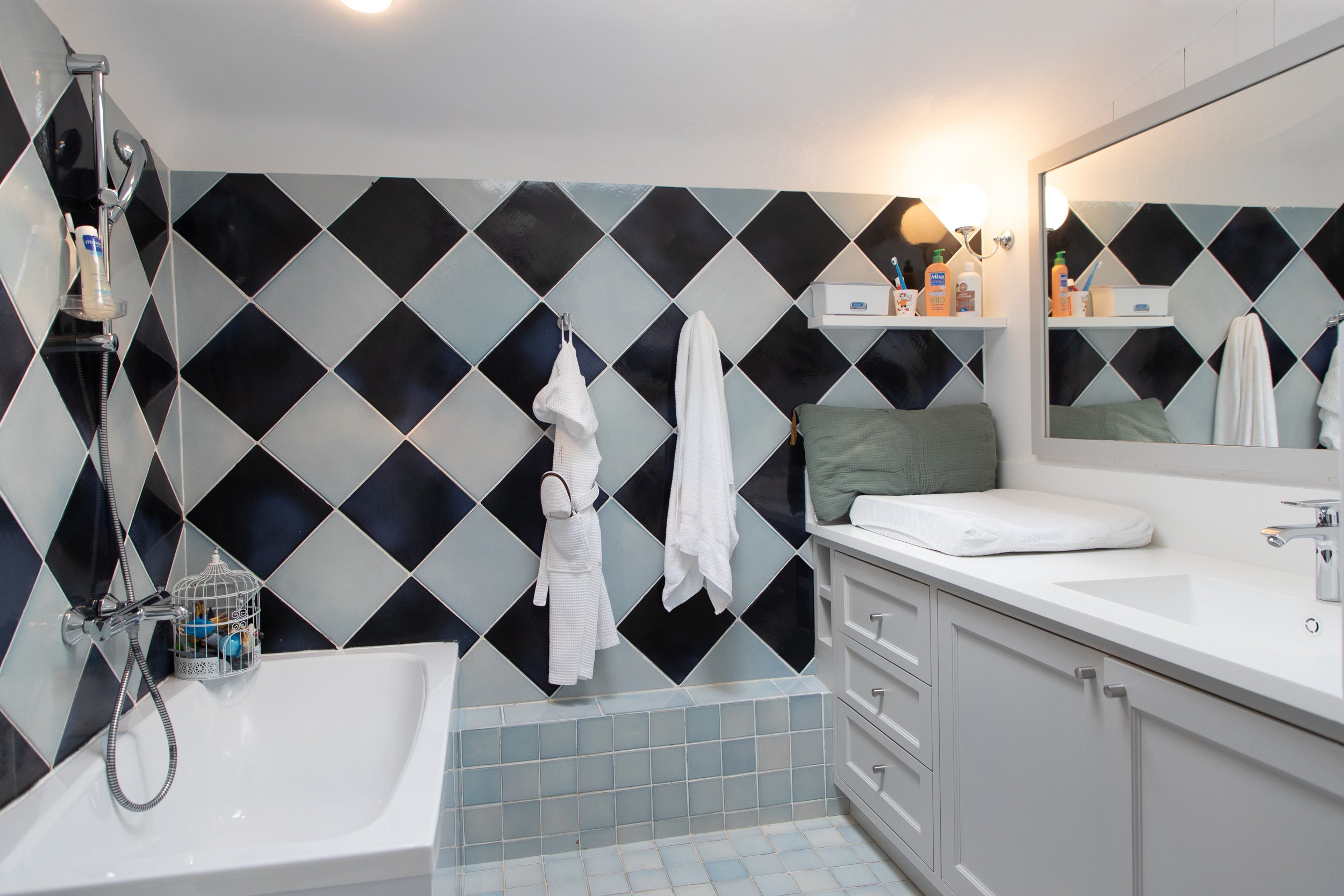
On the first floor, there are four double bedrooms with en-suite shower, one with independent access, and a laundry. The second floor has a Master bedroom with en-suite shower and dressing room.

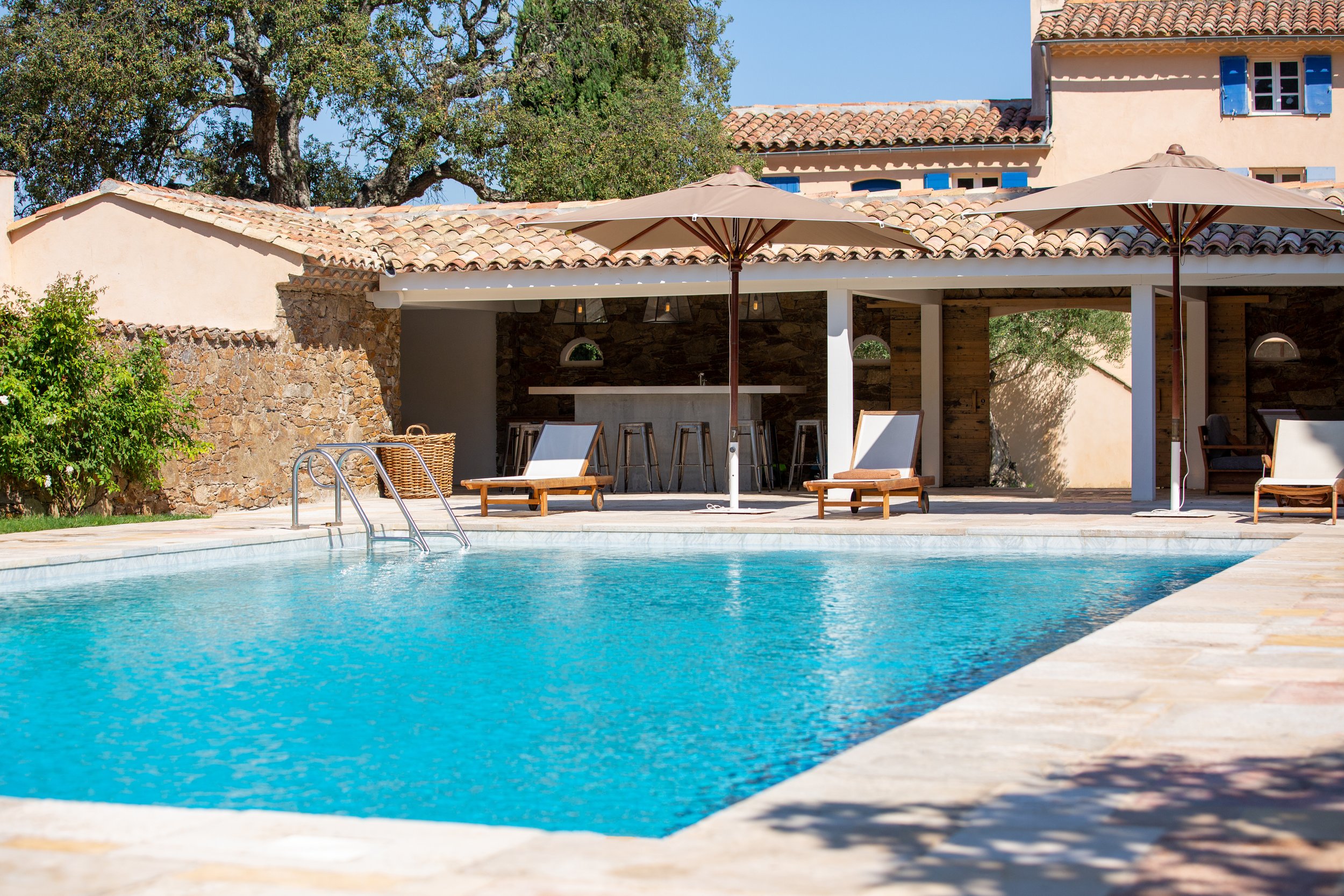
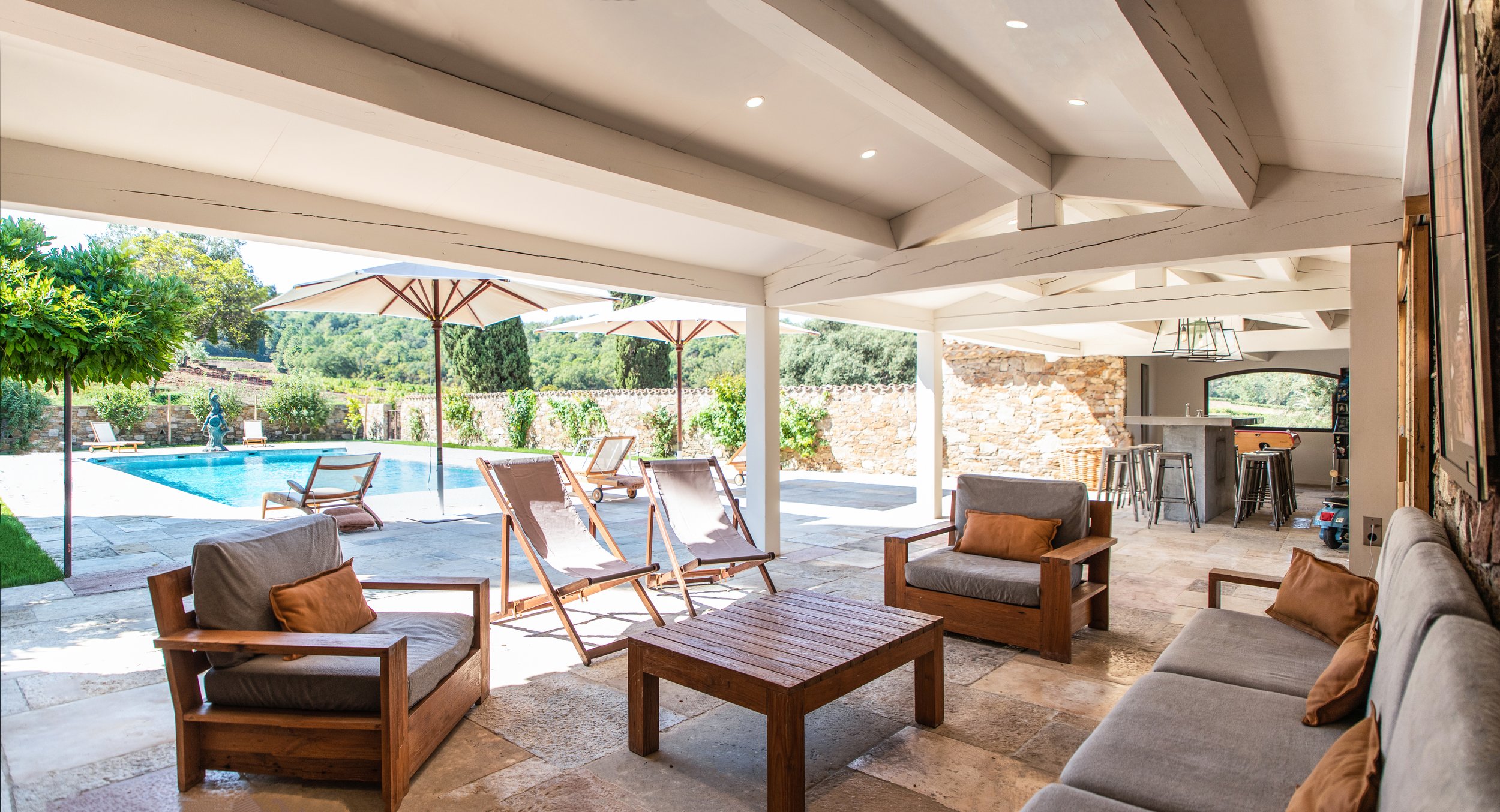
There is also an independent pool house with a sitting area and dining bar, a small kitchen with a hob, fridge and ice-making machine. At the lower level, there is a shower room, changing room, WC and sauna. The main house accommodates up to 12 guests

The Guest House

This consists of two suites with a bathroom, an open-plan kitchen, living room equipped with a flat-screen TV and WIFI. The house has a separate terrace and garden. Suitable for 4 guests.

The Apartment

The separate apartment consists of two bedrooms with king king-size bed, flat-screen TV and high-speed WI-FI. Two bathrooms with a walk-in shower and toilet. There is an open-plan living room and TV area, with a fully equipped kitchen. The outdoor terrace is furnished with a table and chairs for lunch and dinner al fresco. Garden area with loungers.  Maximum occupancy 4 guests.

When you book your stay with us, no request is too extravagant. La Bastide - St Tropez Luxury exemplifies our commitment to delivering the same lavish lifestyle service in all our destinations.

Website