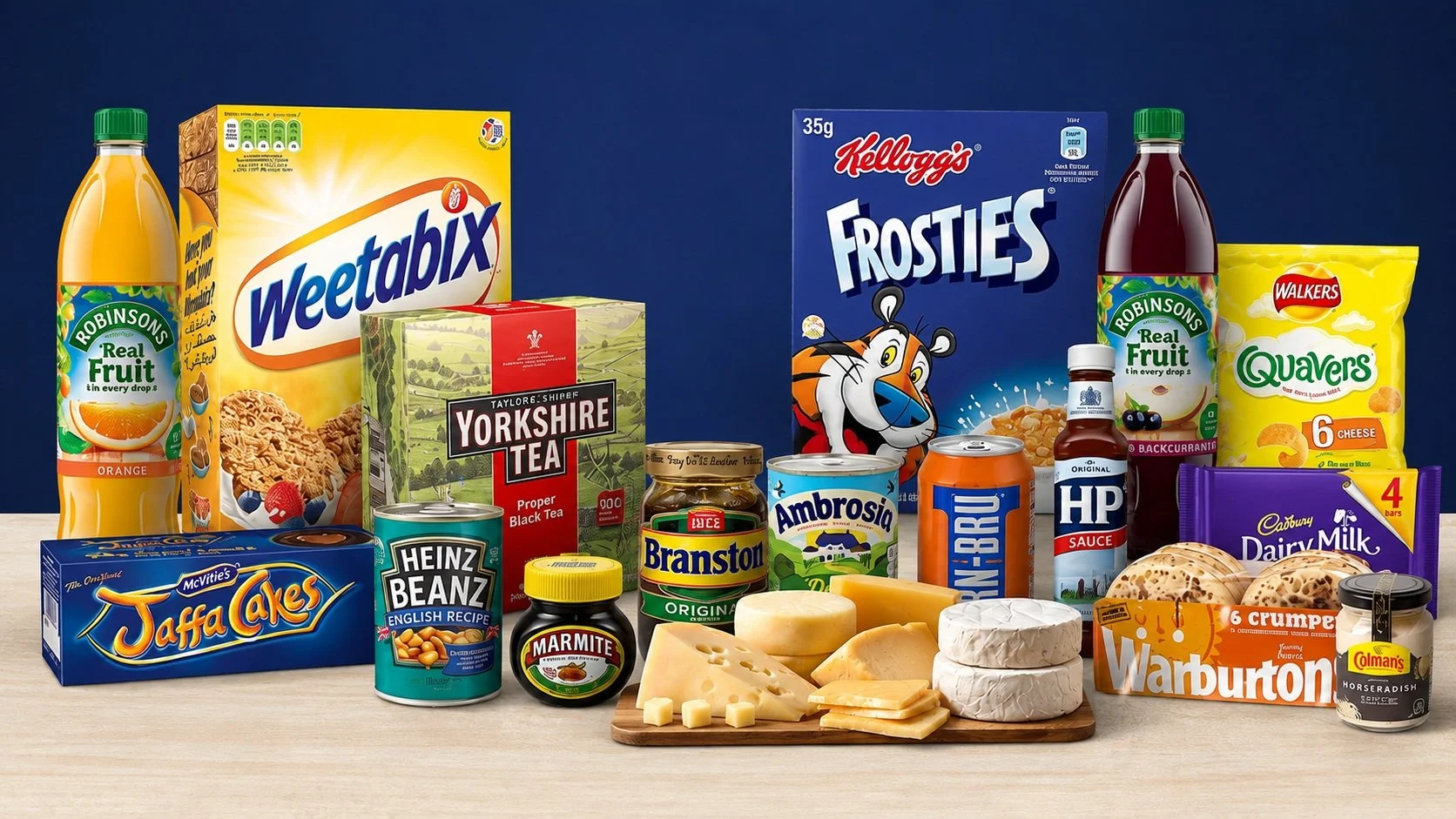
Rule 1: The Impression Has Already Happened
By the time someone opens your website, steps into your space, or sees your packaging, the decision is already forming. Not consciously but instinctively. Within the first few seconds, the brain is working rapidly to process visual and emotional cues.
Research in neuroscience shows that we form judgments in as little as 50 milliseconds. In those first moments, the brain is scanning for cues: Do I trust this? Have I seen something like this before? Is it coherent, confident, intentional? It’s searching for visual consistency, tonal alignment, and subtle markers of status or uncertainty. And once that impression is formed, the rest of the experience is filtered through it - which means even the most perfect product, message, or pitch is now being judged against a silent, automatic conclusion the client doesn’t even know they’ve made.
Every element, from typography to tone of voice, either builds trust or erodes it.
This is why luxury brands obsess over spacing, color tone, loading speed, and the shape of a button. Why the tone of an email, the name of a PDF, or the weight of a business card still matters. Because to the right client, everything counts.It’s a proof you operate at their level.
Rule 2: You Confuse, You Lose
Unclear brands get treated with hesitation. When someone can’t immediately understand what you offer, who it’s for, and why it’s relevant to them, they disconnect.
In today’s world, the brain is processing more information than it was ever designed to handle. We’re exposed to thousands of brand messages per day - most of them forgotten instantly. To cope, the mind defaults to speed: scanning, categorizing, eliminating. And in that rush, anything unclear is perceived as a threat to time, attention, or decision-making.
The more effort it takes to understand you, the more mentally expensive you become. And the second-guessing already costs you the sale.
Rule 3: Don’t be the Hero
One of the most common mistakes I see is assuming people care about your story more than their own. The truth is, we move through the world constantly filtering: Does this help me become who I want to be? Does it meet the standard I operate at? Can I trust this without needing to ask follow-up questions?
Whether someone is choosing a hotel, a development partner, or a private chef, they’re looking for something that confirms who they believe they are, or who they’re becoming. In practice, this means most brands talk too much about themselves and not enough about what matters to the person deciding.
It’s why I see developers leading with their company history instead of the vision behind the project. Or restaurateurs waxing poetic about “family recipes” instead of showing what makes this space worth booking a week in advance.
The mistake isn’t talking about yourself - the mistake is assuming that your journey builds trust.
At this level, trust is built by relevance, clarity, and how well the brand reflects the expectations of the person you’re speaking to. You don’t need to be more impressive, you need to position your offer in a way that makes sense to the exact kind of person you're trying to reach.
The Psychology Behind Being Chosen
Subtle signs of misalignment are processed instantly: a dated font, a clunky menu, a tone of voice that feels off. These cues don’t necessarily say “no”, but they say “not for me.”
At the top level, there’s no such thing as a neutral impression. Everything either strengthens your position or weakens it. Studies in cognitive psychology show that once a first impression is made, people unconsciously seek out information that confirms it - a phenomenon known as confirmation bias. Which means if something small casts doubt early on, the brain will continue scanning for more reasons not to trust you. The opposite is also true: if the brand cues signal competence and clarity from the start, everything that follows is seen in a better light.
So how do you shift the signal? You get forensic. You walk through your brand as if you had never seen it before and you question everything. Does the homepage match the quality of the offer? Does your tone of voice match the sophistication of the person reading it?
Show Them You’ve Done This Before
I’ve worked with founders who spare no expense on travel or dinner, but hesitate when it comes to the assets that carry their vision. Presentation tells the world what level you’re playing at and how far you think you can go. So if you’re not willing to invest in your own vision, why should anyone else? High-value clients are scanning for evidence that you’ve walked this road before and that you did it well. Confidence, precision, proof that you know the terrain.
Status Alignment
Power in branding is about what happens when every touchpoint - visual, verbal, spatial - carries the same confident subtext: We know who we are. And we’re not for everyone. In psychology, this is called status alignment - the principle that we instinctively gravitate toward things that reflect our perceived level of value. The brain doesn’t just process branding as information; it processes it as social position. That means every detail - color, spacing, tone, material, cadence - becomes a cue. These cues are subtle, but powerful. They tell someone whether this brand belongs in their world, or if it doesn’t.
What’s interesting is that high-status clients rarely articulate this. They don’t need to. The decision happens quickly, and mostly unconsciously. The brand either mirrors the level they live at, or it doesn’t, and this is why even well-made brands can still underperform. Not because the product lacks quality, but because the quality isn’t legible to the kind of person who makes decisions. Alignment is about being calibrated, so when your brand sits naturally in the world your clients already know, trust builds faster.
How to Tell if Your Brand Holds Power
Start your own little audit and focus on the first things a client sees. Your homepage, your Instagram, your proposal. Open your website and pretend it isn’t yours. Would you trust this brand with €80K of your money or reputation? Pick five brand assets (your IG bio, your last email, your business card, your packaging, your invoice). Do they all speak the same language? Read the first three sentences a new client sees. Are they clear, confident, and calibrated to the level of client you want?
Once your brand looks the part, something else happens, too.
You stop having to explain yourself. You stop defending your pricing. You stop attracting the wrong conversations. A powerful brand gives you back your time, your positioning, and your energy. And the more aligned your brand becomes, the more ambitious your future starts to look - because it starts attracting the kind of people, projects, and decisions that pull you forward.
Monika Lepova, founder of Lemon Studio Design
I created my studio with one purpose: to build brands that are taken seriously by the right people in the right rooms. And I don’t believe most luxury brands in Monaco are actually speaking to the right kind of wealth anymore. They rely on tired aesthetics and generic messaging, hoping it will be enough. What we do isn’t surface work and it’s never just about making things prettier. It’s about identifying where the brand falls short of the level it’s trying to reach, and correcting that with clarity and intent. Because if your brand doesn’t reflect the level you’re aiming for, people will assume you’re not ready for it yet.
Website
Instagram
Email